UK Fire Chiefs Sound Alarm Over 'New Wildfire Era' as Britain Faces Growing Blaze Risk
Fire services call for urgent action as wildfires become a year-round threat
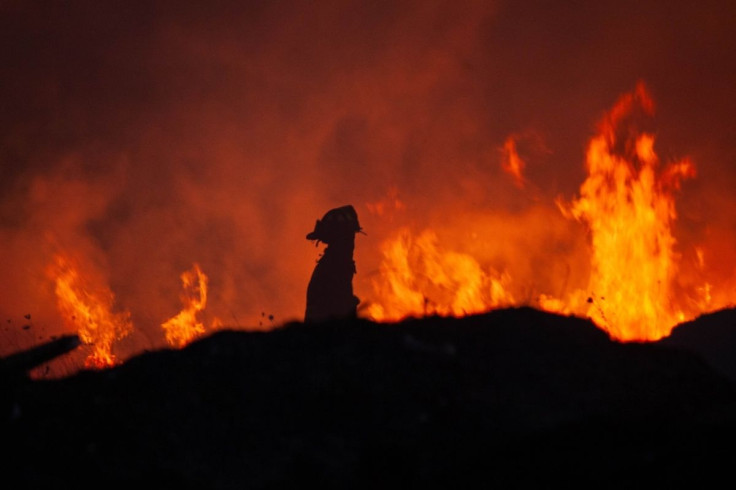
Fire chiefs and frontline firefighters have warned that Britain is entering a 'new wildfire era' as prolonged drought conditions, repeated heatwaves and increasingly severe blazes place growing pressure on emergency services across the country.
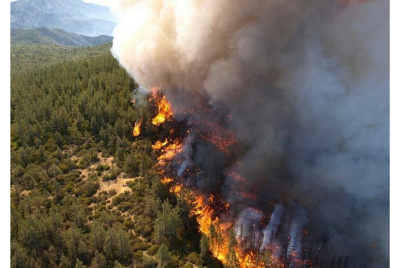
The warning comes as firefighters battle major wildfires in several regions, including a significant blaze in Hampshire's New Forest, where more than 120 firefighters have been deployed to contain flames threatening rare habitats and wildlife. The Fire Brigades Union (FBU) has described strengthening the UK's wildfire response as a 'national priority', arguing that fire services must be better equipped to deal with a changing climate.
The concern follows one of the hottest and driest periods on record for parts of the UK. Nearly three-quarters of England is now officially in drought, while temperatures are forecast to reach as high as 36C during the country's latest heatwave.
Firefighters Face Rising Pressure
Emergency services say wildfires are no longer isolated summer incidents but an increasingly frequent challenge requiring year-round preparation.
According to wildfire monitoring data, fire and rescue services in England and Wales have already responded to hundreds of wildfires in 2026, with many occurring during July alone. Fire authorities say the scale and frequency of these incidents are placing significant strain on personnel, equipment and resources.
The London Fire Brigade and several regional services have reported increased demand as crews respond to blazes affecting woodland, heathland and rural communities. Fire chiefs argue that many services were originally designed to tackle structural fires rather than prolonged wildfire operations that can last for days.
Heatwaves and Drought Fuel Fire Risk
Experts say the combination of extreme heat and prolonged dry weather has created ideal conditions for fast-moving fires.
Large parts of England have experienced drought conditions after months of below-average rainfall, leaving vegetation exceptionally dry and vulnerable to ignition. The Met Office has issued heat-health alerts covering much of the country as temperatures continue to rise.
The National Fire Chiefs Council has repeatedly warned that successive heatwaves increase the likelihood of rapidly spreading wildfires, particularly in grasslands, moorlands and forests.
The current conditions have fuelled fears that Britain could face wildfire seasons more commonly associated with parts of southern Europe.
In the last 48 hours, we've seen major wildfires in Nottinghamshire, Hampshire, South Wales, and Suffolk.
— Fire Brigades Union (@fbunational) August 10, 2026
This is not bad luck. This is climate change, and firefighters are on the frontline. pic.twitter.com/EwgrEIRQuH
New Forest Blaze Highlights Growing Threat
The wildfire burning in the New Forest has become one of the clearest examples of the challenges now confronting emergency responders.
The blaze has threatened internationally important heathland and habitats that support rare reptiles, birds and insects. Conservation groups have warned that environmental recovery could take years, with some species facing long-term habitat disruption.
Firefighters have spent days tackling the incident, supported by specialist equipment and aerial monitoring as they work to prevent further spread. The operation illustrates how modern wildfires can demand extensive resources over prolonged periods.
Calls for Greater Investment
As Britain experiences another intense heatwave, fire service leaders are urging policymakers to recognise wildfires as a long-term national resilience issue rather than a seasonal problem.
The FBU and fire chiefs have called for increased funding, improved equipment, expanded training and stronger climate adaptation measures to help communities cope with future risks.
With drought conditions worsening and temperatures continuing to climb, many firefighters believe the UK must adapt quickly to a fundamentally different fire landscape. Their message is clear: wildfires are no longer a rare occurrence in Britain but an increasingly significant threat that is likely to shape the country's emergency response for years to come.
© Copyright IBTimes 2026. All rights reserved.
- Recommended For You