UK's Shoplifting Wave Finally Slowing? Retailers Spot Surprising New Trend
New data suggests a potential easing in retail crime, but challenges remain.
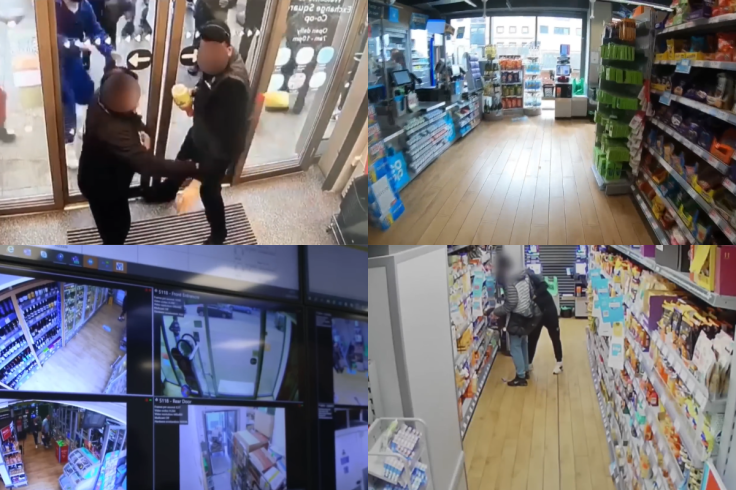
Signs are emerging that the UK's prolonged surge in retail crime may finally be easing, according to industry data and reports from major retailers.
After years of rising theft, abuse and violent incidents in shops across Britain, new figures suggest a modest improvement in some areas, even as the overall problem remains severe and continues to worry businesses and workers.
Early Signs The Crime Surge May Be Slowing
Retailers have reported a decline in the number of violent and abusive incidents directed at shop staff, offering the first indication that the wave of retail crime might be stabilising. According to figures from the British Retail Consortium cited in reporting on the issue, reported incidents fell by about one fifth to an average of roughly 1,600 a day over the past year.
Industry leaders welcome this reduction with caution as they believe that the downtrend might be a result of increased focus on security measures and growing attention from police and policymakers.
Retailers warn, however, that the numbers are still enormous compared to the time before the pandemic and continue to exert catastrophic impacts on the workforce and the functioning of stores.
Practically, it has resulted in thousands of incidents happening every day across supermarkets, high street chains, and smaller independent shops.
Retail Crime Still A Major Problem
Despite the slight improvement, observers emphasise the continued prevalence of retail crime in the UK. Data available in the industry indicates that even today, shoplifting and organised theft cost businesses hundreds of millions of pounds every year, and criminal groups tend to hit stores systematically.
The magnitude of the problem is high. Industry organisations have mentioned surveys that claim theft cases are estimated to be in the millions every year, whereas acts of violence against employees, such as threats and weapon-related cases, are seen as frequent occurrences.
The emotional impact on frontline employees has been drastic, according to unions of retail workers and business groups. Most employees complain about feeling unsafe or unassisted when they are going to face shoplifters, especially in stores where the number of employees is low or when the employees are operating on a late shift.
Why The Numbers May Be Improving

Several factors may be contributing to the reported reduction in violent events. Retailers have also been allocating more money to security measures, including better CCTV systems, electronic tagging, and facial recognition capabilities to curb re-offenders.
Higher levels of public awareness campaigns and stress on law enforcement agencies to take the issue of retail crime more seriously could also be a contributing factor.
In some regions, targeted police operations against organised theft groups have resulted in arrests and disruption of criminal networks.
The other aspect that analysts point out is the enhanced reporting and monitoring by the retailers themselves, allowing companies to easily track crime patterns and deploy security resources where they are most needed.
Government Response And Proposed Reforms
The UK government has also promised even more serious steps to curb retail crime, as pressure builds on the government from businesses and trade organisations. Some proposed reforms include the creation of a specific offence for assaulting retail workers and changes to how lower value theft cases are prosecuted.
There are also plans to have a greater presence of the police and to increase the resources of the neighbourhood policing in an effort to prevent repeat offenders and facilitate faster response to the incidents reported by retailers.
According to the leaders in the retail industry, such actions may assist in restoring the confidence of workers who have gone through years of increasing abuse and violence as they carry out their daily business.
A Turning Point Or Just A Pause?
Although the recent drop offers some optimism, many experts warn that it may be too early to declare the crisis over. The level of retail crime remains significantly higher than historical averages, and such economic factors as the cost of living still affect the rates of theft.
Analysts are also concerned that organised criminal gangs will not simply disappear but rather adapt to new security measures. Subsequently, retailers will keep spending a lot on loss prevention technology and staff safety programmes in the years to come.
In the meantime, the emerging data suggests the UK's retail crime wave may be losing momentum, but the industry is far from declaring victory. Businesses, policymakers and law enforcement agencies appear united in one conclusion: sustained action will be needed to ensure that the recent improvement marks a genuine turning point rather than a temporary lull in a long running problem.
© Copyright IBTimes 2026. All rights reserved.
- MOST POPULAR IN National