

Who Is Ulrich Siegmund? 35-Year-Old AfD Leader Who Used East German Mopeds to Win Voters
Ulrich Siegmund's campaign blended nostalgia and modern tactics to secure a 43.8% vote share
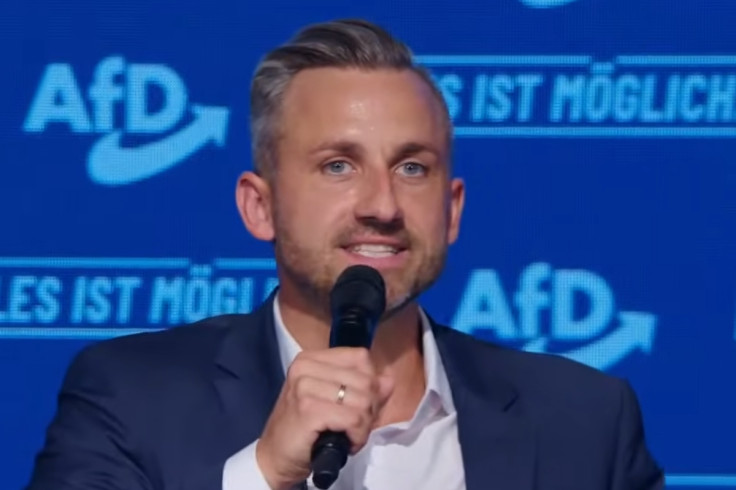
Ulrich Siegmund has led Germany's far-right Alternative for Germany's (AfD) campaign to a historic victory in Saxony-Anhalt, winning 43.8 per cent of the vote in the state election on 6 September 2026. The 35-year-old businessman has spent a decade in state politics and built a campaign around social media, personal appearances and nostalgia for former East Germany.
Siegmund's approachable public image has helped him present a friendlier face for a party known for its hardline positions on immigration and other issues. Among his most recognisable campaign symbols were Simson mopeds, East German-made vehicles that he rode at events and used to connect his political message with regional identity and memories of life before reunification.
The AfD won 39 of the 83 seats in the state parliament, leaving it three short of an outright majority. Other major parties have ruled out cooperation, meaning Siegmund cannot form a government alone. The result nevertheless puts him at the centre of an attempt to bring the AfD to power at state level for the first time since the Second World War.
From Businessman to AfD Leader
Siegmund was born in Havelberg in October 1990, shortly after German reunification. He trained as a wholesale and foreign trade merchant before studying business administration and economic psychology, and later became a self-employed businessman.
He was previously a member of the centre-right Christian Democratic Union before joining the AfD in 2014. He entered the Saxony-Anhalt state parliament in 2016 and became co-chair of the AfD parliamentary group in 2022. He is also active in local politics as a member of the Tangermünde city council and Stendal district council.
His profile grew during the coronavirus pandemic, when he used social media to criticise government restrictions. During the 2026 campaign, he continued to rely on short videos, rallies and direct contact with voters, attracting supporters who queued for photographs and meetings.
Siegmund also embraced attention from Der Spiegel, which described him on its August cover under the headline 'Germany's most dangerous man'. He signed copies of the magazine for supporters at campaign events, turning criticism into part of his campaign image.
Simson Mopeds Became a Campaign Symbol
Simson mopeds became a recurring feature of Siegmund's campaign, including his arrival at a polling station with his wife on election day. Manufactured in the former East Germany, the vehicles remain strongly associated with the region's past.
The campaign used the mopeds to combine Siegmund's younger, social-media-focused image with symbols familiar to voters who have memories of East Germany. The approach formed part of a broader appeal to regional identity and nostalgia.
The Simson campaign also attracted criticism from descendants of the Jewish Simson family. Their ancestors owned the company before its assets were expropriated under Nazi rule and the family later fled Germany.
What Would an AfD Government Do?
Siegmund's personable campaign style contrasts with the policies in the AfD's 100-day programme for Saxony-Anhalt.
The plan calls for 'deportations from the first minute', additional deportation facilities and separate classes for some children of asylum seekers. It also proposes expanded compulsory work programmes for asylum seekers, a review of the state's Covid-19 response and an end to public funding for political foundations.
Danke Sachsen-Anhalt! Danke Deutschland! Wir haben Geschichte geschrieben! pic.twitter.com/d2CCYQbbiQ
— Ulrich Siegmund (@UlrichSiegmund) September 6, 2026
On public broadcasting, the party proposes withdrawing from the agreement governing Germany's public media system as a first step towards abolishing the €18.36 monthly broadcasting fee and replacing it with tax funding.
Siegmund now faces the challenge of turning the AfD's electoral lead into governing power. The CDU won 17.2 per cent and 15 seats but has ruled out cooperation with the AfD, leaving the party short of the support needed to govern alone.
© Copyright IBTimes 2026. All rights reserved.