

Trump Admin Suspends Chinese Visa-Free Entry to US Islands Over Birth Tourism and Security Concerns
Chinese visitors accounted for 32% of August arrivals as the Marianas continued rebuilding its international air links

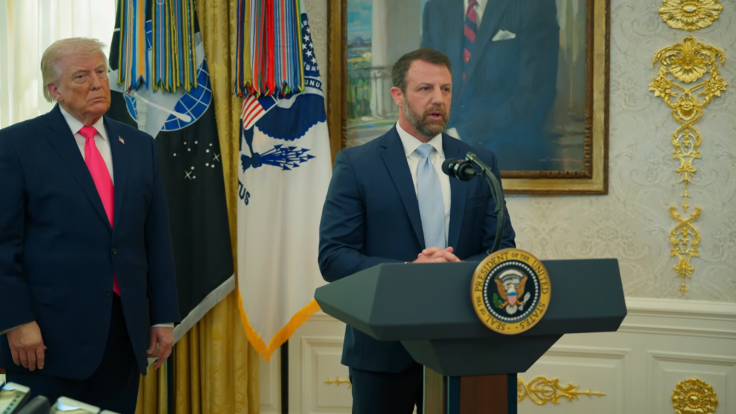
The US Department of Homeland Security will suspend a visa-free travel programme for eligible Chinese nationals visiting the Northern Mariana Islands from 30 October, citing concerns about birth tourism, immigration enforcement and potential espionage near US military installations.
The suspension affects travellers using the Economic Vitality and Security Travel Authorisation Programme (EVS-TAP), which more than 3,000 Chinese nationals used in the 2025 fiscal year, according to a Federal Register notice published on 27 October. The decision comes as the US commonwealth in the western Pacific works to rebuild tourism and restore international air connections.
DHS Suspends Programme Pending Security Review
The notice, signed by Homeland Security Secretary Markwayne Mullin, takes effect at 2pm Eastern Daylight Time on 30 October, equivalent to 4am on 31 October in the Northern Mariana Islands. EVS-TAP became operational on 20 February 2025, allowing eligible, pre-screened Chinese nationals to visit the territory for business or tourism without a US visa, generally for stays of up to 14 days.
The authorisation was restricted to the Northern Mariana Islands and did not permit onward travel to Guam, the US mainland or other US locations. Existing authorisations will be revoked, although Chinese nationals already admitted and legally present when the suspension takes effect may complete their authorised stays. DHS will review the programme in consultation with the secretaries of state and the interior. The notice sets no deadline for completing the review or restoring the scheme.
Chinese Visitors Account for 32% of August Arrivals
The Marianas Visitors Authority recorded 5,001 visitor arrivals in August 2026, down 61% from 12,690 in the same month a year earlier. Arrivals from China totalled 1,605, accounting for about 32% of the monthly figure. The data followed the resumption of Hong Kong Airlines' Hong Kong-Saipan service on 12 July, as the territory continued rebuilding its international air links.
Republican CNMI Delegate Kimberlyn King-Hinds warned that a prolonged suspension could affect local businesses, workers, airlines and travel arrangements. She said Mullin had assured her that DHS would work directly with the territory to address the concerns behind the decision. DHS acknowledged potential economic disruption but said national security, immigration and law-enforcement interests outweighed those concerns.
Tourist Births in Saipan Fell to 58 in 2024
Birth tourism refers to travel undertaken primarily to give birth in another country, often in the hope that the child will acquire citizenship there. The practice has drawn scrutiny in the Northern Mariana Islands, where officials have raised concerns about visitors travelling to give birth.
Data from the Commonwealth Healthcare Corporation, supplied to CBS News by King-Hinds' office, showed that live births to tourists at Saipan's hospital fell from 581 in 2018 to 58 in 2024. Both figures predate EVS-TAP's launch in February 2025. DHS cited birth tourism as a concern in its notice but did not quantify how many births, if any, were attributable to the programme.
DHS Cites Intelligence Risks and Smuggling Cases
The Northern Mariana Islands lie near Guam, a US territory that hosts major American military installations. The US Department of War is restoring Tinian Air Base as part of its military posture in the western Pacific. DHS said visa-exempt travel raised concerns about potential intelligence gathering near sensitive facilities.
The department also cited cases involving Chinese nationals smuggled by boat from the Northern Mariana Islands to Guam, as well as earlier criminal cases linked to a casino operation in Saipan. Republican senators had previously called for an end to the programme over birth tourism and security concerns. The notice cited the cases as part of the government's security rationale but did not claim that visitors using EVS-TAP had engaged in espionage.
King-Hinds Calls for Resolution and Programme Resumption
King-Hinds said her priority was to resolve the concerns raised by federal officials and secure the programme's resumption. She described EVS-TAP as 'suspended, not terminated' and said she had contacted the White House, Mullin and House leadership following the announcement. The administration has not committed to restoring the scheme.
The suspension does not revive the earlier parole policy for Chinese nationals, which ended when EVS-TAP became operational on 20 February 2025. Prospective visitors will generally need an appropriate US non-immigrant visa to travel to the Northern Mariana Islands from the effective date, unless another lawful exception applies. With no review timetable announced, the territory faces continued uncertainty over when, or whether, visa-free access for eligible Chinese visitors will return.
© Copyright IBTimes 2026. All rights reserved.