What Is the 'Cat in the Hat' Trend? Police Warn Parents Over Sinister AI Videos Targeting Schools
Viral AI videos featuring a menacing 'Cat in the Hat' have named real schools and communities
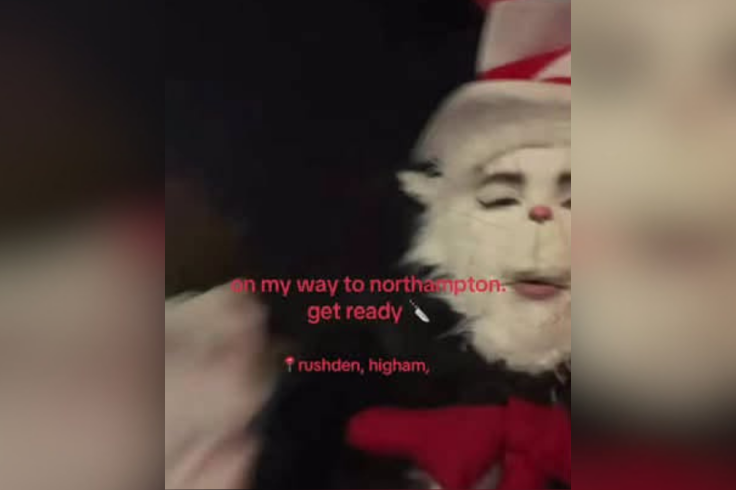
Parents and schools across the US are being warned about a disturbing social media trend in which AI-generated and digitally altered videos turn the Dr Seuss character Cat in the Hat into an apparently menacing figure linked to schools, neighbourhoods and students.
The trend has prompted police investigations, increased security and, in one Kentucky case, a day of cancelled in-person classes.
Authorities have repeatedly stressed that many of the posts are fabricated and that no credible threat has been identified in several incidents, while still taking the content seriously as some posts have named real locations or people.
What Is the 'Cat in the Hat' Trend?
The viral trend centres on the version of the character played by Mike Myers in the 2003 live-action film. Images and videos have been edited or generated with artificial intelligence to show the Cat in the Hat lurking outside homes, appearing near schools or seemingly approaching specific communities.
The trend appears to have first surfaced in Ireland before spreading to parts of the UK, where police reassured residents that supposed sightings were fake.
AI tools made it possible to place the character convincingly into familiar streets and doorbell-camera-style footage, helping the posts appear more realistic.
The trend later spread to the US, where some versions moved beyond horror-themed jokes and included messages suggesting the character was coming to particular schools or towns.
Why Police Are Warning Parents
The concern is not simply that the videos are creepy. Posts naming real schools, students or communities can cause fear and trigger genuine security responses, even when the material is fabricated.
Police and school officials in states including Georgia, Kentucky, Texas and Virginia have issued warnings over the trend, with some schools increasing security.
Assumption High School in Louisville cancelled in-person classes for a day after concerns over posts circulating online.
Authorities have also investigated incidents where young people were suspected of creating or sharing threatening material.
In Grand Junction, Colorado, police said a 14-year-old student was arrested over a social media post linked to the trend that referenced a local middle school, although investigators determined there was no credible threat.
In Kentucky, the Allen County-Scottsville Crime Task Force identified a juvenile linked to a TikTok account being investigated over threatening messages sent to students. Officials later said charges would be filed.
Origins of the Trend
The trend appears to have evolved from unsettling posts using imagery from the 2003 film before expanding into AI-generated and digitally altered 'sightings'. Interest was also fuelled by images of the Cat in the Hat costume worn by Myers after it was put up for auction in August, prompting horror-themed jokes online.
Separately, Dexerto reported that a teenage girl in West Kelowna, British Columbia, said she was chased on 24 August by someone wearing a Cat in the Hat costume. Police reportedly released security footage while trying to identify the person involved.
West Kelowna RCMP are seeking a person in a Cat in the Hat costume who chased a teenage girl about 9 p.m. on Aug. 24 in the 2000-block of Shamrock Drive. pic.twitter.com/UJ3u5qWSmQ
— YEGWAVE (@yegwave) September 9, 2026
The incident appears separate from the AI-generated trend, with police not indicating that the two were connected.
Guidance for Parents and Students
Police and school officials have urged families not to repost or amplify threatening-looking posts. Instead, parents and students should report specific threats to schools or law enforcement and preserve relevant messages or screenshots if requested.
The key distinction is between viral content and a verified threat. Officials have stressed that AI-generated posts do not automatically indicate real-world danger, but content identifying a school, student, or location can still prompt an investigation.
© Copyright IBTimes 2026. All rights reserved.
- Recommended For You