Apple iPhone 17e Launched To Kill Samsung? Here Is How The Android Giant Fares
Apple's latest budget iPhone aims to challenge Android rivals with impressive features.
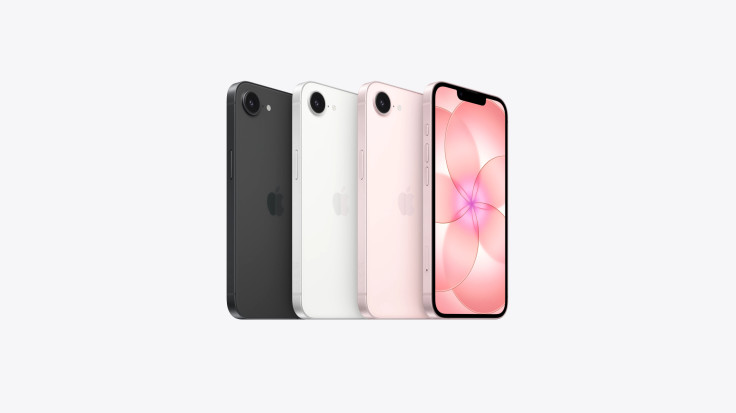
Apple has just taken the wraps off its newest budget-oriented iPhone, the iPhone 17e, aiming to deliver strong performance and value without the premium price tag usually associated with the brand.
Launched in India and several other markets in March 2026, this model sits at the more affordable end of Apple's smartphone lineup with a suite of upgrades that could make it a contender in the mid-range flagship segment.
The iPhone 17e brings a more powerful processor, enhanced wireless charging with MagSafe, improved storage options, and a refined camera system to appeal to smartphone buyers. However, the real question on many smartphone users' minds is whether this new iPhone can truly trouble long-standing Android rivals like Samsung, especially the Samsung Galaxy S25 FE.
Samsung's Fan Edition models have traditionally combined solid performance, attractive features, and strong ecosystem support at competitive prices. With both brands pushing hard in this segment, this latest launch adds fresh fuel to the ongoing iPhone-versus-Android rivalry.
Apple iPhone 17e: Launch and Features
Apple's new iPhone 17e has been designed to deliver a compelling mix of performance and value. Positioned as the most affordable phone in the current iPhone 17 series, it retains a familiar design while bringing several meaningful upgrades under the hood. One of the standout upgrades is the incorporation of the A19 chip, built on advanced 3-nanometre technology.
This silicon boosts processing power and energy efficiency dramatically compared with its predecessor, while enabling smoother performance for demanding tasks, including gaming, multitasking, and advanced on-device Apple Intelligence features. Alongside the A19, Apple's C1X modem offers faster mobile connectivity and improved efficiency.
The iPhone 17e features a 6.1-inch Super Retina XDR OLED display that delivers sharp visuals, rich colours, and high brightness, although it sticks with a 60Hz refresh rate rather than the faster 120Hz panels seen on some rivals. Apple has also enhanced durability with the new Ceramic Shield 2 glass, claiming significantly better scratch resistance than before. Photography and video remain very capable for this class of device.
The rear camera utilises a 48-megapixel Fusion sensor with a 2x optical-quality zoom mode and robust low-light performance. Users can shoot 4K video with Dolby Vision at up to 60 frames per second, while the TrueDepth front camera provides secure Face ID biometric authentication.
Storage has also seen a notable bump, with the base model now offering 256GB of internal space, a significant jump over previous versions. On the battery front, Apple promises up to 26 hours of video playback and supports fast charging over USB-C as well as MagSafe wireless charging up to 15W.
The inclusion of MagSafe opens the door to Apple's extensive ecosystem of magnetic accessories that weren't officially supported on earlier 'e' models. In India, the iPhone 17e's pricing starts at around ₹64,900 (529.46 GBP approx) for the 256GB variant, making it competitive in the premium mid-range segment. Pre-orders began on March 4, with general sales commencing on March 11, 2026.
Can iPhone 17e Kill The Samsung Galaxy S25 FE?
When it comes to taking on Android rivals, the most obvious Samsung competitor in a similar segment is the Samsung Galaxy S25 FE, which has already been on sale for several months. This model continues Samsung's tradition of offering flagship-style hardware and software support at a more accessible price point. The Galaxy S25 FE comes with a larger and higher-refresh display, often featuring a 6.7-inch AMOLED panel with a 120Hz refresh rate.
In terms of camera hardware, Samsung typically equips its FE devices with a triple-lens array, including wide, ultrawide, and telephoto sensors. This setup generally offers greater versatility for a range of shooting scenarios, such as landscape and zoom shots, compared with the single rear camera on the iPhone 17e. However, Apple's camera processing and video quality remain strengths for many users, particularly for consistent colour reproduction and efficient video stabilisation.
Performance comparisons are nuanced. Apple's A19 chip delivers very smooth performance and strong optimisation in iOS, contributing to a fluid user experience and long-term software support. Meanwhile, the Galaxy S25 FE relies on Samsung's chosen chipset for its region, often either an Exynos or Snapdragon processor, and pairs this with generous RAM and flexible customisation in One UI on Android. Performance in real-world tasks and gaming can be very competent, although benchmarks sometimes favour Apple silicon for single-core efficiency.
One area where Samsung may have an upper hand is battery life and charging speed. Samsung devices often feature larger batteries and faster wired and wireless charging technologies, which can appeal to users who prioritise endurance and convenience. Additionally, features like expandable storage (on some models), deeper customisation of the operating system, and integration with other Android and Samsung ecosystem products resonate strongly with Android enthusiasts.
Ultimately, choosing between the iPhone 17e and Galaxy S25 FE may come down to what the user values most: the streamlined, optimised ecosystem and long-term software support of Apple, or the flexible hardware features, richer display, and broader camera setup associated with Samsung's Android devices
© Copyright IBTimes 2025. All rights reserved.
- Recommended For You