

Austin Bar Shooting Update: Waymo Car Blocked First Responders' Route to Tragic Incident Scene That Left 3 Dead and 14 Injured
The Austin Bar Shooting has sparked discussions on the role of autonomous vehicles in emergency scenarios
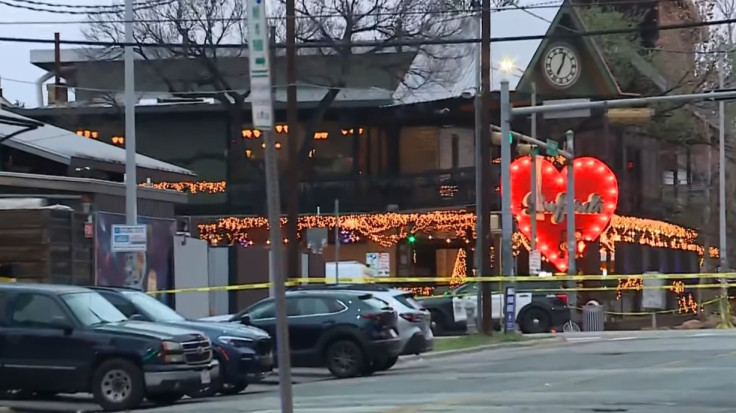
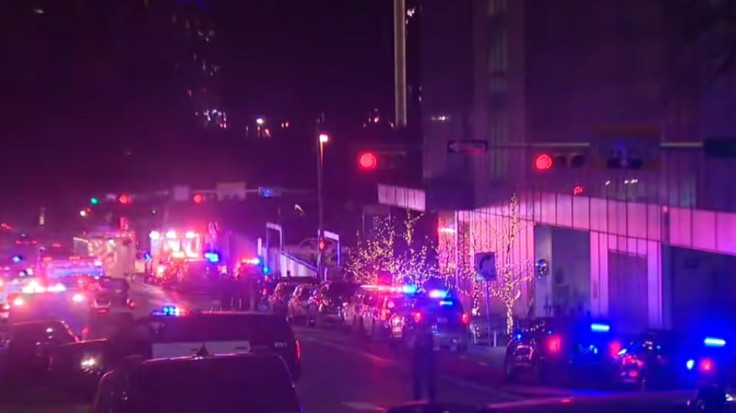
In the chaotic minutes after gunfire erupted in downtown Austin, a driverless Waymo car became an unexpected obstacle as first responders raced to a scene that would leave three dead and 14 injured. A video circulating on X appears to show the autonomous vehicle stationary amid flashing lights and frantic activity, fuelling debate about whether emerging technology hampered lifesaving efforts during one of the city's deadliest recent attacks.
The shooting has already shocked Texas with its brutality and suspected extremist undertones. Fresh scrutiny is now falling on footage appearing to show the Waymo car blocking part of the emergency route as ambulances and police vehicles converged on West Sixth Street.
🚨BREAKING: Waymo car was spotted blocking traffic for first responders to the Austin bar mass shooting that left 3 dead and 14 injured. pic.twitter.com/V2ADyGwLZU
— I Meme Therefore I Am 🇺🇸 (@ImMeme0) March 1, 2026
Chaos On Sixth Street
The attack unfolded at around 02:00 near Buford's Backyard Beer Garden, close to the University of Texas campus, as hundreds of revellers were leaving the popular nightlife district. The suspect, Ndiaga Diagne, 53, allegedly circled the block in a large SUV before stopping and opening fire from his vehicle, shooting patrons on the front patio before exiting and firing at pedestrians on the street.
Within less than a minute of the first gunshot, officers confronted and fatally shot him at an intersection. Two victims died at the scene alongside the gunman; 14 others were taken to the hospital, three in critical condition.
Waymo Car Under The Spotlight
As investigators piece together the suspect's motive, attention has also turned to the Waymo car seen near the scene. In the widely shared video, emergency vehicles appear to manoeuvre around the autonomous car as they attempt to secure the area. There is no official confirmation that the Waymo car directly impeded ambulances or police, but the footage has prompted renewed concerns about how self-driving technology interacts with fast-moving crisis situations. Critics argue that even a short delay in such circumstances can have life-or-death consequences.
Terrorism Angle Emerges
While debate over the Waymo car intensifies online, federal authorities are focused on possible extremist motivations. Federal authorities are focused on possible extremist motivations. Sources said Diagne was wearing a 'Property of Allah' hoodie and may have had Iranian symbols on an undershirt, and a Quran was reportedly found in his vehicle.
'Obviously it's still way too early in the process to determine the exact motivation but there were indicators on the subject and in his vehicle that indicate potential nexus to terrorism,' said Alex Doran, acting Special Agent in charge of the FBI's San Antonio office.
Authorities are examining whether the Austin Bar Shooting was influenced by anger over recent US actions involving Iran.
Diagne, originally from Senegal, became a naturalised US citizen in 2013 and had applied for asylum in 2016. He was reportedly known to authorities as an emotionally disturbed person and had a history of arrests in both New York and Texas.
Rapid Police Response
Austin Police Chief Lisa Davis said officers responded in under a minute after the first shots were fired — an intervention officials believe prevented an even higher death toll. Mayor Kirk Watson said: 'Our hearts go out to the people that are victims of this and I want to reiterate my thanks to our public safety officers and officials that so rapidly were on the scene — they definitely saved lives.'
Texas Governor Greg Abbott struck a defiant tone, warning that the state would respond with 'decisive and overwhelming force' to any attempt to exploit international tensions to threaten Texans.
Technology and Tragedy Collide
Autonomous vehicles are programmed to prioritise safety and comply with traffic laws, yet unpredictable emergency scenarios present unique challenges when streets are abruptly sealed off and first responders require clear, immediate access. The question now facing city officials and technology firms is whether protocols need tightening to ensure driverless vehicles automatically yield or clear routes more efficiently during major incidents. As investigations continue into both the suspected terror links and the Waymo car's role, the shooting is likely to shape debates on public safety and emerging technology for months to come.
What is clear is that in the early hours of Sunday morning, a city was shaken, 3 dead and 14 injured became a grim headline, and even a silent, driverless car became part of a much larger and deeply troubling story.
© Copyright IBTimes 2026. All rights reserved.