

Cardi B Takes Aim at ICE Agents With Blistering Warning as She Launches Her Biggest Arena Tour Yet
The rapper's comments during her tour's opening night highlight the intersection of celebrity influence and immigration politics.
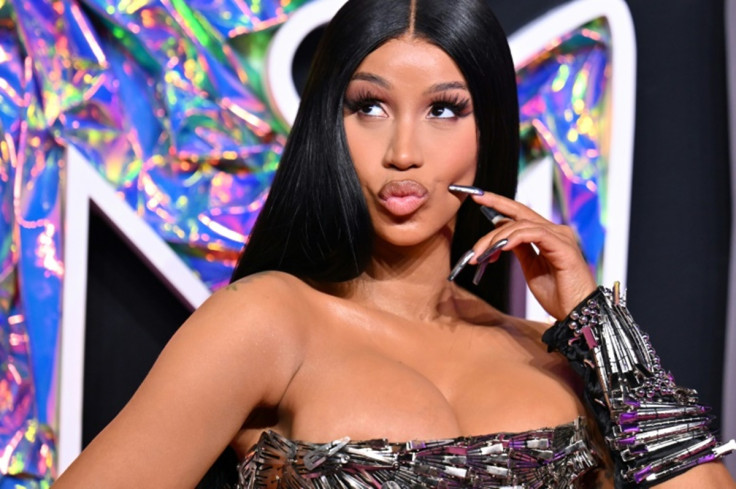
A single unscripted moment from a concert stage has thrust Cardi B into the centre of America's immigration debate once again.
The Grammy-winning rapper ignited headlines worldwide after delivering a fiery warning directed at US Immigration and Customs Enforcement (ICE) agents during the opening night of her first headline arena tour, an event that instantly went viral across social media platforms.
The remarks, delivered on 11 February 2026 in Palm Desert, California, were met with loud cheers from thousands of fans, underscoring the complex intersection of celebrity influence, immigration politics, and the power of live entertainment platforms in shaping public discourse.
Tour Launch Marked By Politically Charged Message
Cardi B opened her long-awaited 'Little Miss Drama Tour' with a performance that blended music spectacle with pointed political messaging.
During a pause in the show, the rapper told the audience that if ICE agents entered the venue, 'we're gonna jump they asses... they ain't taking my fans' a comment that quickly spread online through fan-recorded video clips and social media reposts.
The crowd responded with sustained applause and chants, reinforcing the strong emotional connection between the performer and her fanbase, many of whom include members of immigrant communities who have expressed fears over immigration enforcement activity at large public gatherings.
Industry analysts note that arena tours provide some of the largest public platforms available to entertainers, often amplifying spontaneous remarks into national conversations within hours. The immediacy of smartphone recording technology ensured that Cardi B's statement circulated globally before the concert had even concluded.
“If ICE come in here we’re gonna jump they a**es.”
— Pop Base (@PopBase) February 12, 2026
— Cardi B during her first night of her ‘Little Miss Drama’ tour.pic.twitter.com/91LNBV96QK
Longstanding Political Commentary From The Rapper
Cardi B's comments did not emerge in isolation. The Bronx-born artist has repeatedly spoken about immigration issues and social inequality throughout her career, frequently using interviews, award-show appearances, and live performances to address policy debates.
Days before launching the tour, she publicly praised fellow artist Bad Bunny for his advocacy on immigration-related issues, stating she was proud of artists 'standing up... against ICE and everything,' signalling her continuing willingness to engage with politically sensitive topics.
Her activism reflects a broader trend in the music industry in which performers increasingly frame concerts as spaces not only for entertainment but also for social messaging. Cultural commentators argue that the visibility of global tours allows artists to shape political narratives beyond traditional media platforms.
Immigration Enforcement Debate Intensifies Nationwide
The reaction to Cardi B's remarks comes amid heightened national attention on immigration enforcement operations and public protests surrounding federal immigration policies.
ICE does not routinely conduct enforcement actions inside large concert venues, but immigration advocacy organisations have repeatedly warned that enforcement operations in surrounding areas can create fear among immigrant communities, particularly during high-profile public events.
Scholars of immigration policy emphasise that celebrity statements, while symbolic, can influence public perception by highlighting anxieties experienced by undocumented migrants and mixed-status families. The visibility of high-profile performers speaking on immigration matters often accelerates online mobilisation and political debate.
At the same time, critics argue that inflammatory rhetoric directed at federal agencies risks escalating tensions and misrepresenting enforcement practices, demonstrating how celebrity commentary can produce sharply divided public responses.
The Power Of Arena Tours As Cultural Platforms
The 'Little Miss Drama Tour' marks Cardi B's first headline arena run in several years and is expected to include dozens of performances across North America, placing her before millions of fans during the coming months.
Entertainment economists note that headline arena tours represent one of the most influential cultural platforms in the modern music industry, combining live audiences, digital streaming clips, and viral social media engagement into a single ecosystem capable of shaping national conversations in real time.
Cardi B's remarks, delivered during the opening night of the tour, illustrate how live performances can rapidly transform into political flashpoints, particularly when artists address issues tied to identity, immigration, and social justice. Viral clips of the moment circulated across major social networks within hours, generating debate among political commentators, advocacy groups, and entertainment audiences alike.
The episode also demonstrates the evolving expectations placed on global celebrities, who increasingly face pressure to speak on political issues while balancing the risks of backlash from both supporters and critics.
HELLO!! 🐦⬛ We putting the kids to bed early because the Little Miss Drama Tour is coming to a city near you! Sign up now thru this Sunday, September 21 at 10pm PST for artist presale https://t.co/sdhbCJ2F4l pic.twitter.com/Nx1OmnKrMc
— Cardi B (@iamcardib) September 16, 2025
Celebrity Activism And The National Conversation
Public figures engaging with immigration policy debates have become a defining feature of modern political discourse in the United States, where entertainers command audiences that rival traditional media outlets in reach and influence.
For Cardi B, whose public persona has long blended candid commentary with cultural advocacy, the opening night message reinforced her reputation as an artist willing to address controversial issues directly, even at the risk of political backlash.
As her arena tour moves across the continent, the incident is likely to remain part of the wider national conversation about immigration enforcement, celebrity activism, and the growing power of live entertainment stages as arenas for political expression.
The moment underscores how a single statement delivered before a concert crowd can reverberate far beyond the stage, shaping debate across political, cultural, and digital landscapes.
In an era where every live performance can instantly become global news, Cardi B's opening-night declaration has ensured that her tour begins not only as a musical event but also as a defining cultural flashpoint.
© Copyright IBTimes 2026. All rights reserved.