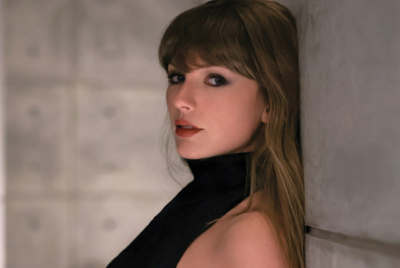
iHeartRadio Music Awards Spark Backlash As Fans Brand Event 'MAGA Country Awards'
The iHeartRadio Music Awards 2026 faced criticism for its perceived political bias, sparking a cultural debate.

The 2026 iHeartRadio Music Awards were meant to be a celebration of chart-topping hits and industry-defining artists, but it quickly turned into a flashpoint for online backlash. Held at the Dolby Theatre and broadcast live on FOX, the star-studded ceremony drew some of the biggest names in music and entertainment. However, as the night unfolded, attention shifted away from performances and accolades towards growing criticism on social media.
Viewers on platforms like X began questioning the tone and lineup of the event, with several viral posts accusing organisers of platforming artists perceived to have conservative or pro-MAGA leanings.
What should have been a unifying night for music instead sparked a divisive cultural debate, with fans branding the ceremony the 'MAGA country awards' and calling out what they saw as a politically skewed showcase.
Social Media Backlash Against The Awards
Almost immediately after the broadcast began, criticism began circulating online, as per reports. One widely shared post bluntly asked why the iHeartRadio Music Awards had 'turned into the MAGA country awards this year', reflecting a sentiment that quickly gained traction. Other users echoed similar frustrations, with some posts racking up tens of thousands of views within hours.
A particularly viral reaction called for one performer to be removed from the stage altogether, labelling them 'racist' and accusing them of aligning with the MAGA movement. While such claims were not universally substantiated, the speed at which they spread showed the increasingly blurred lines between entertainment and political discourse.
Part of the backlash also stemmed from the perception that certain artists associated, fairly or not, with conservative audiences were being spotlighted. The presence of country and rock acts, genres often stereotypically linked with right-leaning fanbases in the United States, fuelled that narrative.
Meanwhile, Ludacris, who hosted the 13th annual ceremony, largely avoided the controversy during the broadcast itself, keeping the focus on performances and awards. Still, the online conversation continued to intensify, overshadowing much of what happened on stage.
The situation was further amplified by ongoing tensions within the music industry. Shinedown, who took home an award, had recently made headlines for distancing themselves from Kid Rock's festival. That move had already placed them in the middle of a broader cultural conversation, and their recognition at the awards only added fuel to the fire for critics scrutinising the event's perceived political undertones.
The Real Reason Behind The Backlash
The reaction to the iHeartRadio Music Awards is far from an isolated incident. In fact, it reflects a bigger pattern in which major entertainment events are increasingly pulled into political and cultural crossfire, often overshadowing the achievements they are meant to celebrate.
Earlier this year, the Grammy Awards faced a wave of criticism after several artists used the platform to make political statements, causing backlash from viewers who felt the show had drifted away from its musical focus.
At the same time, others criticised the ceremony's format and decision-making, showing how quickly public opinion can fracture in the social media era.
Country music has been particularly susceptible to these tensions. The CMA Awards have repeatedly found themselves at the centre of controversy in recent years, whether over perceived bias in award selections or debates around inclusivity and representation.
These recurring disputes have helped cement the idea that certain genres carry implicit political associations, fairly or not, which then spill over into more industry events like the iHeartRadio ceremony.
Even outside strictly music-focused platforms, similar dynamics have emerged. The Academy Awards have faced scrutiny over nominees' past remarks and broader questions of representation, while the BET Awards have drawn criticism over category decisions and tribute segments.
In each case, the conversation has extended well beyond the awards themselves, focusing instead on what the events are perceived to represent culturally and politically.
© Copyright IBTimes 2026. All rights reserved.
- MOST POPULAR IN Entertainment