

'Worst We've Seen,' Says Expert as Christa Pike Survives Two Doses and Is Heard Snoring
Pike was taken to hospital after witnesses reported hearing her snore behind a closed curtain, while Governor Bill Lee has halted the state's remaining scheduled execution for 2026
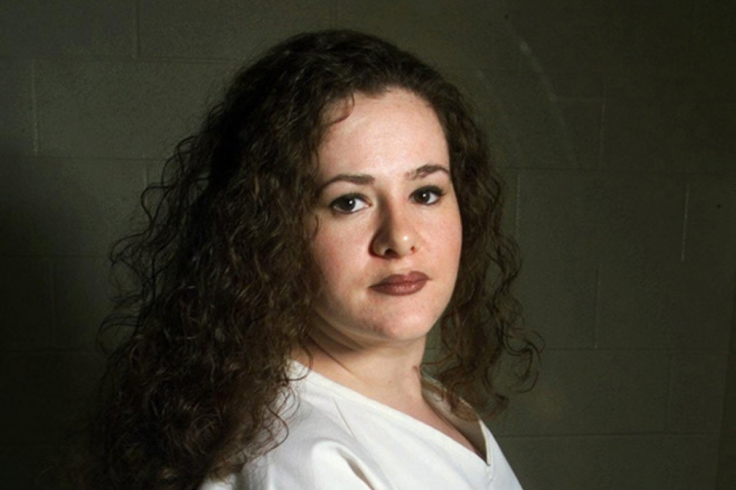
Pike survived two doses of pentobarbital during the attempted execution at Riverbend Maximum Security Institution on Wednesday, 30 September, according to her lawyers. Media witnesses later reported hearing the prisoner snoring behind a closed curtain.
Pike was taken by ambulance to an off-site medical facility, where her lawyers said she was receiving treatment. Death Penalty Information Center executive director Robin M. Maher described the episode as the 'worst we've seen'.
Tennessee Governor Bill Lee subsequently ordered a comprehensive third-party review into what happened and halted the state's remaining scheduled execution for 2026.
Hours before the lethal injection procedure commenced, the 6th US Circuit Court of Appeals temporarily stopped Pike's execution. The US Supreme Court later cleared the way for the execution to proceed.
Pike was sentenced to death for the 1995 killing of 19-year-old Colleen Slemmer, her classmate at a job training facility in Knoxville. She would have been the first woman executed in Tennessee in more than 200 years.
Christa Pike Survives Two Pentobarbital Doses
Media witnesses said officials opened the execution chamber curtains at 7.27pm and saw Pike strapped to a gurney. Before the drugs were administered, Pike gave what were intended to be her final words. 'I'm going to leave this world the way I spent most of my life and that is in love,' she said.
Pike remained awake during the procedure, according to witness accounts. Tori Gessner, a Nashville reporter who witnessed the execution attempt, said Pike was heard saying at 7.34pm, 'My arm feels like it's about to burst open.' Pike then asked whether what she was experiencing was supposed to happen.
By 8.26pm, execution witnesses reported that officials had administered the second dose of pentobarbital. Pike continued to be heard snoring behind the closed curtain until the microphone was switched off at 8.53pm. Media witnesses were then escorted from the area.
Pike's lawyers said in court filings that she remained alive after both sets of lethal-injection chemicals were administered. They later said she had been taken to hospital but had not been told her condition.
Tennessee Reviews Failed Christa Pike Execution
Tennessee's execution protocol calls for a second set of drug syringes to be administered if an inmate is not dead after the first set. According to the supplied account of the protocol, it does not specify what happens if an inmate remains alive after the second set.
Lee said he had ordered 'a comprehensive, third-party review to determine exactly what occurred'. He also said Tennessee's remaining scheduled execution this year would not go ahead.
'Carrying out a lawfully imposed sentence is among the State's most serious responsibilities,' Lee said. He added that residents expect the state to carry out executions in a manner that is legal, constitutional and effective.
The Tennessee Department of Correction maintained that officials 'followed every step of the State's lawful, established execution protocol approved by the Attorney General's Office'. It also said the lethal-injection chemical in the protocol had consistently been effective.
Maher separately described what Pike experienced as 'singular and unparalleled'. She said other prisoners had survived execution attempts involving failures to establish intravenous access, but she knew of no case in which someone remained alive after receiving the execution drugs.
Pike's case marked Tennessee's second unsuccessful execution attempt this year. In May, officials called off Tony Carruthers' lethal injection after executioners were unable to establish the required intravenous access for pentobarbital.
Court Fight Preceded Christa Pike Execution
Hours before the lethal-injection process began, the 6th US Circuit Court of Appeals issued a temporary stay. The court said it needed time to consider whether Pike's allegations of childhood sexual abuse had been fully considered at sentencing.
The Tennessee Attorney General's Office appealed to the US Supreme Court. It argued that halting the execution at the last moment had traumatised Slemmer's family and would reward what it called Pike's lawyers' 'abusive delay tactics'.
The Supreme Court later allowed the execution to proceed. Justices Sonia Sotomayor, Elena Kagan and Ketanji Brown Jackson dissented.
Pike was 18 when Slemmer was killed. Her supporters argued that Tennessee should consider her age at the time, her mental illness and her allegations of severe sexual abuse.
What Happens Next for Christa Pike
Slemmer's mother, May Martinez, had travelled to Nashville hoping to witness Pike's death sentence being carried out. After the failed execution, she criticised how officials communicated with the victim's family.
'They didn't say anything, and then, all of a sudden, they asked all the victims to leave. And we left,' Martinez said. She said the family was later told the execution had not worked and Pike was being taken to hospital.
Pike's execution warrant was due to expire at midnight local time. The Tennessee Department of Correction had not immediately said whether officials would attempt another execution or, if so, when.
Lee's review is intended to determine what occurred during the failed execution. Tennessee's remaining scheduled execution for 2026 will not proceed as planned.
© Copyright IBTimes 2026. All rights reserved.