Grandmother, 83, Died With Hands Clasped in Prayer After Family Says She Was Euthanised Against Her Will
Relatives dispute Stegemann's capacity and final consent, but the allegations remain unverified and clinicians have not responded
The family of an 83-year-old Ontario woman alleges that she received Medical Assistance in Dying (MAID) against her wishes, despite telling relatives two days earlier that a mistake had been made.
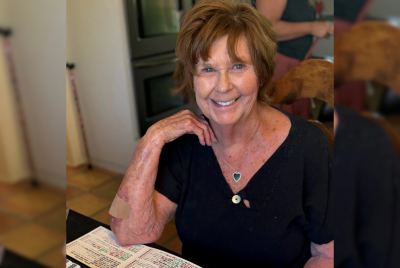
Brigitte Stegemann, known to her family as GG, reportedly died on 10 July 2026 in a long-term care home after receiving MAID. Her granddaughter, Brigitte Kranendonk, says she held power of attorney for her grandmother and disputes that Stegemann was capable of consenting or that she consented on the morning of the procedure.
Every account of her final days comes from the family, and neither the care home nor the clinicians involved have publicly responded.
What the Family Says Happened
The family's account begins with Stegemann's diagnosis of stage 4 stomach cancer, which they say came about five months before her death. MAID was first raised by staff at her care home around two months before she died, according to a statement from her granddaughter reported by Right To Life UK.
The family says she initially refused. Stegemann had declined MAID on the grounds that it conflicted with her Christian faith, according to a family post on Facebook, which described what followed as a systemic failure and accused clinicians of disregarding safeguards meant to protect vulnerable patients.
An Ontario family says an 83-year-old woman received medical assistance in dying on July 10, 2026, after she had earlier refused it, and that she did not give a clear final yes on the day she died. pic.twitter.com/NemVu0XWmy
— YEGWAVE (@yegwave) September 21, 2026
Kranendonk says she tried to make sure her grandmother understood. Two days before the procedure, she asked her whether she knew she was going to die on the Friday and says Stegemann cried for about 45 minutes and repeatedly said she had made a mistake, according to an interview with the Daily Mail published in September 2026.
She also disputes the finding that her grandmother had decision-making capacity. Kranendonk told the Daily Mail that Stegemann 'got every question wrong' on a cognitive assessment, including believing that her two living siblings were dead, and the family says English was not her first language and that she was severely hard of hearing.
An incorrect answer on an assessment does not by itself determine capacity, which under Canadian practice is assessed in relation to the specific decision being made.
The Morning of the Procedure
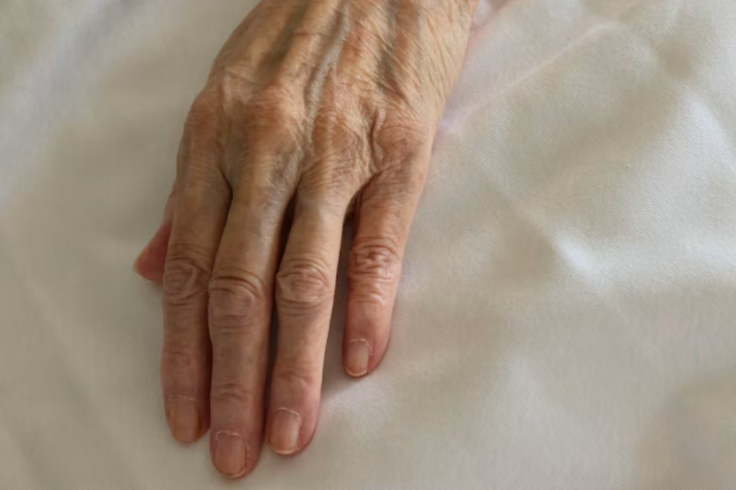
The family's central allegation concerns final consent. According to her family, Stegemann did not respond verbally when the doctor spoke to her that morning and kept her hands clasped in what relatives described as a prayer position.
Kranendonk says she believed the procedure would be halted because consent had not been given, and that the clinical team proceeded regardless.
The family also says an initial attempt to insert an intravenous line caused significant bleeding. Stegemann died shortly afterwards, surrounded by relatives, according to their account. None of these details has been independently verified.
Kranendonk says she has been unable to obtain records that might settle the question. She says her requests for her grandmother's medical records have been refused, and that she regrets not applying for a legal injunction beforehand, having not realised at the time that she could. Whether such an application would have been available or successful is unclear.
The Complaints and the Law
Kranendonk says she has raised concerns with the Office of the Chief Coroner in Ontario, the province's Patient Ombudsman and Belleville Police. The status of those complaints could not be independently confirmed, and no findings by any of those bodies have been identified.
The legal framework is detailed. Canadian law requires a written request for MAID, confirmation by two independent physicians or nurse practitioners that the patient meets the eligibility criteria, and a series of procedural safeguards. Ordinarily, a patient must be given an opportunity to withdraw and must expressly consent immediately before MAID is provided.
There is a narrow exception. A waiver of final consent is available where a patient whose natural death is reasonably foreseeable has been assessed and approved while capable, has been told of the risk of losing capacity and has entered a written arrangement with the provider.
Even then, the waiver ceases to apply if the patient, having lost capacity, shows refusal or resistance through words, sounds or gestures, although involuntary reflex movements are treated differently. It has not been reported whether any waiver existed in this case.
Consent rests with the patient. A power of attorney cannot consent to MAID on a patient's behalf, although another person may sign the written request at the patient's express direction where the patient cannot physically sign and the legal requirements are met.
The case has been highlighted by Right To Life UK, an organisation that opposes assisted dying. Canada's framework includes safeguards covering eligibility, capacity, voluntariness and consent, and whether those safeguards were followed in Stegemann's case has not been established.
A granddaughter's account and a set of unconfirmed complaints are, for now, all there is to set against the clinicians' assessment that Brigitte Stegemann was capable of the decision.
© Copyright IBTimes 2026. All rights reserved.
- Recommended For You