

Donald Trump and Benjamin Netanyahu Reportedly Had a 'Shouting Match From Hell' Over New Strikes on Iran
Behind a disputed telephone confrontation lies a consequential disagreement over how to confront Iran
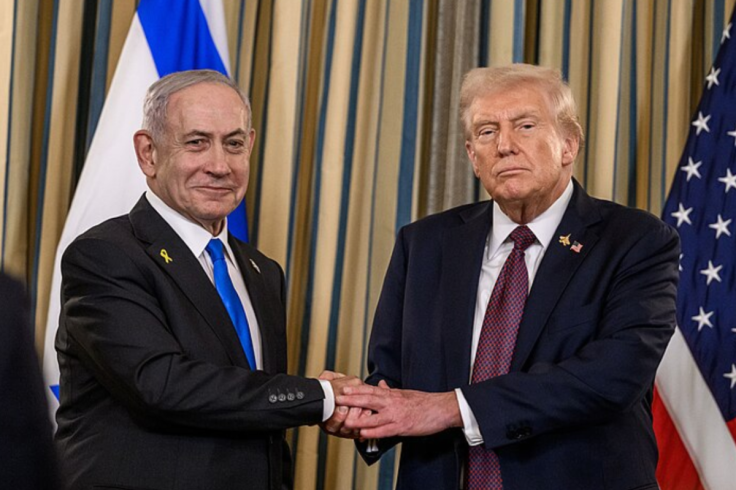
Israeli outlet Ynet claims a phone call between US President Donald Trump and Israeli Prime Minister Benjamin Netanyahu became a 'shouting match from hell'. The leaders discussed Iran during the weekend of 7-8 November, but Netanyahu's office denied the alleged confrontation.
The report emerged as Washington weighed further military action against Tehran. On 14 November, Reuters reported that Trump was considering holding off on renewed strikes unless Iran or the Houthis in Yemen provoked the United States.
What Sources Say About the Trump-Netanyahu Iran Call
Ynet cited unnamed sources familiar with the conversation, one of whom described it as a 'shouting match from hell'. The outlet published no recording of the exchange, leaving the allegation independently unverified.
Netanyahu's office dismissed the account as 'fake news, complete nonsense'. A senior Israeli official confirmed the conversation occurred but insisted it was 'very much not a difficult conversation'.
Their public positions nevertheless reveal differences over Iran. Speaking at the opening of Israel's 26th Knesset on 10 November, Netanyahu accused Tehran of rebuilding its nuclear programme. He argued that removing Iran's ruling regime was the only permanent solution.
Trump sounded less inclined to launch another offensive on 9 November. Following a meeting with Qatari Prime Minister Sheikh Mohammed bin Abdulrahman Al Thani, he said renewed military action did not seem necessary. Qatar has helped mediate contacts between Washington and Tehran.
The leaders have disagreed before. In a June interview with Miranda Devine, Trump acknowledged speaking sharply to Netanyahu over Israeli operations in Lebanon. He nevertheless maintained that their relationship remained friendly.
Trump-Netanyahu Iran Call Overshadows Washington's Military Options
At a G7 meeting in Paris on 10 November, Secretary of State Marco Rubio outlined an alternative to renewed warfare or an unacceptable agreement. According to three attendees cited by Axios, he favoured continuing economic pressure on Tehran.
US sanctions and a naval blockade remain central to that approach. Rubio argued that these measures were damaging Iran's economy and restricting its ability to rebuild military capabilities. Those assessments reflect the administration's position rather than independently established outcomes.
Trump, however, has not ruled out force. In a 12 November interview with Hugh Hewitt, he said he would not hesitate to strike again if circumstances changed.
Asked whether Iran's existing leadership remaining in power at the end of his presidency would constitute a defeat, Trump replied, 'Yes, that would be a defeat.'
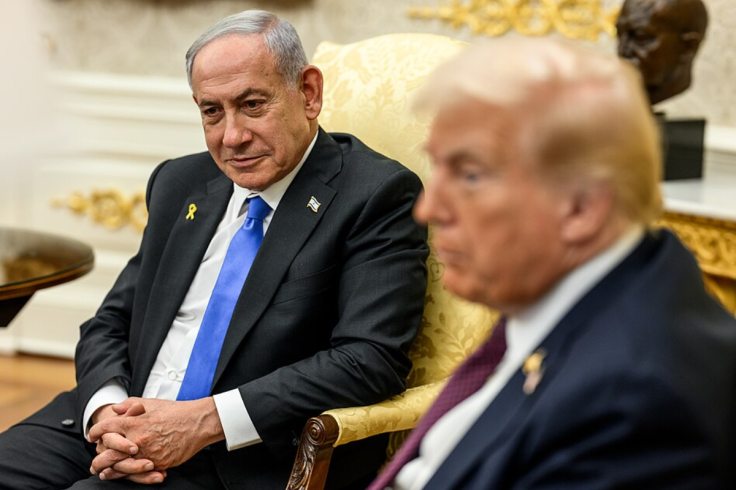
His position appeared more cautious in subsequent private discussions. Reuters reported on 14 November that Trump had discussed restraint if Washington faced no fresh provocation from Iran or the Houthis. The account relied on three people familiar with the discussions and did not establish a final decision.
Iranian President Masoud Pezeshkian also addressed the diplomatic uncertainty. On 9 November, he said Supreme Leader Mojtaba Khamenei had instructed officials to end the country's 'no war, no peace' situation. Pezeshkian said negotiations remained possible if Iran could preserve its dignity.
The prospect of renewed fighting has nevertheless prompted warnings from Tehran. On 11 November, Iranian security official Mohsen Rezaei said American bases outside the Middle East, including in Europe, could face retaliation if used to launch fresh attacks on Iran.
© Copyright IBTimes 2026. All rights reserved.