

Christa Pike's Lawyers Warned of Possible Blood Cancer Months Before Tennessee's Failed Lethal Injection
A January court complaint raised concerns about Pike's elevated platelet count and difficulties with needles
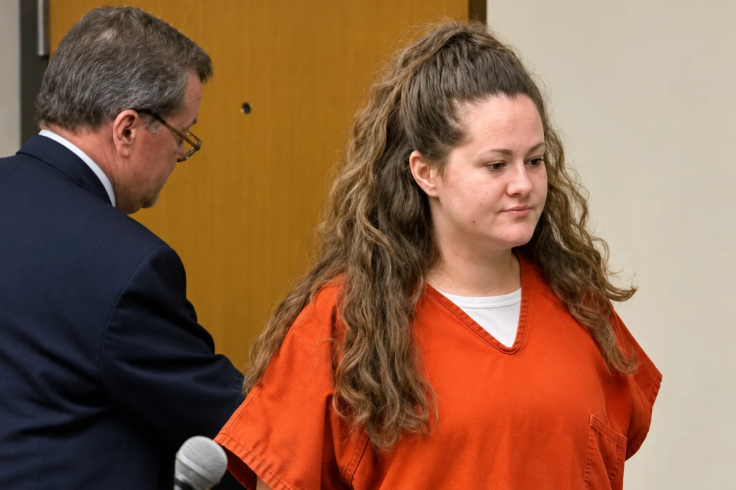
When Tennessee's attempt to execute Christa Pike failed on 30 September, it brought renewed attention to medical warnings her lawyers had raised months earlier. A January court complaint described an elevated platelet count potentially linked to blood cancer and longstanding difficulties accessing her veins.
Pike, 50, survived two doses of pentobarbital at Riverbend Maximum Security Institution in Nashville. An attorney who witnessed the procedure later reported repeated attempts to establish intravenous access.
The Tennessee Department of Correction maintains that it followed its approved protocol, while an independent investigation has yet to establish why the execution failed.
The failed lethal injection followed months of litigation over Pike's medical condition and Tennessee's execution procedures. Her lawyers had argued that the combination of a suspected blood disorder, difficult veins and the state's lethal-injection protocol exposed her to unnecessary suffering.
Tennessee disputed those concerns before proceeding with the execution.
Christa Pike's Possible Blood Cancer Was Raised in January Court Filing
In a complaint filed on 8 January 2026, Pike's attorneys warned that her health could make lethal injection particularly dangerous. The filing, obtained by PEOPLE, argued that the planned execution violated protections under the First, Eighth and Fourteenth Amendments to the US Constitution.
Her lawyers said Pike's 'platelet count is significantly elevated, likely due to a rare form of blood cancer called myeloproliferative disorder'.
The complaint also identified thrombocytosis, a condition involving elevated platelet levels. Although thrombocytosis can accompany certain blood cancers, it can have other causes and does not independently establish a cancer diagnosis.
The available reporting does not confirm Pike's precise diagnosis through separate medical records.
Her attorneys argued that the condition could increase her risk of pulmonary oedema, a potentially dangerous buildup of fluid in the lungs. They warned that the complication could produce 'a sense of suffocating or drowning' and cause severe suffering during the execution.
At the time of publication, no available official finding establishes that Pike developed pulmonary oedema during the failed lethal injection.
Christa Pike's Lawyers Also Warned About Difficult Intravenous Access
The suspected blood disorder was not the only medical concern outlined in the January complaint.
Pike's lawyers said she had 'a history of difficulty with blood draws and needle insertion'.
They noted that prison medical staff used butterfly needles when collecting blood samples and proposed a similar approach, administered by qualified personnel, to reduce the risks associated with establishing intravenous access.
The attorneys also challenged Tennessee's updated execution protocol because it failed to guarantee immediate telephone access for legal counsel. They argued that lawyers needed to contact the courts quickly if complications arose.
Tennessee contested the medical warnings during an August evidentiary hearing. The state argued that Pike's veins were accessible, citing successful blood draws, and that her elevated platelet count posed minimal clotting risk.
Execution Team Reportedly Struggled Before Christa Pike Survived Two Doses
Pike's execution did not proceed as intended after prison personnel administered two doses of pentobarbital, the drug used in Tennessee's lethal-injection protocol.
In a subsequent court declaration, attorney Randy Spivey described execution personnel apparently using approximately 10 needles while attempting to establish intravenous access.
His account raised questions about whether the drug was delivered properly, although the exact reason Pike survived remains undetermined.
The Tennessee Department of Correction said officials had followed the state's established execution protocol. The department also stated that its procedures did not authorise additional measures beyond those carried out that evening.
Pike was taken to hospital, where she remained for approximately 10 days. She subsequently returned to the Debra K. Johnson Rehabilitation Center while recovering from the failed procedure.
The difficulties described by her attorney echoed the warnings about intravenous access raised months earlier. However, that similarity does not establish that her suspected blood disorder caused the execution to fail.
Tennessee Orders Review as Christa Pike Faces Uncertain Future
Following the failed execution, Governor Bill Lee ordered an independent investigation and halted Tennessee's one remaining execution scheduled for 2026. That decision affected Gary Wayne Sutton, whose execution had been set for 3 December.
Pike's lawyers have also challenged her confinement in the prison's medical ward following her hospitalisation. They argue that keeping her isolated from other prisoners conflicts with an earlier settlement governing her conditions of confinement. That dispute remains separate from the investigation into the execution itself.
Pike remains under a death sentence for the 1995 murder of 19-year-old Colleen Slemmer, committed when Pike was 18.
Surviving the September execution did not overturn her conviction or sentence, and any further attempt to execute her would face continuing legal scrutiny.
The independent review has not yet established why the lethal injection failed. The January complaint provides a documented account of medical risks raised before the procedure, but whether those conditions contributed to what happened inside the execution chamber remains unresolved.
© Copyright IBTimes 2026. All rights reserved.