

Christa Pike Says She Was Forced To Clean 'Roach-Infested Shower' After Failed Lethal Injection
Pike's lawyers say her continued isolation in a prison infirmary breaches a 2024 settlement, while Tennessee argues the placement follows medical advice
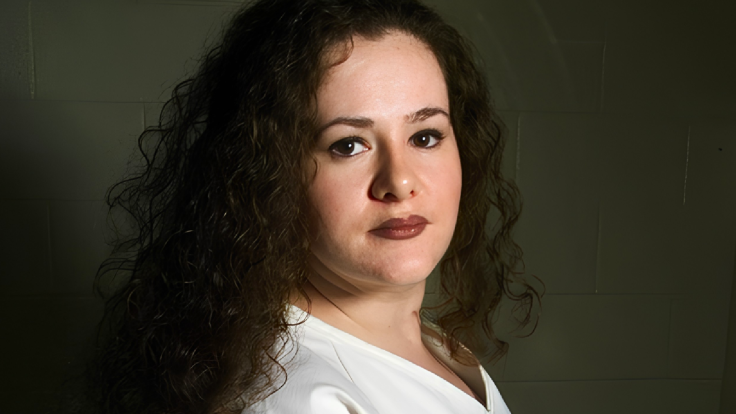
Christa Pike says she had to clean a 'roach-infested shower' while recovering from Tennessee's failed lethal injection on 30 September 2026.
In a federal court declaration, the death row prisoner warned that the conditions could put her at risk of infection and further injury.
Her lawyers filed an emergency motion on Friday, 30 October, alleging that her continued isolation at Nashville's Debra K. Johnson Rehabilitation Center breached a September 2024 settlement agreement.
The state opposed the requested relief, maintaining that her infirmary placement was based on medical advice.
Pike survived two doses of the lethal injection drug pentobarbital during the execution attempt. She was subsequently hospitalised and placed on a ventilator before being discharged on 9 October.
Since returning to prison, she says she has struggled with injuries and restrictions on contact with other prisoners.
Christa Pike Raises Infection Fears After Failed Execution
In her declaration, dated 29 October, Pike wrote: 'I have a roach-infested shower that I had to clean on my own.' She described the situation as presenting a 'high risk of infection and further injury.'
The statement does not establish that prison officials ordered her to clean the shower. It also does not demonstrate that the task caused an infection. Her description forms part of the evidence submitted in support of her emergency motion.
Pike alleges that she continues to experience severe pain, burns, nerve damage and difficulty sleeping following the execution attempt. She says injuries to her arms and hands have left her physically weak and undergoing treatment, including wound care and remote physical therapy.
Thirteen days before her execution, Christa Pike said her worst nightmare was the lethal injection failing. It did.
— Levils (@builtinlevi) October 31, 2026
In 1995, she was 18. She murdered 19-year-old Colleen Slemmer with a box cutter and a piece of asphalt over a boyfriend. She carved a pentagram into Colleen's… pic.twitter.com/JPafO9UmOg
She also reported returning to a hospital emergency department once after her discharge, although she was not readmitted for inpatient treatment. The declaration does not provide a diagnosis for that visit or establish the full extent of her injuries.
Beyond her physical condition, Pike says the restrictions on contact with other prisoners have affected her psychological well-being. She previously spent 28 years in solitary confinement before reaching an agreement with Tennessee authorities that permitted supervised social interaction.
Her latest legal challenge centres on whether the prison can continue restricting those activities while she receives medical treatment.
Pike Challenges Prison Isolation Under 2024 Agreement
The September 2024 settlement established an individualised plan allowing Pike to participate in supervised activities with other incarcerated women. These included group meals, classes, religious services, work assignments and shared recreation.
However, Pike alleges that those arrangements effectively ended when she returned from hospital.
She says she remains separated from other prisoners in the infirmary, although she has limited contact with prison staff, medical personnel, her spiritual adviser and lawyers. According to her declaration, she is permitted to leave the infirmary only for legal visits elsewhere in the prison.
Returning to her previous housing unit presents another concern.
Pike claims the unit accommodated prisoners with serious disciplinary histories and that she witnessed assaults involving inmates and guards. She fears her current physical condition would prevent her from defending herself or escaping an attack.
Those allegations concerning the unit's safety have not been independently established.
Her lawyers are therefore seeking an arrangement that would restore access to communal activities without exposing her to the dangers she describes. They argue that prolonged isolation undermines the protections secured through the earlier settlement.
The state disputes the requested relief. According to WSMV, prison authorities previously told Pike's lawyers that medical providers considered the infirmary arrangement appropriate for her needs.
The state also indicated that the placement would continue until further notice. Its lawyers opposed Pike's request during discussions on 30 October, according to the emergency motion.
Tennessee Department of Correction communications director Dorinda Carter separately told Us Weekly on Monday, 2 November, that the department does not comment on pending litigation.
Court Deadlines Follow Tennessee's Failed Execution
Pike was convicted in 1996 of the 1995 murder of fellow student Colleen Slemmer and sentenced to death.
Her failed execution prompted Tennessee Governor Bill Lee to order a comprehensive review of the state's execution procedures. He also cancelled the remaining scheduled execution for 2026 while officials examine what went wrong.
The latest proceedings concern Pike's conditions of confinement rather than the validity of her death sentence.
According to People, the US District Court for the Middle District of Tennessee has given the defendants until Wednesday, 4 November, to respond to the emergency motion.
Pike's lawyers are scheduled to submit their reply by Friday, 6 November.
No ruling on her request had been reported as of Tuesday, 3 November. The court must now consider whether the existing arrangements comply with the settlement while accounting for Pike's medical needs and safety.
© Copyright IBTimes 2026. All rights reserved.