Donald Trump's Cognitive Screening Claims Create 'Nightmare Scenario', Political Analyst Warns
David Pakman challenges Trump's interpretation of cognitive screening scores, raising concerns about his response to criticism and the implications for presidential decision-making
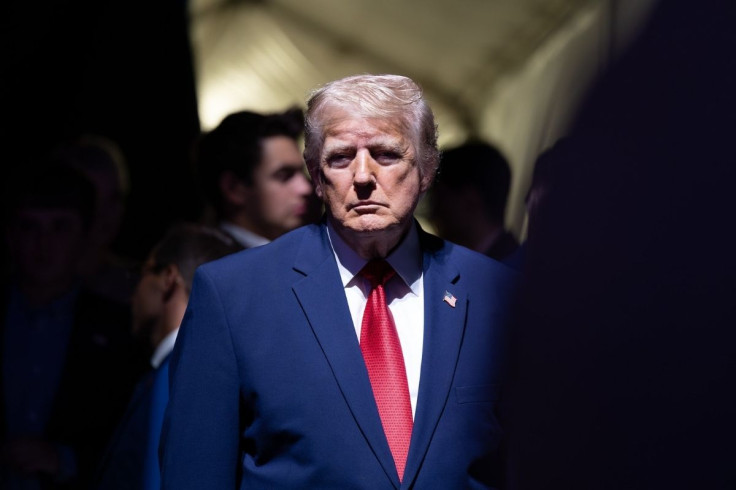
Political analyst David Pakman has sharply criticised President Donald Trump's public interpretation of cognitive screening scores on Wednesday, arguing that framing a medical exam as a measure of exceptional intelligence obscures vital questions about executive leadership.
Speaking on The David Pakman Show on YouTube, the progressive radio host contended that discussions regarding presidential cognition must look beyond medical assessments to examine how an administration handles factual errors and feedback.
Pakman emphasised that he was not offering a clinical diagnosis but was instead focusing on the political risks associated with what he characterised as extraordinary 'narcissism' and an unwillingness to accept correction.
By misrepresenting the Montreal Cognitive Assessment as an intellectual benchmark, the president allegedly fosters a fragile feedback loop where administrative staff feel intimidated to report mistakes.
The commentator's central argument was about the interaction between possible confusion and resistance to correction. In his view, considering questions about cognition separately from a president's response to criticism misses an important part of the discussion.
Why Pakman Challenged Trump's Cognitive Screening Claims
Pakman pointed to Trump's repeated claims about achieving perfect scores on the Montreal Cognitive Assessment. According to the commentator, the president has presented those results as evidence of his intelligence.
Pakman stressed the assessment screens for possible cognitive impairment rather than measuring intelligence. His criticism focused on the meaning Trump attached to the scores and the distinction between those two purposes.
'Even Donald Trump framing a dementia screening as an IQ test is the dynamic that I am talking about here,' Pakman said.
In his argument, a claim about performance on a cognitive screening does not establish a separate claim about intellectual ability. He focused on how the president described the assessment, not a clinical interpretation of his results.
Pakman used the example to explain why he wanted debate about the president's public statements to include questions about confidence and self-image. He presented the screening claims as an illustration of his criticism, without offering a diagnosis.
Questions About Correcting a President's Possible Mistakes
The analyst then questioned whether anyone surrounding Trump would feel comfortable telling the president he had misunderstood information or remembered something incorrectly.
He raised this as a question about how correction would be received. His concern centred on whether people around a president feel able to challenge an error and whether the president is willing to acknowledge one.
'The presidency is one of the worst possible jobs for someone who cannot tolerate being told that he is wrong,' Pakman said.
The comment connected his criticism of the screening claims to the responsibilities of the office. For Pakman, the concern extended beyond the possibility of confusion to how people respond when someone identifies a mistake.
How Pakman Described a Dangerous Feedback Loop
Pakman outlined a conditional argument: if confusion produces an error, resistance to acknowledging fault makes addressing the mistake harder. 'And that creates this insanely dangerous feedback loop,' he said.
He called the combination a 'nightmare scenario', describing the political danger. The description was part of his commentary and did not establish a medical condition.
His warning returned to the question underlying his criticism of Trump's screening claims: whether confidence in personal judgment leaves room to accept correction. Pakman argued the willingness to acknowledge mistakes deserves attention alongside concerns about a president's understanding of information.
While political opponents weaponise cognitive arguments for electoral advantage, independent analysts maintain that institutional checks remain essential. The overarching debate highlights ongoing tensions between political self-promotion and transparent executive management.
© Copyright IBTimes 2026. All rights reserved.
- Recommended For You