

DNA Suggests Beachy Head Woman May Be From Eastbourne
Beachy Head Woman's origins finally coming into focus
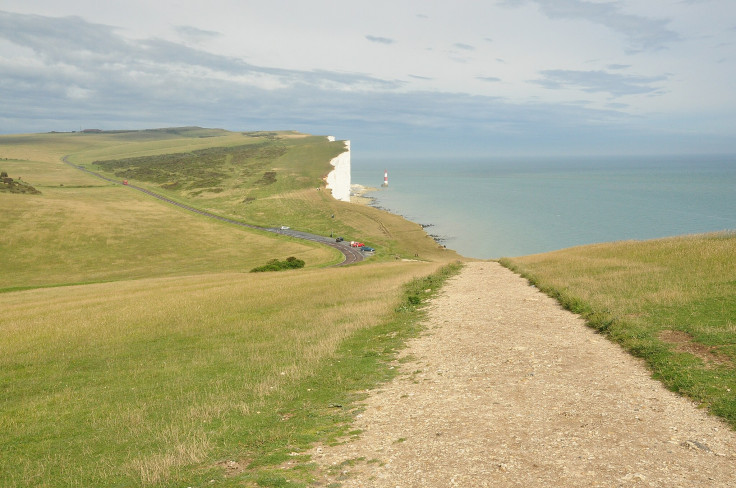
The Beachy Head Woman, originally dubbed as the earliest recorded black Briton, later speculated to be of Cypriot descent, has now been identified as having southern English origins. The mystery of the excavated skeleton, believed to belong to the Roman era, is slowly starting to unfold after the latest technologies in DNA sequencing produced a high-quality genetic readout from the human remains.
In the past, forensic anthropologists presumed that the skeleton of the woman found on Beachy Head, East Sussex, may have originated from sub-Saharan Africa based on the skull analysis. In 2016, a plaque was installed in her honour as the 'first black Briton'. The plaque had been removed in 2023 after succeeding studies debunked the theory about her sub-Saharan African origin.
Latest Discoveries About the Beachy Head Woman
Questions about the origins of the Beachy Head Woman intensified when early DNA results hinted that the owner of the skeleton may have come from Cyprus. However, those initial findings were inconclusive.
Speaking with The Guardian, Dr Selina Brace from the Natural History Museum in London, and the senior author of the latest Beachy Head Woman research, said that the owner of the remains had an interestingly long journey.
'She was held up as a public figure. Now she's being used to show how science advances. She's just this local girl who grew up in Eastbourne,' Dr Brace said.
Rediscovery in Eastbourne
The skeleton was retrieved from the Eastbourne town hall collections in 2012. Based on the details printed on its box, the remains were discovered at Beachy Head during the 1950s. Radiocarbon dating revealed that the owner of the skeleton died between AD129 and 211, consistent with the period of the Roman occupation in Britain.
Physical analysis of the remains suggested that the owner of the bones was approximately 18 to 25 years old at the time of death. She stood around 5ft tall, and bore a healed wound on her leg indicating a serious but non-fatal injury before she passed away. According to a report from the BBC, scientists have yet to determine her cause of death.
Scientific Advances Help Reveal A Fuller Picture
Dr Brace revealed that the discoveries highlight how technology continues to refine our understanding:
'Our scientific knowledge and understanding is constantly evolving, and as scientists, it's our job to keep pushing for answers. Thanks to the advancement of technology that has occurred in the past decade since Beachy Head Woman first came to light, we are excited to report these new comprehensive data and share more about this individual and her life,' she said.
Based on the conclusion of the research published in the Journal of Archaeological Science on 17 December, the skeleton excavated at Beachy Head may likely have come from the southern part of England.
'When combined with 87Sr/86Sr isotope results, which indicated BHW shared similar early-life mobility to individuals also excavated from the south coast and dated to the Roman-era Iron Age and early medieval periods, this suggests BHW likely came from the south coast of England,' the paper read.
Further studies about the Beachy Head Woman are expected as scientists continue to apply modern DNA profiling techniques.
© Copyright IBTimes 2026. All rights reserved.