Elon Musk Found Liable For Fraud After 'Tanking' Twitter Stock To Snap Up $44B Deal — Jury Says It Was Deliberate Market Play
Jury Rules Musk's Tweets Misled Investors, Impacting Twitter's Share Price
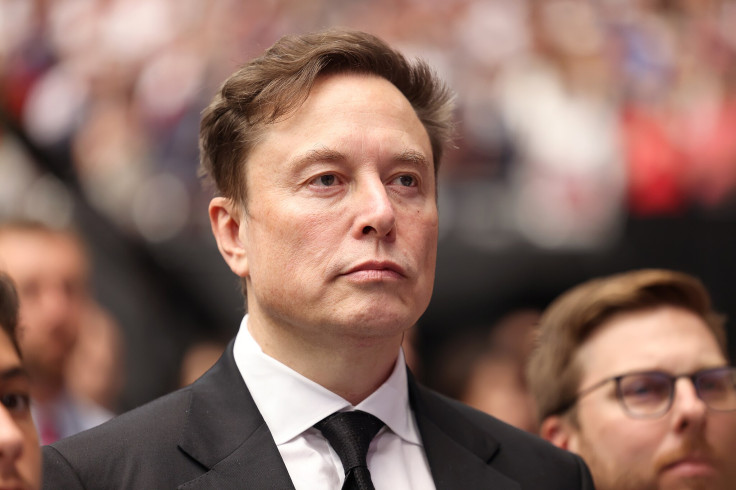
Elon Musk, the billionaire entrepreneur, has been found liable for misleading Twitter investors as he pursued his $44 billion acquisition of the social media platform in 2022.
A federal jury in San Francisco concluded that Musk's public comments, including two tweets and remarks made on a podcast, artificially depressed Twitter's share price. While the court has yet to set financial damages, estimates suggest Musk could be liable for as much as $2.5 billion.
Tweets That Triggered Legal Action
The civil case revolved around three key statements Musk made shortly after agreeing to buy Twitter in April 2022. Jurors determined two of these posts were legally actionable. In one, Musk stated that the acquisition was 'temporarily on hold' pending confirmation that spam and fake accounts made up less than five per cent of active users.
In another, he claimed the actual bot population could be 'much' higher than twenty per cent, insisting the takeover could not proceed until Twitter's CEO verified the original metric. These statements, the court found, misled shareholders into believing the platform's value was uncertain, prompting them to sell at a loss.
The plaintiffs in the case were investors who sold Twitter shares between 13 May and 4 October 2022. They argued Musk's statements deliberately drove down the company's valuation during this period, leaving them financially disadvantaged.
The jury agreed that the two tweets had a material impact, holding Musk accountable for the resulting losses. However, the court did not find evidence of a broader scheme to defraud shareholders beyond these posts.
Francis Bottini, representing the investors, highlighted the wider implication of the ruling, saying, 'Musk's status as the world's richest man is not a free pass. If you are able to move markets with your tweets you are responsible for the harm you cause to investors.'
Elon Musk was found liable for deliberately driving down Twitter's stock price before buying it. 💼⚖️
— SporttyStuff🥊 (@retardedusa) March 20, 2026
Let that sink in.
One of the richest men in the world manipulated the market, tanked a company's value, and then scooped it up at a discount—using the chaos he created.
And…
Musk's Defence
Throughout the trial, Musk's legal team argued that his actions reflected genuine corporate concerns rather than intent to mislead. Michael Lifrak, one of Musk's attorneys, said the billionaire had valid doubts about Twitter's internal metrics and merely expressed these concerns publicly.
Musk's law firm, Quinn Emanuel Urquhart & Sullivan, signalled plans to challenge the verdict, describing the decision as 'a bump in the road' and expressing confidence that an appeal could clear Musk of liability.
The civil proceedings began in March 2026, with the jury deliberating over whether Musk's actions were reckless or intentional. Ultimately, the ruling reflected a nuanced conclusion: Musk's posts misled investors but did not constitute a wider, premeditated plan to manipulate the stock.
Financial repercussions will be calculated individually for shareholders affected during the critical months leading up to the completion of the Twitter acquisition, which Musk later renamed X.
Implications For Big Tech
This verdict may have lasting effects on the relationship between high-profile tech leaders and financial markets. The case underscores the legal responsibility of executives when commenting on publicly traded companies, particularly through social media.
Analysts note that Musk's ability to move markets with a few statements raises questions about transparency, market influence, and the need for stricter oversight. Shareholders and regulators alike will be watching closely as the appeal unfolds, as the outcome could set new precedents for social media commentary and corporate accountability.
The decision also highlights the growing importance of investor protection against market manipulation, especially in an era where high-profile figures can sway stock prices with minimal scrutiny.
While Musk's legal team maintains his concerns were genuine, the ruling confirms that public statements cannot come without consequences, even for billionaires.
© Copyright IBTimes 2026. All rights reserved.
- MOST POPULAR IN Business