Israel's Lebanon Blitz Sparks Mass Exodus After Resort, Villages and Civilian Areas Come Under Attack
Intensified airstrikes and territorial advances lead to widespread panic and evacuation

A fast-deepening military escalation between Israel and Lebanon has triggered widespread panic and mass displacement, as reports of airstrikes hitting villages, resorts, and civilian-populated areas continue to emerge.
Entire communities in southern Lebanon are said to be abandoning their homes as bombardments intensify, with fears growing that the conflict is widening beyond isolated border clashes into sustained urban and rural destruction.
Civilian Communities Displaced Amid Intense Airstrikes
Reports from multiple outlets indicate that Israeli airstrikes have expanded across southern Lebanon, striking not only strategic zones but also residential villages and populated districts. Entire communities in areas such as Nabatiyah and surrounding towns have been forced to evacuate following repeated warnings and reported bombardments.
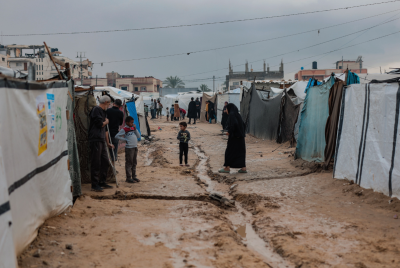
Local accounts describe sudden waves of displacement, with families fleeing in haste and roads becoming congested with civilians seeking safety further north. Humanitarian observers estimate that large numbers of people have already been displaced, with the figure rising as operations continue.
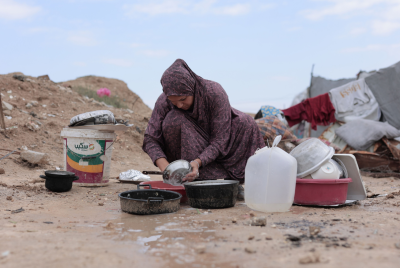
The scale of evacuation has raised concerns over the long-term stability of border communities, many of which have already experienced cycles of conflict and reconstruction over the years. Aid agencies warn that repeated displacement is pushing local infrastructure beyond its limits.
Resort and Civilian Infrastructure Damaged in Strikes
Among the most widely reported incidents is the destruction of Ark al-Malouk, a well-known resort and restaurant in Wadi al-Hujair. The site, which had gained recognition for supporting displaced families with meals during earlier phases of conflict, was reportedly destroyed in an airstrike.
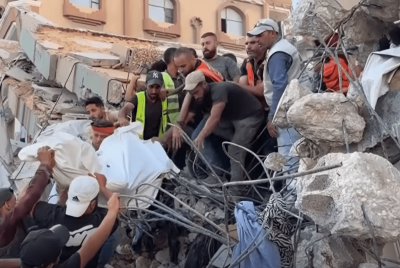
Images circulating from the aftermath show severe structural damage, with the establishment reduced to rubble. The loss of such civilian and community spaces has intensified outrage among residents, who say the strikes are erasing not only homes but also cultural and social landmarks.
Alongside resort damage, multiple villages have reportedly sustained heavy strikes, with residential buildings, farmland, and local infrastructure affected. The cumulative impact has deepened fears that the conflict is increasingly affecting non-military spaces, placing civilians directly in harm's way.
Territorial Control Claims
Military developments reported from the region suggest a widening operational footprint in southern Lebanon, with Israeli forces said to have crossed strategic boundaries and advanced into multiple areas. Reports indicate activity near key locations such as Zawtar al-Sharqiyah and Shoukine, with further movement closer to Nabatiyah.
Some accounts describe ongoing confrontations in border regions, alongside evacuation orders issued to several towns. These directives have contributed to mass civilian movement, as residents attempt to escape areas under active military pressure.
Analysts note that the reported advances represent one of the most significant escalations in the region in recent years, raising concerns about prolonged territorial instability and further displacement if operations continue to expand northward.
International Alarms Rise
The growing scale of destruction and displacement has drawn increasing international attention, with humanitarian groups warning of a deepening crisis affecting more than a million civilians. The combination of airstrikes, evacuation orders, and infrastructure damage has placed immense pressure on emergency services and aid networks.
Observers also highlight the broader regional implications, noting that continued escalation risks destabilising already fragile border areas. Calls for restraint and renewed diplomatic engagement have intensified, though on-the-ground developments suggest that military operations remain ongoing.
© Copyright IBTimes 2026. All rights reserved.
- Recommended For You