Netanyahu Orders Strikes On Beirut Suburbs As Hezbollah Ceasefire Collapses
The ceasefire collapsed after Israel said Hezbollah continued cross-border rocket and drone attacks, which it described as repeated violations of the truce.
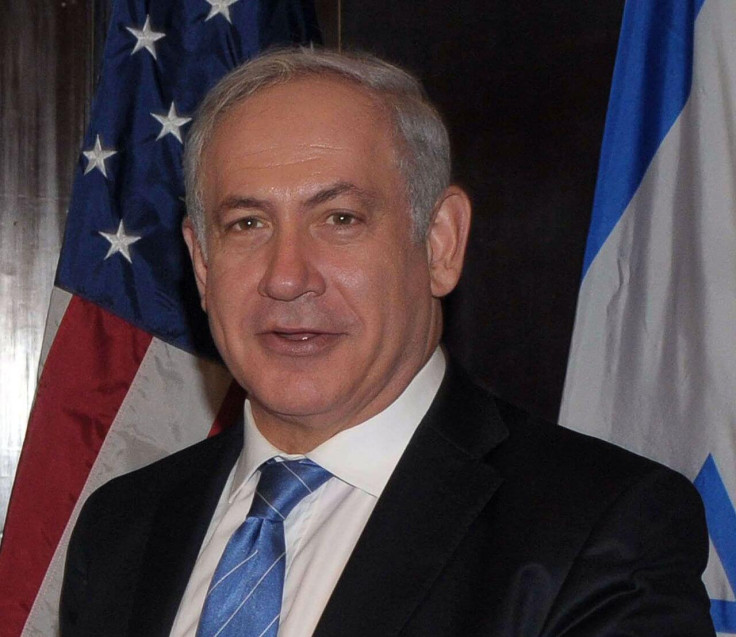
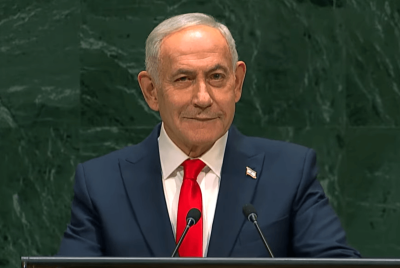
Israeli Prime Minister Benjamin Netanyahu has ordered the military to strike targets within the southern suburbs of Beirut, signalling a significant escalation in the ongoing conflict with Hezbollah.
The announcement on Monday, 1 June 2026, marks a sharp departure from the nominal ceasefire agreement established in mid-April. Israeli officials stated the action was a direct response to what they termed 'repeated violations' of the truce, including ongoing rocket and drone attacks directed at Israeli civilians.
The order, issued alongside Defence Minister Israel Katz, comes as both sides trade blame for the breakdown of diplomatic efforts. Dahiyeh, a densely populated stronghold of Hezbollah in southern Beirut, is now braced for potential bombardment. The move follows a weekend of intense fighting in southern Lebanon, where Israeli ground forces have reached their deepest points of incursion in over 26 years.
Israeli Prime Minister Netanyahu said he ordered troops to move further into Lebanon in the battle against the Iran-backed Hezbollah militant group, despite a ceasefire announced more than six weeks ago https://t.co/Dr5bJPEE2k pic.twitter.com/0wNSkBIrcR
— Reuters (@Reuters) May 31, 2026
Dahiyeh Braces For Impact As Civilians Flee
Following the Israeli government's warning, residents of Dahiyeh began an urgent exodus. Roads leading out of the southern suburbs were jammed with families attempting to escape the expected military strikes.
Israeli authorities have maintained that 'terror targets' within the district will not remain off-limits if cross-border fire continues. Defence Minister Katz stated that there would be 'no calm in Beirut' as long as the northern regions of Israel remained under threat. The Israeli military has already begun air operations in the vicinity, describing their actions as necessary to degrade Hezbollah's command infrastructure.
Netanyahu:
— AVSEC Pro (@avsec_pro) May 31, 2026
I instructed the IDF to expand the maneuver in Lebanon. Our forces crossed powerful obstacles. They seized commanding terrain and captured the Beaufort Ridge.
And now my instruction is to deepen and expand our hold on areas that were under Hezbollah control.
We are… https://t.co/qZ7v5lS8kI
Escalation Despite Diplomatic Deadlock
The sudden order for strikes underscores the failure of recent US-mediated negotiations. Military delegations from Lebanon and Israel met in Washington as recently as Friday, with United States officials attempting to broker a sequence of de-escalation.
The US proposal reportedly sought a clear trade-off: Hezbollah would cease all attacks on Israel, and in return, Israel would refrain from escalating operations in Beirut. However, officials noted that Lebanese Parliament Speaker Nabih Berri has rejected a piecemeal approach, insisting on a comprehensive ceasefire that compels an immediate end to all Israeli military operations. With no agreement reached, the window for a diplomatic off-ramp appears to be closing rapidly.
US officials have been involved in discussions with both sides, including Secretary of State Marco Rubio, Lebanese President Joseph Aoun, and Israeli Prime Minister Benjamin Netanyahu, to stabilise the situation.
A proposal reportedly being discussed would see Hezbollah halt attacks while Israel avoids further escalation in Beirut. But agreement remains fragile, with deep disagreement over who must act first.
Human Cost Of The March Conflict
The statistics from this conflict reflect a devastating humanitarian crisis. According to figures released by the Lebanese Health Ministry, more than 3,400 people have been killed across Lebanon since the conflict erupted on 2 March 2026.
The human toll has been compounded by mass displacement. Tens of thousands of civilians have been uprooted, with southern Lebanon and northern Israel experiencing constant disruption to daily life.
For the residents caught in the crossfire, the fragile truce—which had held in a limited capacity since mid-April—no longer offers a guarantee of safety. Instead, it has become a cycle of retaliatory strikes and counter-strikes that leaves communities in a permanent state of uncertainty.
The Path To A Wider War
As the fighting intensifies, international observers have warned that the conflict is moving into a more dangerous phase. Hezbollah, established by Iran's Revolutionary Guards in 1982, continues to launch salvos of missiles targeting infrastructure as far south as Tiberias.
Conversely, the Israeli military has carved out a self-declared security zone in southern Lebanon, aiming to physically shield northern communities from ground-based threats. With the diplomatic track in Washington stalling and military leaders on both sides signalling their willingness to expand the theatre of operations, the prospect of a controlled de-escalation is fading. The coming days will be critical in determining whether this latest turn signals a full-scale regional war or a final, desperate attempt to force a settlement.
© Copyright IBTimes 2026. All rights reserved.
- Recommended For You