Netanyahu's Reaction Emerges After Trump Reportedly Lashed Out and Called Him 'F*ing Crazy'
Reported phone call reveals discord between US and Israeli leaders amid escalating Middle East tensions.

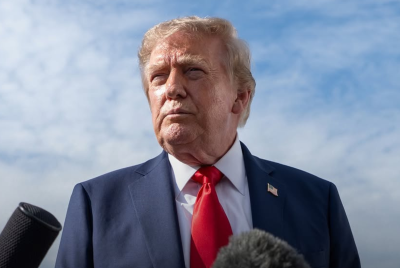
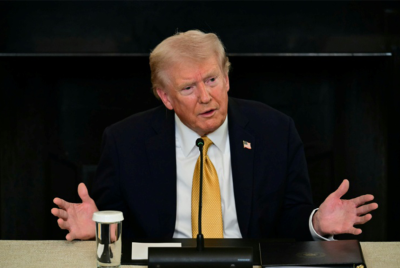
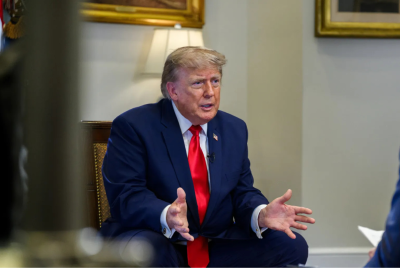
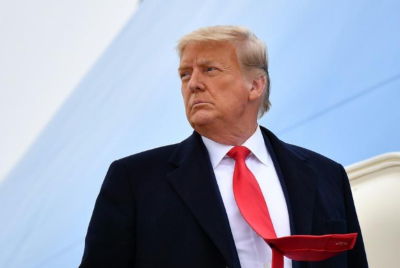
A reported phone call between US President Donald Trump and Israeli Prime Minister Benjamin Netanyahu has exposed fresh tensions between the two allies as fighting between Israel and Hezbollah threatens to widen.
According to multiple US officials cited by Axios, Trump erupted during a private conversation on 1 June, accusing Netanyahu of jeopardising diplomatic efforts in the region. Hours later, Netanyahu publicly reaffirmed Israel's readiness to strike Beirut if attacks continued, offering the clearest indication yet of how he responded to Trump's reported intervention.
Netanyahu Pushes Back at Trump's Reported Outburst
The reported exchange took place as Trump sought to prevent a major Israeli escalation in Lebanon.
According to officials briefed on the call, Trump reacted angrily to Israeli plans for deeper military action against Hezbollah, including potential strikes in Beirut. He reportedly accused Netanyahu of undermining efforts to calm the conflict and warned that Israel's actions were damaging its international standing.

Hours after the call, Netanyahu's office released a statement confirming the leaders had spoken but stopping short of addressing the reported remarks directly.
'I spoke this evening with President Trump and told him that if Hezbollah does not cease attacking our towns and our citizens, Israel will strike terrorist targets in Beirut,' Netanyahu said.
The statement appeared to challenge Trump's public suggestion that a halt in hostilities had been secured. While Israeli officials later indicated that immediate plans for strikes on Beirut had been postponed, Netanyahu stressed that Israel's military position remained unchanged.
Trump Claimed the Call Was 'Very Productive'
Despite reports of a heated confrontation, Trump publicly portrayed the conversation in far more positive terms.
Writing on Truth Social, the US president said the discussion had been 'very productive' and claimed Israeli troops heading towards Beirut had turned back. He also suggested both Israel and Hezbollah had agreed to stop firing.
'Let's see how long that lasts,' Trump wrote, expressing cautious optimism about a possible ceasefire.
The contrast between Trump's public comments and the reported private exchange has become a major focus of international coverage.
Why Trump Was Reportedly So Angry
The White House has spent weeks attempting to contain the growing Israel-Hezbollah conflict while also pursuing diplomatic talks with Iran.
US officials reportedly feared that a major Israeli strike on Beirut could derail those efforts and risk drawing more regional powers into the conflict. The situation became even more sensitive after Iranian officials threatened to close the Strait of Hormuz, a key global oil shipping route.
Concerns over a broader Middle East conflict briefly pushed Brent crude prices higher as markets reacted to the possibility of further escalation.
For Trump, avoiding a wider war supports his efforts to present himself as a dealmaker capable of restoring stability in the region. For Netanyahu, maintaining a hard line against Hezbollah remains politically important as he continues to navigate domestic pressure and ongoing corruption trials.
Furthermore, the reported clash fits into a broader pattern of occasional disagreements between Trump and Netanyahu despite their long-standing alliance.
As of 2 June, Israeli forces continued operations in southern Lebanon, while Hezbollah activity along the border remained active. No major strike on Beirut has taken place, but Israeli officials have not ruled one out.
© Copyright IBTimes 2026. All rights reserved.
- Recommended For You