

EU Hits X with £105 Million Fine and Orders Changes to 'Deceptive' Blue Checks
EU orders X to fix 'deceptive' blue checks under safety law
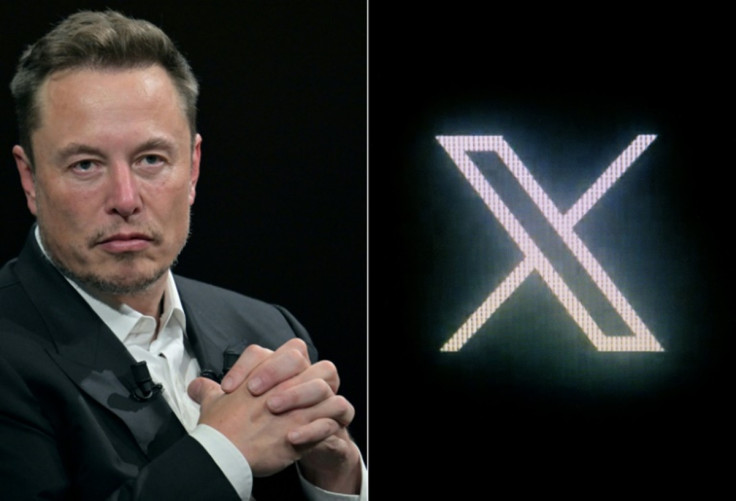
The European Union has fined X, the social media platform formerly known as Twitter, €120 million (approximately £105 million or $140 million) for breaching online safety rules. The European Commission ruled that the platform's 'blue check' verification system is deceptive because it tricks users into thinking accounts are trustworthy when they have merely paid a fee rather than undergoing any meaningful vetting process.
This marks the first major financial penalty issued under the EU's strict new Digital Services Act (DSA), a law designed to make the internet safer and more transparent by holding powerful platforms accountable for misleading practices.
Under the leadership of Elon Musk, X changed its verification system in 2022. Before this change, a blue tick meant that a person's identity had been checked and confirmed, typically for politicians, journalists, and celebrities. Now, anyone willing to pay a monthly subscription can get the badge regardless of their background, intentions, or credibility.
The EU findings state that this practice 'deceives users' and infringes on the law because it makes it difficult for people to make informed decisions about the authenticity of the accounts they interact with. The Commission noted that malicious actors have used these paid badges to scam users and impersonate others, creating confusion and undermining trust in online discourse.
Deadlines Set for Major Changes
Regulators have given X strict deadlines to fix these issues. The company has 60 days to alter its blue check system to ensure it no longer misleads users.
Additionally, X has been given 90 days to fix other violations, such as improving the transparency of its advertising data and giving researchers access to its public data. If X fails to meet these deadlines, it could face further daily penalties.
Advertising and Data Access Failures
Beyond the blue checks, the investigation found that X failed to maintain a searchable and reliable record of advertisements on its platform.
The DSA requires platforms to keep a repository of ads so that researchers can study risks like election interference or misleading campaigns. The Commission found X's current system has design features that hide information and act as barriers to transparency.
Furthermore, X was found to block eligible researchers from accessing public data, which is another requirement under the new European law.
Musk Reacts to the Ruling
Elon Musk has strongly criticised the decision. Following the announcement, he posted on X suggesting that the European Union should be 'abolished' and accused the Commission of offering a 'secret deal' to censor speech, a claim that EU officials have denied. The fine and the order to change the platform's design represent a significant clash between the tech billionaire's vision for his company and European regulations.
Context of the Digital Services Act
The Digital Services Act applies to 'very large online platforms' that have more than 45 million users in the EU. Its goal is to protect users from illegal content and ensure that tech giants are open about how their algorithms work. This ruling against X is seen as a test case for how effectively the EU can enforce these new rules against powerful global tech companies.
© Copyright IBTimes 2026. All rights reserved.