

FDA Completed Just 5% of Foreign Food Inspection Target as Imported Produce Flooded US Grocery Aisles
The FDA completed 1,024 foreign food inspections in 2025, far below Congress's 19,200 target, as imported produce dominates US diets
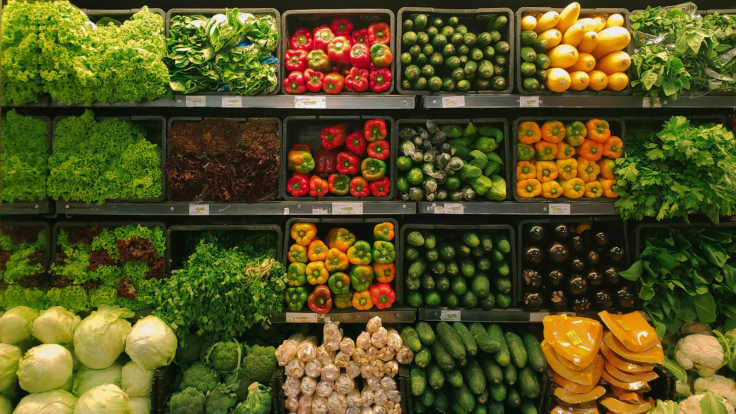
The US Food and Drug Administration conducted only about five per cent of the foreign food inspections that Congress set as its annual goal last year, even as Americans came to rely on imports for most of their fresh fruit.
A Washington Post investigation found the agency completed 1,024 foreign inspections in 2025 against a target of 19,200. Imports now account for 59 per cent of the fresh fruit and 34 per cent of the fresh vegetables eaten in the US.
The findings follow a summer in which an outbreak linked to Mexican lettuce sickened more than 12,000 people.
Inspections Fall Far Short of Target
The Food Safety Modernization Act, signed into law by President Barack Obama in 2011, sought to increase foreign food inspections to 19,200 a year. The FDA completed 1,024 in 2025, The Washington Post reported on Tuesday 27 October 2026.
The gap is starkest for fresh produce. Of the major foreign facilities responsible for 90 per cent of US fresh produce shipments, only 7.6 per cent have been inspected at least once by the FDA since 2009, according to a summary of the Post's findings by food safety lawyer Bill Marler.
Mexico, the largest supplier, has had about 2 per cent of its produce-shipping facilities inspected. Mexico supplies 96 per cent of imported berries, yet, according to the Post's analysis, the FDA has conducted 28 inspections of 3,321 major berry suppliers.
The agency has conducted 57 inspections across 398 major pepper suppliers and 14 across 198 suppliers of fresh herbs, the Post found.
Imports Now Fill US Shelves
Americans eat far more imported produce than they did two decades ago. Imports supply 59 per cent of the fresh fruit and 34 per cent of the fresh vegetables consumed in the US, up from roughly 46 per cent and 17 per cent respectively, according to the Post's findings.
Produce imports from Mexico have grown more than fourfold, reaching about £12.6 billion ($16.7 billion) last year.
Inspection numbers have been falling. Foreign inspections dropped during the Covid-19 pandemic, recovered in 2023 and then fell sharply again in 2025, the year the Department of Government Efficiency made cuts across federal agencies, Gizmodo reported, citing the Post's analysis.
On a one-year rolling average, the FDA's foreign inspection count stood at about 84 in June 2026, compared with 103 in June 2024 and 154 in June 2019, Gizmodo said.
DOGE has said no inspectors were fired. However, the cuts hit staff who handled travel and budgets, according to the Associated Press and ProPublica, as cited by Gizmodo. The outlet noted that the shortfall predates DOGE and reflects years of underfunding of food safety by Congress.
Outbreaks Expose Oversight Gaps
This summer's outbreak of cyclosporiasis, a parasitic intestinal illness that can cause prolonged diarrhoea, was linked to iceberg lettuce from Taylor Farms de Mexico. It sickened 12,883 people in 21 states, led to at least 570 hospitalisations and was linked to two deaths in Michigan, according to the Post's findings as summarised by Marler.
The FDA had last inspected those operations seven years earlier. A later investigation found Cyclospora in a wastewater tank and a drainage ditch, although that finding does not by itself establish how the lettuce was contaminated.
A separate Salmonella outbreak linked to jalapeños from Mexico sickened nearly 500 people. The FDA did not send an inspection team to the grower named as the likely source, which is in a region with cartel activity, the Post reported.
Public trust has slipped. Gallup found that 65 per cent of Americans are confident their food is safe, a record low and down from 81 per cent in 2019, according to Gizmodo. Only 47 per cent have confidence in the government to keep food safe, down from 68 per cent in 2019 and 85 per cent in 2004.
FDA Defends Its Oversight
The agency argues that inspection numbers do not tell the whole story. Donald Prater, the FDA's acting deputy commissioner for food, said 'inspections are not a good proxy for our overall oversight activities'.
Prater pointed to testing at the border, reviews of importers' records and the use of artificial intelligence. The Post noted, however, that only a small fraction of imported food is ever physically examined at the border.
Each foreign inspection costs about £29,000 ($38,700), according to a 2025 Government Accountability Office report, compared with roughly £10,500 to £21,000 ($14,000 to $28,000) for a domestic inspection, Gizmodo reported.
The FDA is seeking an extra £6.8 million ($9 million) for foreign inspections, along with authority to charge fees to foreign facilities that could raise about £53 million ($71 million).
Lawmakers have sent letters to federal agencies and to Taylor Farms. The office of Senator Susan Collins, who chairs the Senate Appropriations Committee, called the outbreaks 'troubling'. Representative Rosa DeLauro, the top Democrat on the House Appropriations Committee, described food safety as one of her 'highest priorities'.
Marler, who represents people sickened in food poisoning outbreaks, said Congress had otherwise been 'pretty silent' on the issue.
© Copyright IBTimes 2026. All rights reserved.