

Florida Pastor Convicted in Haiti President Assassination Plot Where Mercenaries Used US COVID-19 Funds
Christian Emmanuel Sanon was convicted on eight charges after prosecutors alleged COVID-19 business assistance funds helped pay foreign mercenaries
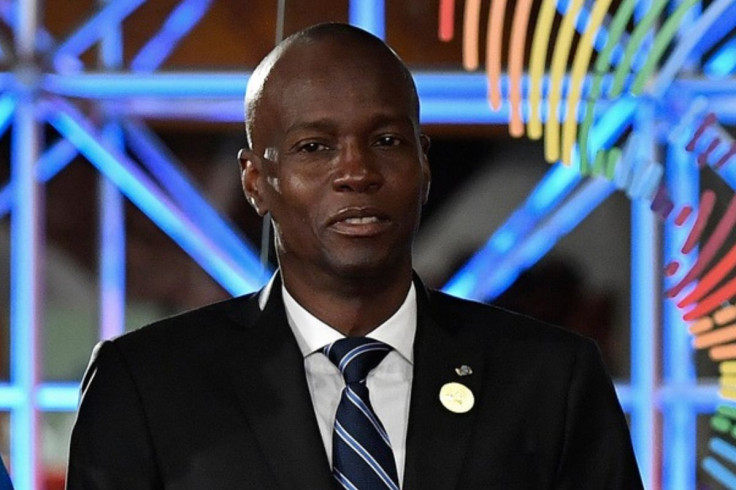
A Florida pastor has been convicted of conspiring to kill Haiti's president, Jovenel Moïse, in a plot prosecutors said was financed in part with US COVID-19 aid. The verdict was delivered in Miami federal court on Wednesday, 18 November 2026, according to the Associated Press.
Moïse, a businessman who had served as Haiti's president since February 2017, was shot and killed in a night-time raid at his home on 7 July 2021. He was 53.
Jury Convicts Sanon on All Eight Counts
The jury found Christian Emmanuel Sanon, a dual Haitian-American citizen, guilty on all eight charges, including conspiracy to kidnap or kill Moïse, according to the Associated Press. The Associated Press wrote that Sanon showed little emotion as the jury announced its verdict after a trial that lasted almost eight weeks.
He remains in custody and faces up to life in prison. He is due to be sentenced on 10 February 2027. His lawyer, Zeljka Bozanic, told The New York Times that an appeal was planned. 'We respect the jury's decision, but we strongly disagree with it.'
Prosecutors Say US Aid Funds Helped Finance the Plot
Prosecutors alleged that South Florida was the centre of a conspiracy to remove Moïse and install a successor. They identified Sanon, who moved from the US to Haiti as a teenager, as the plotters' preferred candidate at the outset. They also alleged that about two dozen foreign mercenaries were paid with funds obtained through US government COVID-19 business assistance programmes.
According to the Associated Press, the alleged scheme began to take shape in April 2021, when Sanon met a former Haitian senator and several US businesspeople. Investigators alleged that two Florida-based companies, collectively known as Counter Terrorist Unit, expected to receive government contracts in exchange for their support if Sanon came to power.
Two months later, the plotters allegedly decided that Sanon lacked the qualifications and support to become president and shifted their backing to Wendelle Coq Thélot, a former Haitian Supreme Court judge who died in January 2025.
Sanon testified that he had worked with churches in Haitian communities in Florida and the Midwest. He acknowledged communicating with people seeking to replace Moïse and stated that the group had turned to another candidate before the killing. He denied knowing of plans to kill the president.
The Aftermath of Moïse's Killing
The New York Times wrote that plans to install Coq fell through after the assailants in Moïse's killing were surrounded by Haitian police and shot. Moïse's death left Haiti without a leader, and armed gangs subsequently took control of most of Port-au-Prince. A United Nations-backed military force and more than 2,000 soldiers from El Salvador entered the country in an effort to restore stability, the newspaper wrote.
Sanon's trial was held separately from proceedings against four other defendants who were convicted of conspiracy-related offences last May, according to the Associated Press. The wider investigation has resulted in charges against more than 40 people, including five who are serving life sentences.
A presidential election is scheduled for next year. Martine Moïse, who was wounded in the shooting that killed her husband, has registered to run.
© Copyright IBTimes 2026. All rights reserved.