Trump's Support in Meltdown: 32% Approval Is Lowest Ever as Midterm Panic Grips the White House
Republican support slips to 73% as Iran war fuels cost-of-living anger
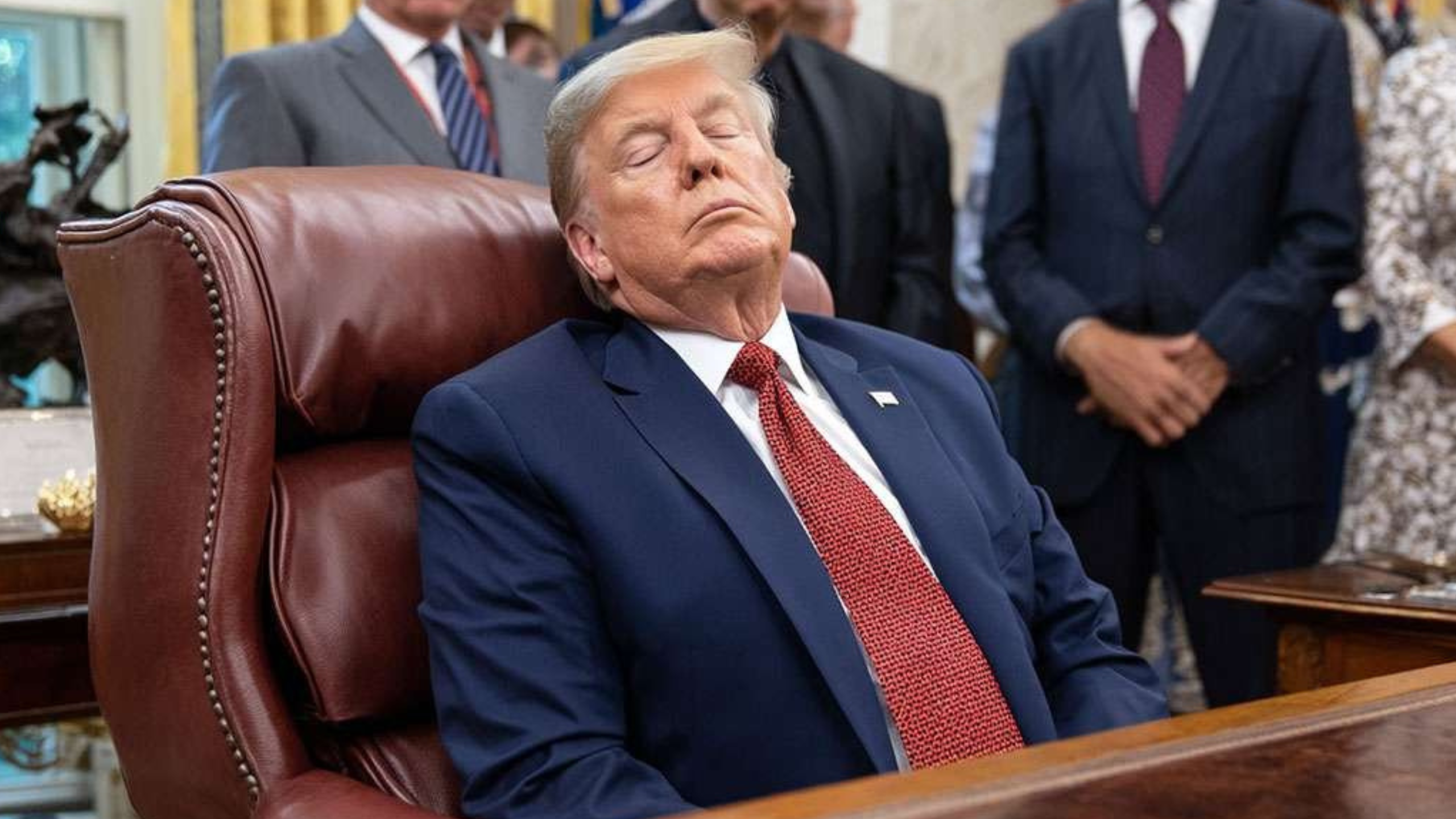
Donald Trump's approval rating has slipped to 32%, the lowest figure of his political career, according to a new Reuters/Ipsos poll, as his own Republican base cools on his handling of the cost of living during an unpopular war with Iran.
The four-day survey, which closed on Sunday, found overall approval down from 35% a week earlier. Support among Republicans dropped to 73% from 82% over the same stretch, a nine-point fall recorded seven weeks out from the 3 November midterm elections.
Just 17% of those questioned backed the president's handling of the cost of living, the issue voters most often name as decisive for how they will cast their ballots in November.
Trump returned to the White House in January 2025 on pledges to tame inflation and end foreign wars. In the hours after he was sworn in, the same pollster put his approval at 47%. It has fallen 15 points since.
A Career Low, Below Even His Predecessor
The reading sits beneath any figure Reuters/Ipsos recorded for Joe Biden, whose weakest number was 35%. It also undercuts Trump's own first-term floor of 33%, reached in December 2017.
For the first time in his second term, Republicans who disapprove of his cost-of-living record outnumber those who approve, by 51% to 44%.
The War That Reached the Pumps
Discontent has hardened since Trump ordered military action against Iran on 28 February, a conflict that has disrupted global oil supplies and pushed fuel prices sharply higher. The national average for regular petrol has climbed to about $4.44 (£3.32) a gallon, while diesel has struck record highs above $6 (£4.49), according to motoring group AAA.
Diesel has been the sharper shock, running roughly 64% higher than a year ago as supply routes across the Middle East seized up. It carries weight beyond the forecourt, powering freight, delivery fleets, and farm machinery, and feeding higher costs into groceries and everyday goods. Researchers at Brown University estimate the war has added more than $100B (£75B) in fuel bills for American consumers, or about $777 (£580) per household.
A fragile ceasefire took hold in the spring, but Iran has continued to disrupt shipping through the Strait of Hormuz, keeping prices elevated even as the fighting cooled.
Republicans spent years attacking Biden over prices at the pump and are now defending their own record on the issue. Early in the war, Trump described the higher costs as a 'very small price to pay' for global safety, and he has since blamed oil companies for the increases. He has told supporters that prices may not ease until after the midterms, while floating a $5,000 (£3,740) 'dividend' for adults if voters keep his party in charge of Congress.
A Polling Window Full of Turmoil
The four days of polling coincided with several notable moves at the White House. Trump barred three news organisations, CNN, MS NOW, and Politico, from the building and suggested the Kennedy Center could be demolished after a federal judge blocked his push to add his name to the Washington landmark, a memorial to assassinated President John F. Kennedy.
The Iran campaign itself drew thin support. About 34% of respondents approved of US strikes on Iran, while 82% said they expected the conflict to grind on. Trump has insisted oil prices will drop 'precipitously' once the United States prevails, a claim he repeated in recent days.
What It Means for the Midterms
Republicans are defending slim majorities in both chambers of Congress on 3 November, and control of the House and Senate for the next two years rests on the outcome. The poll found voters leaning away from Republican candidates, with the cost of living the issue most say will decide their vote.
The Reuters/Ipsos poll was conducted online and gathered 1,277 responses from US adults nationwide, with a margin of error of about 3 percentage points.
© Copyright IBTimes 2026. All rights reserved.
- Recommended For You