

Ghislaine Maxwell Shows Up Just to Say Nothing, Pleads the Fifth in Epstein House Probe
Convicted sex trafficker ends deposition in under an hour after invoking constitutional rights
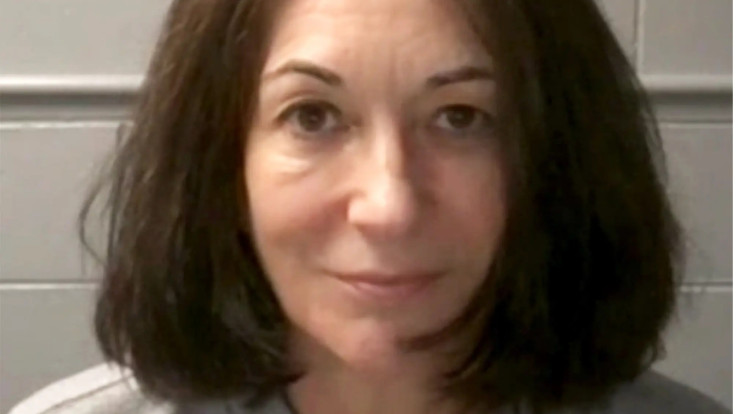
It took months to get Ghislaine Maxwell in front of Congress. The whole thing lasted less than an hour. On Monday morning, Jeffrey Epstein's convicted accomplice appeared virtually before the House Oversight Committee and did exactly what everyone expected—she said nothing. Not a single question answered. Just Fifth Amendment invocations, one after another, until lawmakers had no choice but to wrap things up.
Maxwell dialled in from a minimum-security federal prison in Bryan, Texas, where she's serving a 20-year sentence for sex trafficking. Her lawyer made it clear from the start: his client wouldn't be answering anything substantial. She'd be taking the Fifth. And that's precisely what happened.
Lawmakers Left Empty-Handed
Chairman James Comer didn't hide his disappointment afterwards. 'As expected, Ghislaine Maxwell took the Fifth and refused to answer any questions. This obviously is very disappointing,' the Kentucky Republican told reporters outside the closed-door session. He'd prepared questions about the crimes she committed with Epstein, about potential co-conspirators, about the network they built. 'We sincerely want to get to the truth for the American people and justice for survivors,' Comer said.
His Democratic counterpart wasn't any happier. Representative Robert Garcia put it bluntly: 'After months of defying our subpoena, Ghislaine Maxwell finally appeared before the Oversight Committee and said nothing.' He pressed further, asking who exactly Maxwell might be shielding. 'She answered no questions and provided no information about the men who raped and trafficked women and girls.'
Maxwell spent years as Epstein's right hand, recruiting and grooming underage girls for abuse. She knows names, faces, details that could crack open what really happened in Epstein's world of private jets and island estates. But on Monday, Congress got nothing.
A Long Road to Nowhere
Getting Maxwell to this point wasn't straightforward. The committee first slapped her with a subpoena back in July 2025. Her attorney, David Markus, pushed back immediately—Maxwell would only talk if she got immunity or clemency from President Trump. No deal, no testimony.
Getting Maxwell to this point wasn't straightforward. The committee first slapped her with a subpoena back in July 2025. Her attorney, David Markus, pushed back immediately—Maxwell would only talk if she got immunity or clemency from President Trump. No deal, no testimony.
During the session, Maxwell's team delivered some prepared remarks upfront, then she invoked her Fifth Amendment rights to every substantive question. Republican Representative Andy Biggs mentioned afterwards that Maxwell's lawyer claimed she has nothing indicating President Trump or former President Bill Clinton did anything wrong. Democrat Suhas Subramanyam saw that differently—he suggested Maxwell's selective willingness to clear certain political figures looked like she's angling for clemency from both sides.
She Talked to the Justice Department, Though
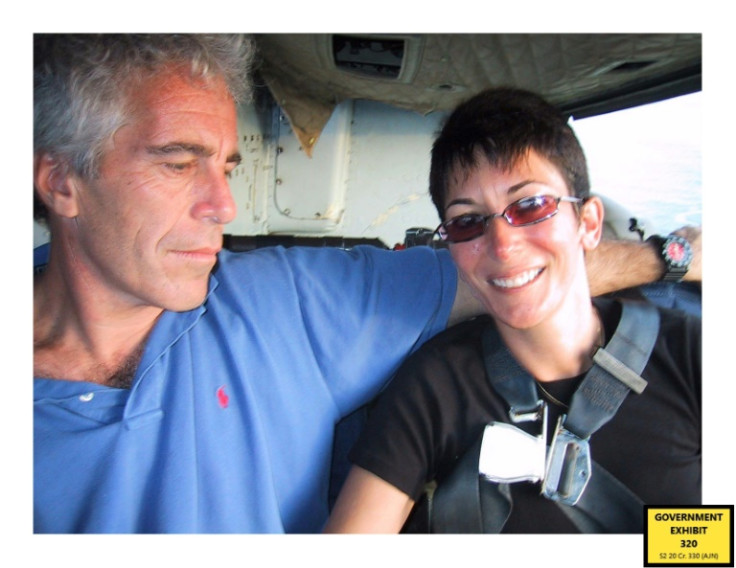
Maxwell had no problem sitting down with Deputy Attorney General Todd Blanche last July for two full days of questioning. She answered questions then. She talked about Epstein, about people in his circle, about what she knew. Of course, she'd been granted limited immunity for that conversation.
Right after those DOJ interviews wrapped up, something curious happened. Maxwell got transferred from a low-security facility in Tallahassee, Florida, to the cushier minimum-security camp in Texas where she is now. Democrats have been raising eyebrows about that move ever since. Garcia questioned why she received what looks like preferential treatment after cooperating with Justice while stonewalling Congress entirely.
Maxwell was found guilty in December 2021 of helping Epstein sexually traffic minors. Federal prosecutors proved she deliberately recruited and groomed young girls, setting them up for abuse. She's maintained her innocence throughout, insisting she's been made a scapegoat after Epstein killed himself in a Manhattan jail cell in August 2019.
The Investigation Rolls On
Maxwell's silence doesn't end the inquiry. Comer confirmed five more depositions are lined up as the committee digs deeper into how federal authorities bungled the Epstein case for so many years. Three of those witnesses come from Epstein's inner circle.
Billionaire Les Wexner, who bankrolled Epstein and gave him extraordinary control over his finances, is set to appear on 18 February. Epstein's accountant Richard Kahn and his lawyer Darren Indyke are also on the schedule. Then there's Bill and Hillary Clinton, who finally agreed to sit for depositions on 26 and 27 February after Congress started contempt proceedings against them.
Congress is now sifting through millions of pages released under the Epstein Files Transparency Act, which Trump signed last November. Many of those documents came out heavily redacted. Lawmakers have pushed back hard on that, arguing the public deserves to know the full truth. They've now secured access to unredacted versions, though what they'll find remains to be seen.
Maxwell exercised her constitutional right on Monday. That's her prerogative. But her silence means survivors, their families, and the public are still left wondering about the full scope of what Epstein built and who helped him do it.
Ghislaine Maxwell has made it abundantly clear that she will continue protecting pedophiles and sex traffickers until she is granted clemency by Donald Trump.
— Congresswoman Jasmine Crockett (@RepJasmine) February 9, 2026
She doesn’t care about the crimes that she has committed and is completely unremorseful.
We are not letting up. We…
© Copyright IBTimes 2026. All rights reserved.