Pam Bondi's No-Show in Epstein Probe Fuels Claims Her Exit Was Engineered to Dodge Testimony
Lawmakers threaten action after former attorney general dodges deposition tied to Jeffrey Epstein files controversy
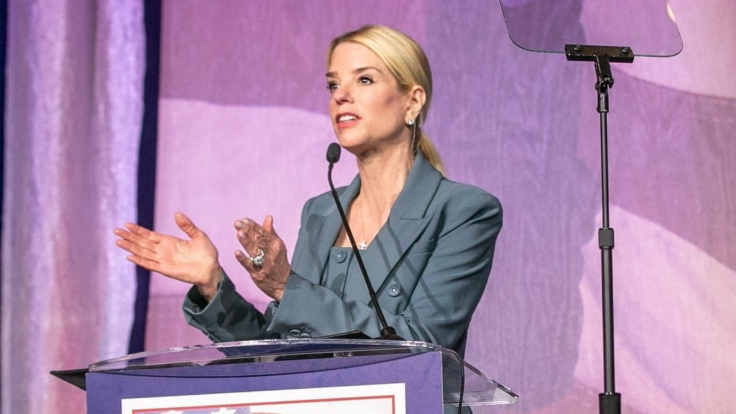
Questions are swirling in Washington after Pam Bondi's no-show in the crucial deposition in the investigation into Jeffrey Epstein sparks, with critics now alleging her sudden exit from office may have been carefully timed to shield her from scrutiny. The Department of Justice confirmed she would not attend, citing the fact she no longer serves as attorney general, a move that has only intensified accusations of a 'cover up.'
The Justice Department made it clear that Bondi's absence is primarily caused by her removal from office by Donald Trump. In a formal letter to the House Oversight Committee, officials argued that the subpoena compelling her testimony was issued in her official capacity as attorney general.
Since she no longer holds that role, the department suggested the legal basis for her appearance no longer applies. Assistant Attorney General Patrick Davis even went as far as requesting confirmation that the subpoena be withdrawn altogether.
However, that explanation has done little to calm critics. Instead, it has raised fresh suspicions that the timing of her dismissal may not have been coincidental, especially given the mounting pressure surrounding the Epstein files.
Pam Bondi will not appear for her upcoming deposition in the House Oversight Committee’s Jeffrey Epstein investigation given that she is no longer serving as the US attorney general, the Department of Justice said. https://t.co/4WV3wNVbKd pic.twitter.com/lKBWHC4WEo
— CNN (@CNN) April 8, 2026
Lawmakers Push Back and Demand Answers
Members of the House Oversight Committee, from both sides of the political divide, have made it clear they are not backing down. The committee had originally scheduled Bondi's deposition for April 14 after voting to subpoena her in a rare bipartisan move.
Lawmakers including Nancy Mace and Ro Khanna have insisted that her departure from office makes her testimony even more critical, not less. They argue that accountability cannot simply disappear because a public official leaves their post.
Democratic Congressman Robert Garcia went further, warning that failure to comply could trigger contempt proceedings. He said that survivors deserve answers and that Bondi must testify 'immediately.'
A spokesperson for the committee confirmed that efforts are already under way to contact Bondi's personal legal team in a bid to reschedule her testimony outside of her former official role.
Concerns have also been raised about redactions that allegedly shield powerful figures, as well as errors that risk exposing victims' identities. The handling of these sensitive materials has become a political flashpoint, with critics arguing that transparency has been deliberately limited.
Bondi, who previously defended the department's actions in earlier hearings, now finds herself at the centre of the controversy. Her oversight of the release process has been widely scrutinised, with some suggesting it played a role in her removal.
Biggest COVER-UP in history!! https://t.co/PsNsLSoFjc
— James Li (@5149jamesli) April 8, 2026
Claims of a 'Cover Up' Gain Momentum
The decision for Bondi to skip her deposition has fuelled a growing narrative that her exit was engineered as part of a broader effort to avoid damaging testimony. Online reactions have been fierce, with some branding the situation the 'biggest cover up in history.'
While there is no confirmed evidence supporting such claims, the sequence of events has provided ample fuel for speculation. Critics point to the timing of her dismissal, the legal argument used to block her testimony, and the ongoing controversy surrounding the Epstein files as reasons for concern.
The Justice Department has maintained that it remains committed to cooperating with congressional oversight. Yet for many lawmakers, that assurance rings hollow without Bondi's direct testimony under oath.
© Copyright IBTimes 2026. All rights reserved.
- Recommended For You