

GoPro Sold for $285M, Pivots to Military Tech Days After Markiplier Became Its Largest Shareholder
GoPro's financial struggles and strategic shift to defence prompted a sale amid declining revenue and layoffs
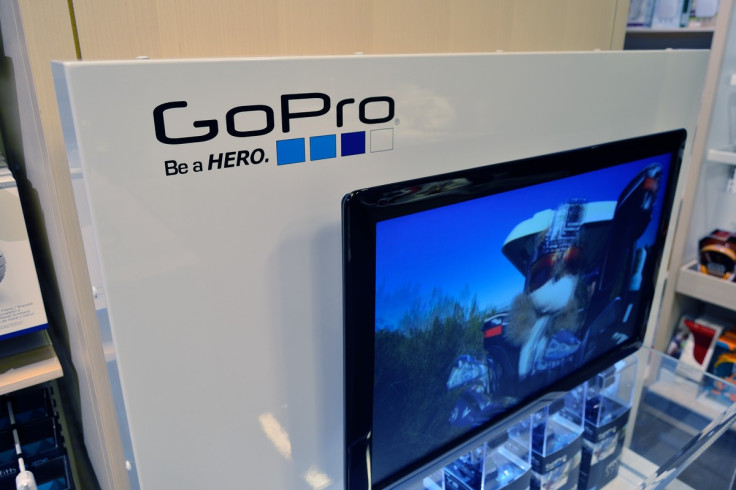
GoPro has agreed to merge with Starman Optical in a deal valued at $285 million (about £211 million). The agreement was announced one day after Bloomberg reported that YouTuber Markiplier had become GoPro's largest individual shareholder.
GoPro shareholders will receive $1.14 a share in cash, about 84p, subject to a possible adjustment for net working capital, and retain roughly 10% of the combined company. The combined business plans to expand into AI data-centre, government, defence, aerospace, and robotics markets.
What the Starman Deal Means for GoPro
GoPro's roughly $92 million (£68 million) of outstanding debt will be repaid in full when the deal closes. The company will remain listed on Nasdaq and continue its camera, subscription, and cloud businesses. Starman's parent will own about 90% of the combined company. Both companies' boards have approved the deal, which is expected to close by the end of 2026, subject to shareholder approval and regulatory clearance.
Starman Optical is a private US company that makes optical transceivers and other photonics technology. Optical transceivers convert data between electrical and optical signals, allowing networking equipment to transmit data using light. The technology is used in AI infrastructure and data centres, a market GoPro described as large and rapidly growing. Starman makes its products in the United States, while GoPro holds more than 2,500 US patents developed over 24 years.
Charles Tebele, chief executive of Starman Holding, which owns Starman Optical, said 'much of the critical hardware supporting these technologies continues to be manufactured overseas.' The companies want to bring more of that production to the United States. Nicholas Woodman, who founded GoPro and still runs it, said the merger will position the company to serve consumer, commercial, defence, government, robotics, and aerospace markets. Woodman controls about 63% of GoPro's voting power through the company's dual-class share structure, according to company filings.
Why GoPro Needed a Buyer
GoPro's revenue fell 31% to $104.9 million (£78 million) in the three months to June. The company also reported a $51 million (£38 million) net loss during the same period. GoPro said there was substantial doubt about its ability to continue as a going concern, while its auditor, PricewaterhouseCoopers, later included a similar warning in its report. GoPro is also cutting about 23% of its workforce, with the reduction expected to be substantially completed by the end of 2026.
GoPro's move towards defence work had been public for months. On 13 April 2026, the company said it had hired consultants Oliver Wyman to explore opportunities in the defence and aerospace sectors. On 11 May, GoPro said its board had begun a strategic process that could result in a sale or merger. The company had already received unsolicited approaches from defence, consumer, and financial firms, and on 13 May, it hired investment bank Houlihan Lokey to advise on the process.
Woodman said in May that GoPro had 'substantial unrecognised value' that could be unlocked through a sale. He also said the company had received interest from defence, consumer, and financial parties. These developments had been publicly disclosed before Markiplier's stake became known.
Where Markiplier Fits
Markiplier, whose legal name is Mark Fischbach, owns 13.5 million GoPro shares. That represents 8.5% of GoPro's publicly traded Class A shares, making him the company's largest individual shareholder based on the filing. His filing with the Securities and Exchange Commission is dated 20 August and says he held the shares as of 13 July, about seven weeks before the merger was announced. He filed a Schedule 13G and certified that he did not acquire or hold the shares to change or influence control of GoPro.
Fischbach told Bloomberg that the shares 'seem undervalued' and that he wanted GoPro to survive. He had also recently posted a review of GoPro's new Mission 1 camera. His stake became public on 31 August, when Bloomberg reported it, and GoPro shares rose about 46% on that trading day. GoPro announced its merger with Starman Optical the following day, on 1 September.
GoPro shares have since traded above the $1.14 offer price. The stock closed at about $0.60, or 44p, on 28 August, before rising following the disclosure of Markiplier's stake and the merger announcement. Reuters reported that shares traded around $1.33, roughly 98p, after the deal was announced, suggesting that trading above the offer price could indicate some investors expect a higher bid.
© Copyright IBTimes 2026. All rights reserved.
- Recommended For You


