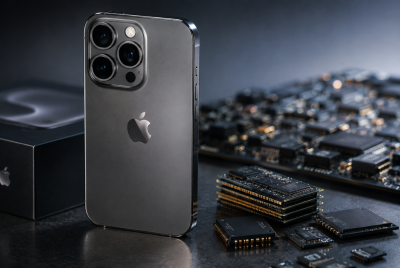
Apple Briefly Hits $5 Trillion: How Big Is $5,000,000,000,000 Really?
Nine months passed between the fourth milestone and the fifth, a pace no earlier step approached
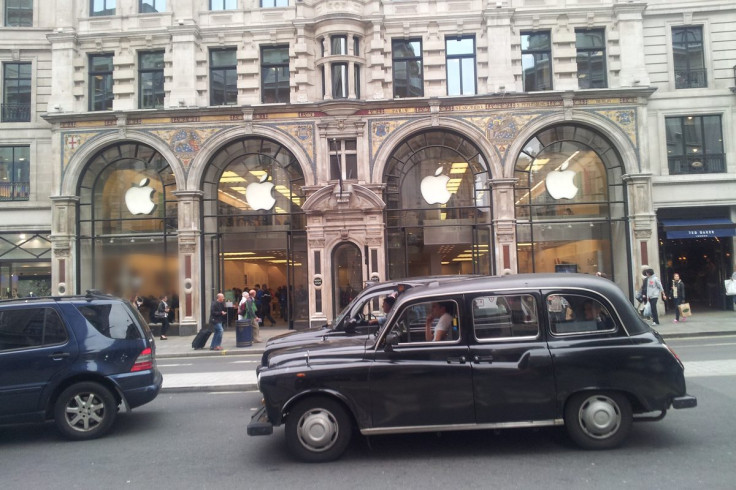
Apple's market value touched $5.036 trillion (£3.79 trillion) on Tuesday afternoon before slipping back, making it the second company in history to reach the level. Shares hit $342.89 at the session high, and the company ended the day just short of holding the mark.
The figure is easier to write than to picture. Five trillion is five million million, and the gap between that and any sum a person handles is wide enough that the number stops meaning anything.
Three comparisons make it land.
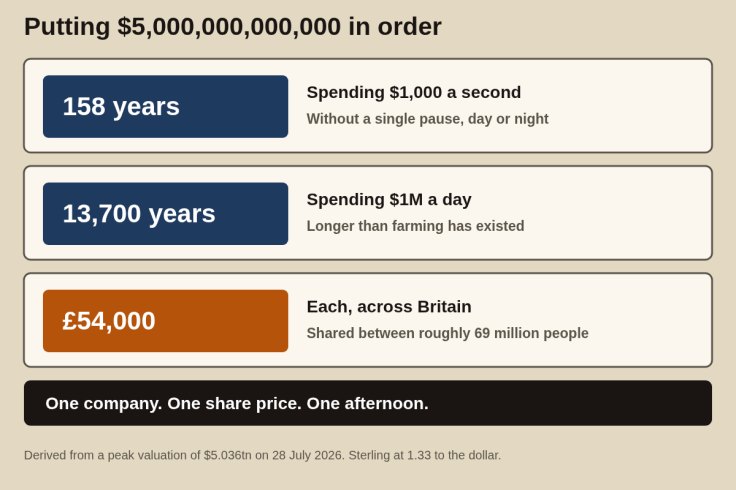
Spending £1,000 every second, without pausing to sleep, would take 158 years to run through it. At $1M a day, the money outlasts recorded history several times over. Divided between every person in Britain, it comes to roughly £54,000 each.
Those are illustrations rather than anything a company could do. Market value is what investors think the shares are worth on a given afternoon, not money sitting in an account.
How Long the Climb Took
Apple was the first company to reach $1 trillion, on 2 August 2018. Doubling that took two years exactly.
Then the pace changed.
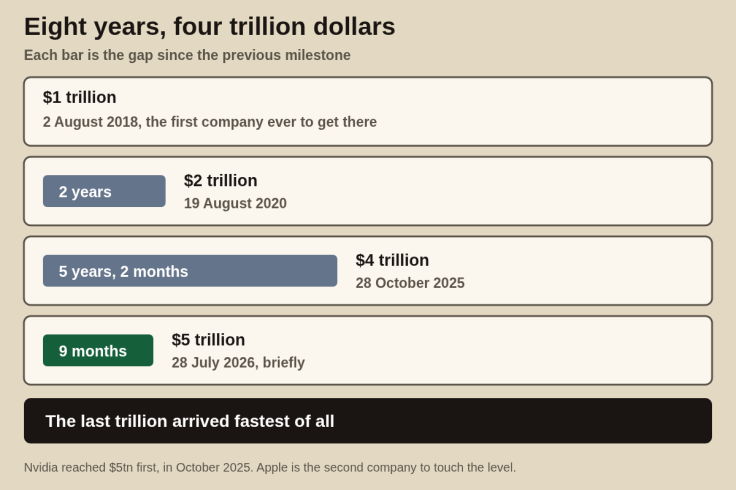
The step from $2 trillion to $4 trillion took five years and two months. The step from $4 trillion to $5 trillion took nine. Nvidia had reached the level first, in October 2025, on demand for the chips that train artificial intelligence (AI) models.
Apple got there by a different route, and the difference is the whole argument about what the company is now worth.
Why the Money Went There
Rivals including Alphabet, Amazon, Meta, and Microsoft are spending hundreds of billions between them on AI infrastructure this year. Apple has held its own capital spending down and bought in what it needed. A deal with Google now supplies the Gemini models behind an upgraded Siri.
That looked like a weakness for most of two years. The company delayed the features it had promised, and the assistant it demonstrated did not arrive on schedule. Investors have since decided the restraint looks like discipline, and the shares have moved accordingly.
The contrast with Nvidia sharpens the point. Nvidia sells the hardware that the spending buys, and reached $5 trillion first on that demand. Its shares have gained about 3% this year against roughly 25% at Apple. That gap is the market changing its mind about which end of the trade is safer.
What Comes Next
The milestone arrives days before a handover. Chief executive Tim Cook is expected to pass control to John Ternus on 1 September, and Thursday's results will be the last he presents in the role.
Costs are rising underneath all of it. A global shortage of memory chips, driven by the same AI build-out Apple has largely avoided, has pushed up prices on Macs and iPads. The company has started passing those increases to customers rather than absorbing them. On Tuesday it also launched a leasing programme in the United States that spreads the cost of a device across monthly payments.
The redesigned Siri is expected in beta later this year, alongside a new iPhone line and the company's first foldable handset. Whether those hold a $5 trillion valuation is the question the next chief executive inherits.
Disclaimer: Our digital media content is for informational purposes only and does not constitute investment advice. Please conduct your own analysis or seek professional advice before investing. Remember, investments are subject to market risks, and past performance does not guarantee future returns.
© Copyright IBTimes 2026. All rights reserved.
- Recommended For You