

ICC Seeks Four Taliban Leaders Over Alleged Persecution Linked to Rape, Torture and Murder in Afghanistan
The court says the crimes targeted women, girls, gender non-conforming people and Taliban policy opponents
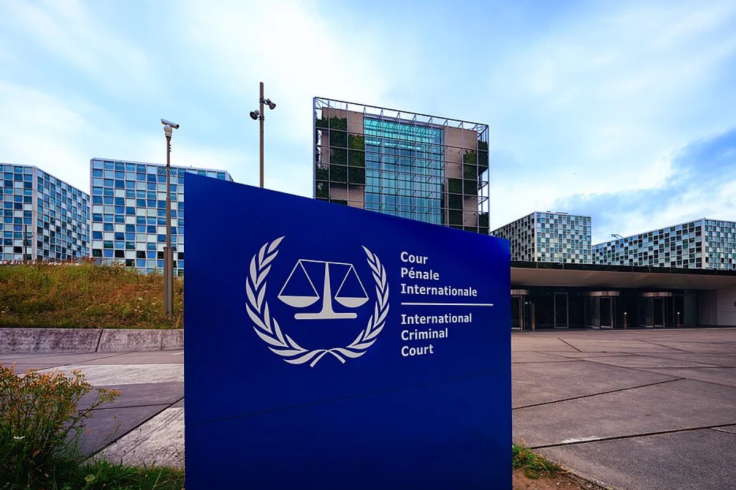
The International Criminal Court has disclosed arrest warrants for Taliban education minister Habibullah Agha and higher education minister Neda Mohammad Nadim over alleged persecution of women, girls and other targeted groups in Afghanistan. Their warrants were issued on 9 September 2025 but remained sealed until 5 October 2026.
Judges also unsealed the previously announced warrants for supreme leader Haibatullah Akhundzada and chief justice Abdul Hakim Haqqani. The court found reasonable grounds to believe all four men ordered, induced or solicited persecution as a crime against humanity. The warrants are not convictions, and the suspects are presumed innocent.
Persecution Allegations Cover Multiple Groups
ICC Pre-Trial Chamber II said the suspects implemented a policy that 'resulted in severe violations of fundamental rights and freedoms' of Afghanistan's civilian population, in connection with conduct including murder, imprisonment, torture, rape and enforced disappearance.
The warrants concern persecution under Article 7(1)(h) of the Rome Statute, rather than separate charges for each of those associated acts. The alleged crimes date from the Taliban's return to power on 15 August 2021 until at least 20 January 2025.
Under the statute, persecution means the intentional and severe deprivation of fundamental rights because of the identity of a targeted group.
Judges said that although some Taliban restrictions applied to Afghans generally, women and girls were singled out because of their gender. Through decrees and edicts, they were allegedly deprived of rights including education, privacy and family life, as well as freedoms of movement, expression, thought, conscience and religion.
The findings also concern people whose gender identity or expression did not conform with Taliban policies. Political persecution allegedly targeted people perceived as 'allies of girls and women', including those seen as opposing the policies through passive resistance or omission.
The Chamber said gender extends beyond a purely biological understanding of sex to include social roles and expectations associated with men and women. It also found that persecution can encompass systemic and institutionalised harm, including discriminatory social norms.
Afghanistan: The International Criminal Court @IntlCrimCourt has made public four arrest warrants against senior Taliban figures.
— UN News (@UN_News_Centre) October 5, 2026
The warrants accuse them of persecuting women and girls, which amounts to a crime against humanity.https://t.co/kGjwVVQikC
Warrant Dates and Sealing
The ICC Prosecutor applied for warrants against Akhundzada and Haqqani on 23 January 2025. Judges issued them on 8 July 2025, and the court publicly announced their existence that day while keeping their contents under seal.
The sealing was intended to protect victims and witnesses and safeguard the proceedings. The Prosecutor had also indicated that applications concerning other senior Taliban figures would follow.
The warrants against Agha and Nadim were issued on 9 September 2025. Their existence was disclosed through the decision to unseal all four warrants on 5 October 2026.
The four documents therefore concern warrants issued on two separate dates, rather than four newly issued warrants.
🚨 International criminal court ( ICC ) unseals arrest warrants for 4 Taliban leaders .
— Awais 🐺 (@awais4226) October 5, 2026
1: Haibatullah Akhundzada - Supreme Leader
2: Abdul Hakim Haqqani - Chief Justice
3: Neda Mohammad Nadim - Higher
Education Minister
4 : Habibullah Agha - Education Minister pic.twitter.com/hN5C5wMJGk
Afghanistan Falls Within ICC Jurisdiction
Afghanistan deposited its instrument of accession to the Rome Statute on 10 February 2003. The ICC says it can exercise jurisdiction over crimes covered by the treaty committed on Afghan territory or by Afghan nationals from 1 May 2003 onwards.
The judges' 'reasonable grounds to believe' assessment is the threshold applied at the arrest-warrant stage. It does not establish guilt or replace the evidence and procedures required for a conviction.
When the first two warrants were announced in July 2025, the Taliban rejected them and said it did not recognise the court's authority. That response concerned the warrants against Akhundzada and Haqqani, rather than a newly verified statement about the October 2026 disclosure.
Arrests Depend on State Cooperation
The ICC has no police force of its own and relies on states to arrest suspects and surrender them to the court. States parties have obligations under the Rome Statute to cooperate with its investigations and prosecutions, including through arrest-and-surrender procedures.
Those obligations do not guarantee that suspects will be detained. Publishing the warrants does not itself secure arrests or reverse the policies described in the allegations.
Responding to the first two warrants on 8 July 2025, Liz Evenson, international justice director at Human Rights Watch, urged governments to support their enforcement.
'The international community should fully back the ICC in its critical work in Afghanistan and globally, including through concerted efforts to enforce the court's warrants,' she said.
© Copyright IBTimes 2026. All rights reserved.