

Apple iPhone Duo 2 Release Date Rumours: Face ID, Triple Camera Leak and Possible 2027 Launch Details
Reports suggest Apple is testing prototypes for a possible 2027 successor, but the camera design and launch plans remain unconfirmed
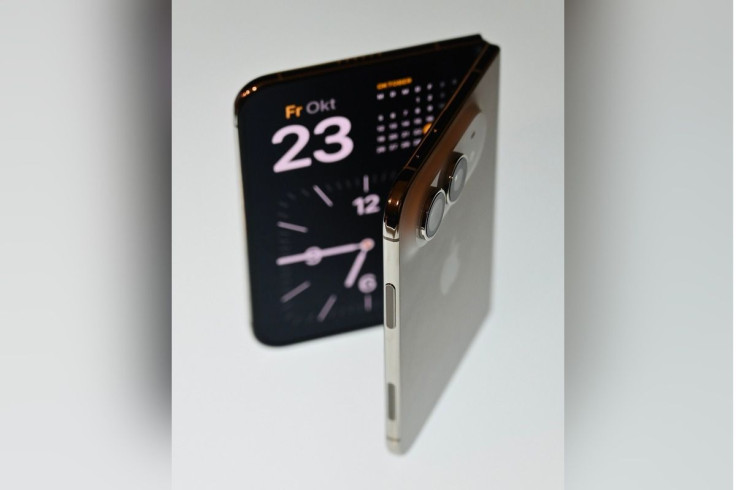
Apple's iPhone Duo 2 could arrive in the second half of 2027, with reports pointing to under-display Face ID and an unconfirmed triple-camera design that could address one of the first foldable's biggest hardware compromises.
The camera claim centres on an image showing an elongated rear module with three circular openings.
Notebookcheck reported on 3 November that the image was attributed to the X account @MajinBuOfficial, but said it could not independently verify its authenticity. The picture does not establish the lenses' specifications or prove it shows a finished prototype.
Take a closer look at this iPhone Duo 2 prototype. Keep in mind that this is only a prototype, and the design may still change before its expected launch next year. However, it gives you an idea of what Apple could be preparing for the future. 👀 pic.twitter.com/bwFfmmhuKo
— AppleBuu (@MajinBuofficia) November 3, 2026
iPhone Duo 2 Camera Leak Could Signal Telephoto Upgrade
The first-generation iPhone Duo has two 48-megapixel rear cameras: a main lens and an ultra-wide camera. Its main sensor provides an optical-quality 2x telephoto view, but the phone has no separate telephoto camera module.
If the third opening represents a dedicated telephoto lens, it could give the successor greater optical reach and bring it closer to rival foldables. It could also improve portraits and help preserve detail when photographing distant subjects. The image alone cannot confirm that interpretation, and Apple has not announced any camera changes.
Face ID Could Return in iPhone Duo 2
A more substantial report concerns biometric security. On his 22 October Power On podcast, Bloomberg's Mark Gurman said Apple was testing iPhone Duo 2 prototypes with Face ID sensors beneath the external display.
The feature is not guaranteed to reach the final product. Gurman said Apple had not decided whether it would ship, while the current iPhone Duo uses Touch ID built into its side button. Its thin design reportedly leaves limited room for Face ID's depth-sensing components. Moving the sensors beneath the display could preserve the clean exterior screen while restoring facial authentication.
Durability and Software Remain Key Challenges
The successor will also face pressure to address complaints about the first model. On 26 October, Apple acknowledged an inner-display issue affecting a small number of iPhone Duo units and advised affected customers to contact AppleCare for a replacement.
Repair specialist iFixit suggested that the hinge support bar might not drop far enough as the device closes, potentially creating a concentrated stress point beneath the display. Apple has not confirmed that explanation. It has also not disclosed how many devices have been affected, making it difficult to assess the scale of the problem.
Software is another test. Apple said on 6 November that more than 100,000 apps had been optimised for the iPhone Duo, but MacRumors identified popular services, including Google Docs, Google Sheets and DoorDash, that still lacked full support for its inner screen. The successor's appeal will depend in part on whether developers continue to adapt their apps. The growing number of optimised apps also shows that compatibility is improving, so today's gaps should not be treated as permanent.
iPhone Duo 2 Launch Date Still Unconfirmed
Bloomberg's reporting suggests a successor is being developed for a possible autumn 2027 release, but Apple has not announced a launch date. The camera image and Face ID prototypes should be treated as development clues, not final specifications.
The first iPhone Duo weighs 254g and starts at $1,999 (approximately £1,496) in the United States. A lighter design, more versatile cameras and improved durability would give Apple clear priorities for its next foldable. Its success may also depend on whether the larger display becomes genuinely useful across the apps people rely on every day.
© Copyright IBTimes 2026. All rights reserved.