Japan Smashes Record With 100K Centenarians but Economists Warn of Looming Crisis
Women make up nearly 88% of those aged 100 and over as Japan faces rising healthcare costs, pension demands and a shrinking workforce
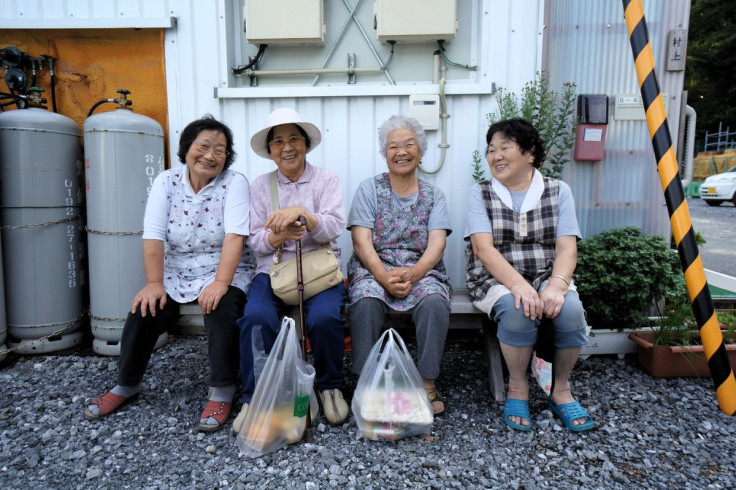
Japan has hit a new milestone in healthy ageing, with official figures showing 99,763 people aged 100 or over, as economists warn that a rapidly greying population is deepening pressure on the country's already‑stretched public finances.
The latest total, released ahead of Respect for the Aged Day, marks the 55th consecutive year Japan's centenarian population has risen, with women making up 87,784, or almost 88 per cent.
Experts have linked Japan's longevity to diet, physical activity and strong social networks. However, economists warn that an ageing population is putting more pressure on government finances as Japan's workforce gets smaller.
Diet and Daily Activity Support Longevity
Japan's long life expectancy has been linked to low obesity rates and fewer deaths from heart disease and some cancers.
Traditional Japanese diets often include fish, vegetables and soy, with less red meat and simple carbohydrates. Staying active through walking, public transport and exercises such as Radio Taiso may also help people stay mobile as they age.
Okinawa is known for its high number of older residents. One local practice is hara hachi bu, which means eating until you are about 80 per cent full.
Social groups called moai also provide long-term emotional, practical and financial support. Ikigai, or having a sense of purpose, has also been linked to longevity. Researchers have studied genetic factors such as the FOXO3A gene for possible links to living longer.
Women Outlive Men by Wide Margin
Women account for almost nine in 10 of Japan's centenarians. The gap has been linked to differences in obesity, smoking and heavy drinking rates, along with other lifestyle and health factors.
A Tokyo study of 304 centenarians found only five, or 2 per cent, were classed as 'exceptional', with strong physical and cognitive health. Meanwhile, 167, or 55 per cent, were classed as 'frail', while 76, or 25 per cent, were described as 'fragile' because of physical and cognitive impairments.
Economists Warn of Debt Spiral
Japan's public debt is about 207 per cent of GDP, the highest among advanced economies and roughly twice the G7 average. As the Bank of Japan moves away from near-zero interest rates, annual interest payments on government debt are expected to almost double between 2025 and 2031. Older bonds will need to be replaced at higher interest rates.
Japan reduced its primary deficit from 8 per cent of GDP in 2021 to an estimated 1 per cent in 2025. The improvement has been partly supported by temporary factors, including an effective 0.7 per cent borrowing rate on existing debt and higher tax revenues linked to inflation.
Japanese government bonds have an average maturity of around nine years. Economists expect debt pressures to increase as low-yield bonds are refinanced at higher rates, while spending on healthcare, pensions and long-term care rises.
Japan's shrinking workforce has contributed to shortages in facilities management, maintenance and caregiving. Property companies including Tokyu Land, Mitsui Fudosan and Mitsubishi Estate are investing in sensors, artificial intelligence, robotics and automated building systems to reduce the need for staff.
Registry Audit Raises Pension Fraud Concerns
A nationwide audit of family registries followed the discovery of Sogen Kato, who was believed to be Tokyo's oldest man at 111 before officials found he had died 32 years earlier. The review identified more than 230,000 people listed as centenarians who could not be accounted for, with many believed to have died decades earlier.
Officials pointed to weaknesses in municipal record-keeping, while the findings also raised concerns about pension fraud. Authorities suspected some families had failed to report deaths while continuing to receive payments.
Japan has traditionally marked 100th birthdays with a congratulatory letter and a silver sake cup from the prime minister on Respect for the Aged Day. With 52,310 people reaching the milestone in a single year, the cost of the silver cups became unsustainable. The government replaced them with cheaper alternatives.
© Copyright IBTimes 2026. All rights reserved.
- Recommended For You