

JD Vance Promises Trump Will End Iran War by 2028 as Fears Grow Over Another US 'Forever War'
The vice president promised a shorter conflict and "great results", while declining to specify when US involvement would end or what would constitute success
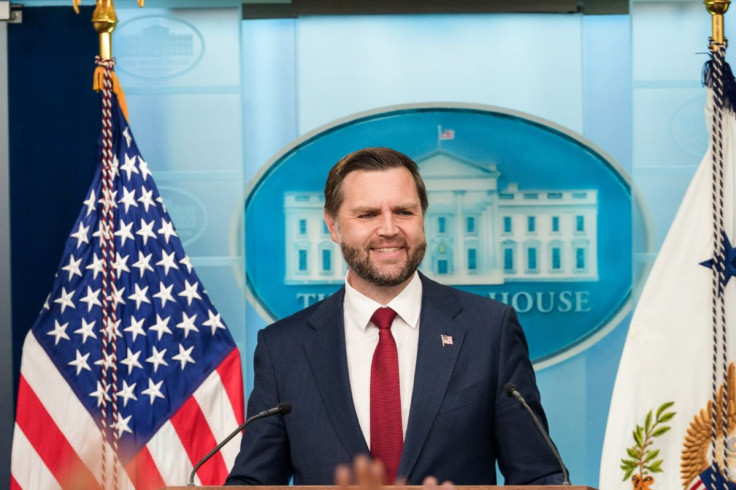
Vice President JD Vance said on Fox News on Monday, 16 November, that the Iran war would not become a 'forever war'. He said: 'We are not going to allow this to become a 10- or 15-year commitment, or frankly even a two-year commitment.' Vance also said President Donald Trump would get the country out of the conflict with 'great results'.
His remarks suggest that Vance does not expect the US commitment to last two years. However, he did not give a specific end date or say whether all hostilities would cease when US involvement ends.
Iran War Began With US and Israeli Strikes in February
The conflict began on 28 February 2026, when US and Israeli forces launched strikes on Iran. The Congressional Research Service says Iranian attacks subsequently hit targets in several countries.
Israeli strikes killed Iran's then-Supreme Leader Ali Khamenei, while US and Israeli operations significantly degraded Iran's military capabilities, according to the service.
Early Iranian threats and attacks on commercial shipping largely halted traffic through the Strait of Hormuz.
Some shipping has since resumed, but tanker movements have continued to face disruption and require security arrangements, including US and Gulf partner escorts. Attacks have also continued, the Associated Press reported on 12 November.
That leaves no clearly established endpoint. Trump has described the war as effectively over in military terms.
However, he has also threatened renewed strikes if mediation fails, the Associated Press reported on 12 November.
JD Vance's Iran War Assurances Follow Political Fallout
Vance was a lead US negotiator in efforts to pause the fighting. The United States and Iran signed a 14-point memorandum of understanding on 17 June.
It established a 60-day period for negotiations. The Congressional Research Service says the agreement collapsed amid renewed fighting and formally expired in August without a broader settlement.
The vice president's role became politically sensitive after the 3 November midterm elections.
Vance blamed the Iran war for Republican losses. He wrote on X: 'The reason we lost is the war.' Trump largely agreed that the conflict had affected the result, although he continued to defend the military action.
An AP Voter Poll found about six in 10 voters considered the US decision to take military action against Iran wrong. Only about one-third said the war was crucial to their congressional vote. Cost of living and government corruption ranked higher in the survey.
On 12 November, Trump directed Vance to shift his attention away from Iran. He told the vice president to focus instead on an anti-fraud campaign, the Associated Press reported.
The instruction came days before Vance's latest defence of the administration's approach.
Vance's comments offer reassurance about the expected duration of US involvement, not an exit strategy for the wider conflict.
He did not set conditions for ending military operations or explain what would count as success. Nor did he say how Washington would respond if diplomacy failed.
Trump and Vance's current terms do not end in 2028. Under the 20th Amendment, presidential and vice-presidential terms end at noon on 20 January. Their current terms are scheduled to end on 20 January 2029.
© Copyright IBTimes 2026. All rights reserved.