

Trump Admits Voters 'Didn't Like the War' as Iran Pushes for Concessions After Republican Losses
The US president defended military action while Tehran pressed Washington to halt strikes, ease sanctions and lift its naval blockade before broader negotiations
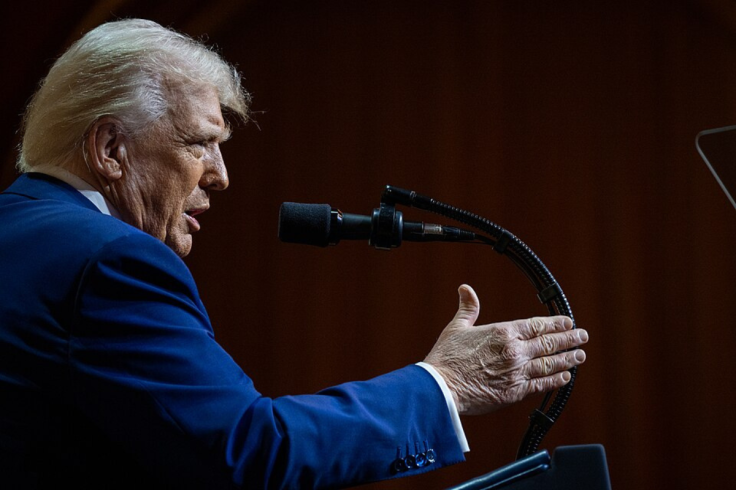
President Donald Trump acknowledged that voters 'didn't like the war' with Iran during a CBS 60 Minutes interview aired on Sunday, 8 November 2026, following Republican midterm defeats. His remarks came as Tehran pressed Washington for concessions in negotiations over the conflict.
Speaking to correspondent Ross Douthat at the White House on Friday, Trump said he did not disagree with Vice President JD Vance's assessment that the conflict contributed to Republican losses.
Yet he defended launching the attacks, saying he would make the same decision again. His answer was 'an emphatic yes'.
Iranian Foreign Minister Abbas Araghchi responded to the election result: 'American voters have made their choice. Time for the White House to make its own.'
Trump's Iran War Remarks Increase Pressure on Negotiations
In a separate Sunday interview with CNN's Jim Sciutto, Trump said renewed US strikes were 'highly unlikely' if Iran accepted a strong agreement. Negotiations concern Tehran's nuclear programme and the Strait of Hormuz, a critical shipping route.
Trump also told CBS he was 'not looking to' escalate the conflict. Neither statement was a ceasefire commitment. US forces remain positioned in the region, and Trump has not ruled out further military action.
Diplomatic activity has intensified since the 3 November elections, although significant differences remain. Qatar is circulating a draft framework between Washington and Tehran, according to CNN.
⛔️BREAKING: TRUMP ADMITS VOTERS DIDN’T LIKE THE IRAN WAR & THEY INCREDIBLY DISLIKE ISRAEL
— Dr.Sam Youssef Ph.D.,Ph.D.,DPT. (@drhossamsamy65) November 9, 2026
“The voters didn't like the war. They didn't like the fact that gasoline went up.
⛔️And there's a great dislike, incredibly, for Israel.”‼️ pic.twitter.com/rd9IdCrSYE
Reuters reported that Trump was due to meet Qatari Prime Minister Sheikh Mohammed bin Abdulrahman Al Thani in Washington on Monday, 9 November. Vice President Vance was expected to meet him separately.
Shipping has not completely stopped through Hormuz, but attacks on commercial vessels and opposing blockades have restricted traffic. Reuters reported further incidents in the Gulf this month, underscoring the risks while mediators pursue a settlement.
Iranian hardliners have interpreted the Republican defeats as an opportunity to demand more from Washington, CNN reported. Neither government has publicly accepted the other's central terms.
Iran's Demands Complicate Trump's War Exit Strategy
Iran has set seven preconditions for restoring broader access to Hormuz and beginning nuclear negotiations, according to CNN.
The complete list remains undisclosed. Reuters reported that Tehran's proposal would require Washington to halt attacks, ease sanctions and lift its naval blockade of Iranian ports before Iran relaxed restrictions on shipping. Nuclear talks would follow.
Tehran also wants frozen overseas assets released. CNN reported that Iran seeks compensation for the killing of former Supreme Leader Ali Khamenei and senior military commanders during the war's opening phase in February. That reported demand has not been independently confirmed.
The nuclear dispute remains difficult. CNN reported that the whereabouts of hundreds of kilograms of Iran's enriched uranium remain uncertain. Washington reportedly wants the stockpile diluted or transferred abroad, while Tehran maintains its nuclear activities are peaceful.
US Secretary of State Marco Rubio dismissed some Iranian demands as 'outrageous and ridiculous' on Sunday. He said negotiators were not 'on the verge of a breakthrough'.
Iranian Foreign Ministry spokesman Esmaeil Baghaei defended Tehran's two-day proposal on Monday, insisting sanctions, the blockade and fighting across the region must be addressed first.
Arab governments remain divided over any settlement that could expand Tehran's influence over Hormuz. With neither side ready to concede its principal demands, renewed fighting remains a possibility.
© Copyright IBTimes 2026. All rights reserved.