

Slower Sportswear Demand Could Force Heavier Discounts at Adidas and Puma in 2027, JPMorgan Warns
The bank expects tougher competition, weaker full-price demand and potentially heavier markdowns through 2027, while Puma faces an especially difficult turnaround
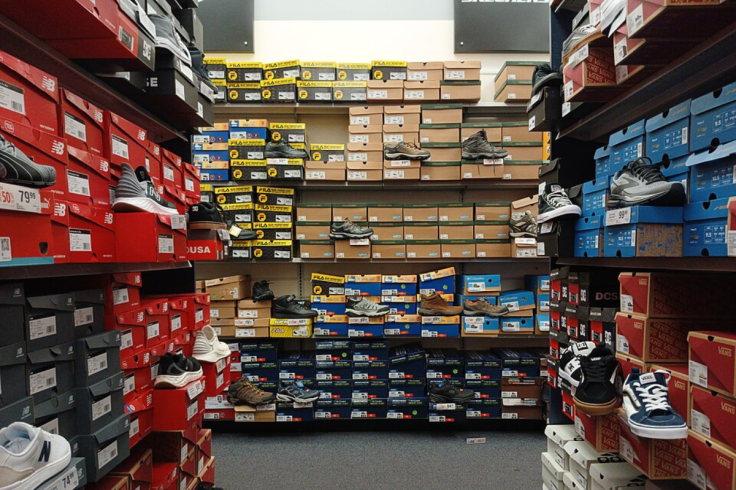
As the holiday shopping season hits full stride and 2027 approaches, shoppers on the hunt for bargains in trainers and athletic apparel may find their wishes granted.
On Friday, 27 November 2026, JPMorgan released a comprehensive sector outlook, warning European sporting goods markets of potential strains. Following the grand spectacle of the 2026 FIFA World Cup, the sector faces tough comparisons, with heightened promotional activities possibly squeezing profit margins. For bargain hunters, this could spell deeper discounts, but for brands, it signals caution.
Discounting Pressures Weigh on Adidas
JPMorgan analyst Chiara Battistini altered her stance on Adidas, downgrading it from 'Overweight' to 'Neutral' and adjusting the price target from €230 (£192) to €184 (£154), a 20 per cent reduction. Despite a triumphant third quarter boasting record revenues of roughly €7.3 billion (£6.1 billion) and an optimistic full-year operating profit forecast of €2.5 billion (£2.1 billion), there's uncertainty whether this surge can keep up once the World Cup-driven demand wanes.
November saw a notable increase in adidas.com discounting in the US and Britain, surging to 60–70 per cent, compared to August's 20–30 per cent. Analysts caution that such upticks in promotions could compromise fourth-quarter margins and reflect diminishing full-price demand. Entering 2027, Adidas might be compelled to introduce more significant markdowns across critical retail channels to manage stock effectively.
Moreover, Adidas's 2027 growth projection for apparel has been cut to 5 per cent, lagging behind the broader market consensus of 9 per cent. Sustained growth appears elusive without distinct expansions from flagship footwear lines such as Stan Smith, Hyperboost and Supernova.
Puma Faces a Steeper Turnaround Test
The situation is even more precarious for Puma. JPMorgan analyst Wendy Liu downgraded the brand from 'Neutral' to 'Underweight', lowering the price target to €21 (£18) from €26 (£22). Despite Puma's efforts to clear surplus inventory and refine operations, retailers remain apprehensive about dedicating shelf space to brands amidst turnaround efforts.
Third-quarter figures paint a stark picture, with currency-adjusted sales dropping by 6.3 per cent, coupled with rising expenses, underscoring the challenges in reinvigorating demand, particularly in North America and Europe.
JPMorgan's forecast positions Puma's 2027 adjusted operating profit at a modest €31 million (£26 million), starkly short of consensus predictions of €171 million (£143 million). Furthermore, operational costs are expected to rise rather than fall, exacerbated by inflation and increased direct-to-consumer spending.
Rival Brands Tighten the Squeeze
Adding to these internal hurdles, Adidas and Puma are under increasing pressure from competitive forces. A restructuring Nike and emerging brands like the Swiss running label On Holding are reshaping consumer preferences. As the sole sporting goods stock under JPMorgan's coverage to maintain an 'Overweight' rating, On Holding showcases shifting consumer interests towards brands demonstrating unique product energy and robust pricing leverage.
For consumers on the lookout for deals, the current climate of a cooling sportswear market, coupled with jam-packed retail environments, translates to frequent sales, wider online discounts and seasonal promotions. For investors, however, JPMorgan's assessment underscores a sobering reality: increased discounting as a strategy to retain market share often directly compromises profitability.
As we anticipate the future landscape of sportswear, brands like Adidas and Puma must navigate these challenges with foresight and innovation, while savvy shoppers prepare to capitalise on the discounts the industry's evolution might bring.
© Copyright IBTimes 2026. All rights reserved.