

Judge Refuses To Toss Trump's $10B BBC Suit While Network Says He Skipped Deposition for Campaigning
A courtroom victory keeps Trump's BBC lawsuit alive, but questions over his testimony and alleged damages remain unresolved
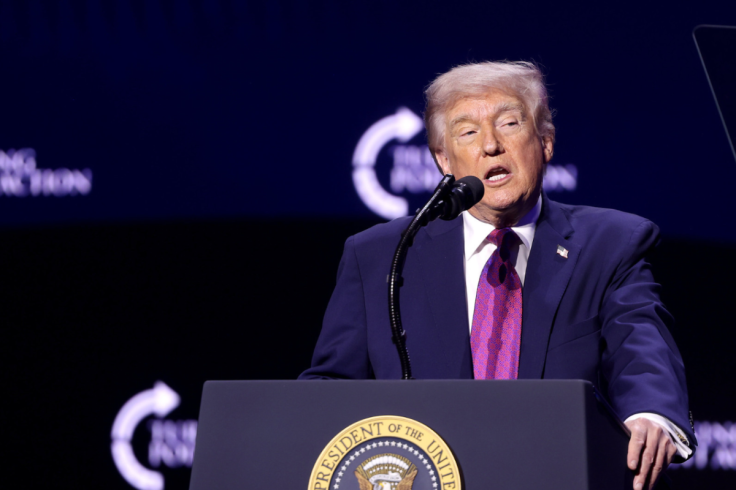
President Donald Trump's BBC defamation lawsuit can proceed in Florida after a federal judge rejected the broadcaster's dismissal bid on Tuesday, 10 November 2026. However, the judge dismissed a separate consumer-law claim, leaving Trump with a partial victory.
The case concerns a BBC Panorama documentary, Trump: A Second Chance?, broadcast on 28 October 2024. Trump estimates his damages at approximately $10 billion, but the court has made no award. The broadcaster apologised for its editing of his speech and denies that it defamed him.
A separate dispute over Trump's testimony is also unresolved. He faces an 11 December deadline to answer questions under oath after cancelling a deposition scheduled for October.
Why Trump's BBC Defamation Lawsuit Can Proceed
US District Judge Jeffrey T. Kuntz concluded that Trump's allegations were sufficient to survive the BBC's request for dismissal. His 10 November order did not determine whether the broadcaster committed defamation or caused the damage Trump alleges.
The documentary joined separate passages from Trump's speech on 6 January 2021, before his supporters attacked the US Capitol. Remarks about walking towards the Capitol were combined with words spoken nearly 55 minutes later, including 'fight like hell'.
The disputed segment omitted Trump's instruction that supporters should make their voices heard 'peacefully and patriotically'. The editing made the remarks appear to form one continuous statement.
BBC chair Samir Shah acknowledged the problem in correspondence with MPs on 10 November 2025. He apologised for an 'error of judgement', accepting that the edit suggested a direct call for violent action. The BBC subsequently apologised to Trump but maintained that the mistake did not amount to defamation.
Kuntz found that Trump's allegations plausibly met the US legal requirement of 'actual malice'. To succeed, Trump must prove the BBC published a false statement knowing it was false or with reckless disregard for the truth.
That finding concerned the adequacy of Trump's allegations, not proof of wrongdoing. The judge also dismissed his claim under Florida's Deceptive and Unfair Trade Practices Act, ruling that the documentary was editorial rather than commercial speech.
Trump called the decision a 'Huge Victory' on Truth Social. The BBC said it was surprised but respected the ruling and remained confident in its position. Its response to the surviving claim is due by 1 December.
Deposition Dispute Adds Pressure to Trump's BBC Defamation Lawsuit
US Magistrate Judge Enjoliqué Lett ordered Trump to attend a deposition by 11 December after his lawyers cancelled questioning scheduled for 16 October. They cited 'matters of national importance'.
BBC lawyer Charles Tobin argued that Trump had prioritised political campaigning over his deposition. The president attended a rally in Dalton, Georgia, that day, although the rally alone does not establish why he cancelled.
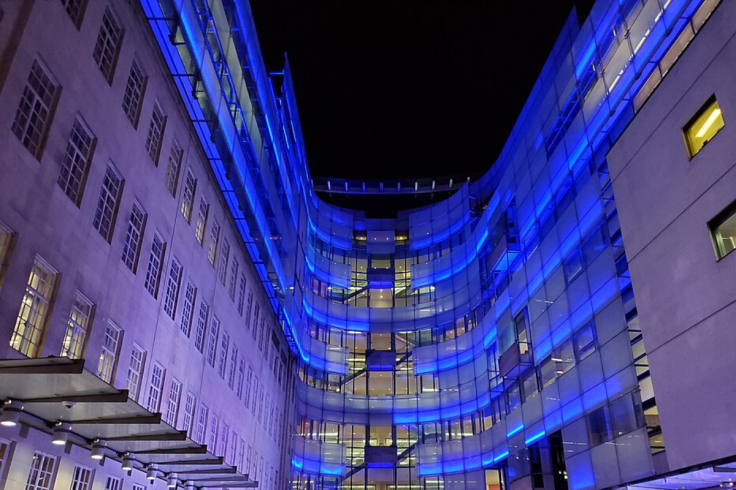
Trump's lawyers disputed the suggestion that he was avoiding questioning. They proposed a new window from 11 to 22 January 2027, beyond the existing December deadline.
Lett warned that failure to comply could bring sanctions, potentially including dismissal of the lawsuit, unless the discovery timetable is extended.
The BBC also disputes whether the documentary reached American audiences. Trump's lawyers acknowledged gaps in evidence concerning some proposed US distribution routes. However, Kuntz found sufficient alleged links to Florida for the case to remain there.
A July court order allowed the BBC to seek financial records from Trump's trust. The documents could bear on the reputational and economic losses he says the broadcast caused.
© Copyright IBTimes 2026. All rights reserved.