

DOJ Lacks Resources 'At This Juncture' To Defend Dozens of Weekly Ice Detention Challenges in Washington
A DOJ letter outlines selective representation as dozens of weekly ICE detention petitions strain attorneys in Washington
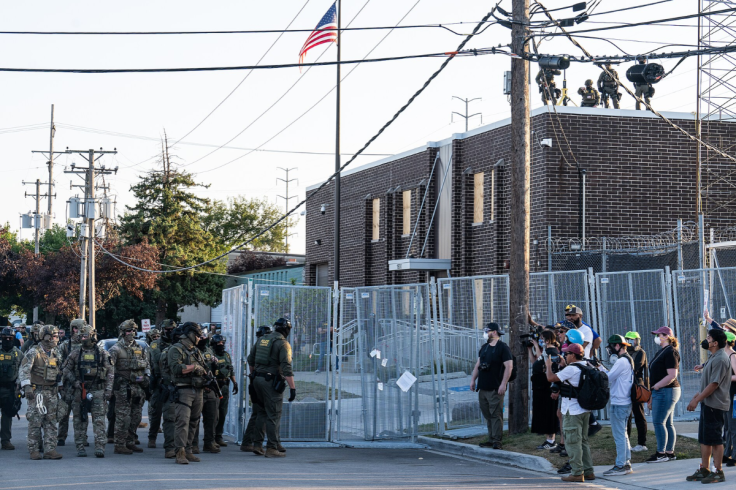
The Justice Department's office in the Western District of Washington reportedly outlined a selective approach to defending ICE detention challenges in a letter dated 26 October, citing insufficient resources to appear in every case as dozens of petitions arrive each week.
The cases concern people contesting their confinement under President Donald Trump's immigration enforcement policies. Through habeas corpus petitions, detainees seek judicial review of their detention by Immigration and Customs Enforcement, known as ICE.
The reported account identifies Charles Neil Floyd as the acting US attorney who wrote the two-page letter to Chief US District Judge David S. Estudillo.
Floyd outlined how the office would continue to review incoming petitions while selecting which cases would receive direct government representation.
Justice Department Office Cites Pressure on Attorneys
'The USAO unfortunately does not have the available resources, at this juncture, to continue entering AUSA appearances in every one of the dozens of § 2241 Immigration Petitions filed each week,' Floyd wrote.
The resource shortage described in the letter concerns the attorneys responsible for responding to those petitions. Floyd linked the volume of immigration litigation to the demands of examining individual cases and preparing the government's legal responses.
That work extends beyond an initial filing. According to the account of the letter, Floyd cited the time required to investigate petitions, file status reports, respond to motions and comply with court scheduling orders.
He also reported that the growing detention caseload had affected the office's ability to respond to unrelated civil litigation involving the federal government. His explanation placed the demands of immigration cases within the office's wider workload.
When the Justice Department Does Not Appear
Under the procedure Floyd described, judges may assume the government will not submit a response if prosecutors have not entered an appearance within seven court days of a standard scheduling order.
The court could then decide the petition on the documents submitted by the detainee. The procedure therefore sets out when a judge may proceed without a government response, while leaving the decision on the petition to the court.
An unanswered petition does not guarantee release. Nor does the absence of a government appearance automatically mean the detainee wins. The court would still decide the challenge to confinement.
The Justice Department also reserves the right to enter proceedings later if officials determine that intervention is necessary. A decision not to appear at the outset would therefore not prevent government attorneys from subsequently participating.
Floyd's description distinguishes between reviewing a petition and appearing in court to defend the detention. The office would continue reviewing incoming petitions, while its attorneys would no longer automatically appear in each case.
Justice Department Office Outlines Expected Benefits
Floyd presented the revised approach as a means of conserving government resources and expediting the resolution of many immigration habeas petitions. He also expected it to provide judges with greater discretion, according to the reported account.
Those expectations do not establish the procedure's results. The report does not indicate whether the approach has accelerated cases or how many detainees have been released under it.
The policy described applies to the Western District of Washington. The letter does not establish a nationwide Justice Department directive.
Where judges issue release orders, the court may send them directly to the Northwest ICE Processing Center under the process described in the letter.
© Copyright IBTimes 2026. All rights reserved.