

'Unable To Manage Fridges': Iran's Foreign Minister Mocks France Over Supermarket Cyberattack Claims
Tehran denies responsibility for attacks that allegedly disrupted refrigeration systems at more than 700 French retail sites and caused food losses and fires
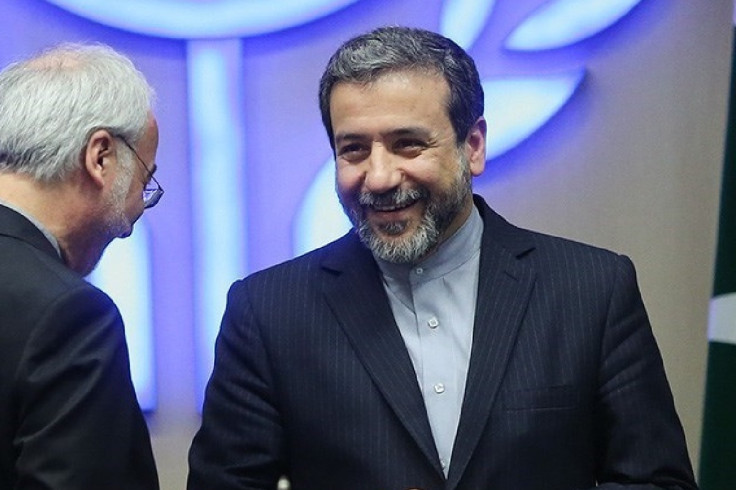
France says an Iranian military-linked unit sabotaged refrigeration systems at more than 700 retail sites, as Tehran's foreign minister mocked Paris as 'unable to manage fridges'. Iran denies involvement.
French Foreign Minister Jean-Noël Barrot first publicly accused Iran on Monday, 9 November.
The following day, France issued a formal statement attributing the attacks, carried out overnight on 11–12 October, to Shahid Kaveh, a unit affiliated with the Islamic Revolutionary Guard Corps (IRGC).
Tehran Rejects France's Allegations and Hits Back at Paris
'Unable to manage fridges let alone addressing grievances of its people, French government is shifting blame for its failures onto others,' Araghchi wrote on X. He also criticised French policy towards Gaza, turning a dispute over cybersecurity into a broader diplomatic confrontation.
Iran's foreign ministry separately rejected what it called 'baseless and one-sided' accusations. It condemned France's 'hackneyed policy' of blaming Tehran for alleged cyber activity and accused Paris of diverting attention from its own governance failures.
Unable to manage fridges let alone addressing grievances of its people, French government is shifting blame for its failures onto others.
— Seyed Abbas Araghchi (@araghchi) November 10, 2026
Yes, Iran is powerful. But unlike France, we do not exercise power via support for massacres in Gaza or bombings of schools and hospitals. https://t.co/CDGikenZk2
The ministry said Iran would take measures it considered necessary to protect its interests and security from unlawful foreign actions.
Its statements did not offer a technical explanation for the refrigeration failures or address the evidence cited by French investigators.
France's cybersecurity authorities say their attribution rests on an investigation into the methods and infrastructure used in the attacks.
They linked Shahid Kaveh to operations conducted through groups presenting themselves as independent hackers.
France Seeks EU Response After Supermarket Disruption
The alleged October sabotage raised temperatures in commercial refrigerators and freezers, forcing businesses to discard spoiled products. French authorities said the disruption also sparked at least 15 fires and affected butchers' shops and food-processing facilities, as well as supermarkets.
The French government described the campaign as unprecedented in its scale and its focus on causing physical damage rather than stealing information.
Investigators said attackers manipulated connected refrigeration controllers, raising temperatures and prolonging defrost cycles beyond normal settings. These changes left perishable goods unsuitable for sale.
Retail chains identified in reporting included Carrefour, Monoprix, Intermarché, Coopérative U and E.Leclerc. Refrigerated food had to be removed from sale, while operators faced damaged equipment and the cost of restoring normal operations.
Similar refrigeration-system incidents were reported in at least 11 European countries in early November. Although they followed the French attacks, authorities have not publicly established that the same group was responsible for every case.
French officials also cited earlier cyber operations they attribute to Iranian-linked actors, including an attack on satirical magazine Charlie Hebdo in 2023.
They also pointed to activity affecting preparations for the Paris 2024 Olympic and Paralympic Games. Cybersecurity authorities have linked those incidents to a separate unit, Shahid Shoostari.
France summoned Iran's ambassador on Tuesday, while Barrot sought further European sanctions. He warned that Paris would not rule out additional measures, including undisclosed actions, provided they were proportionate to deterring further attacks.
On Tuesday, the European Commission expressed solidarity with France and said it stood ready for a 'swift and united response' pending discussions with member states. It acknowledged France's attribution to Iran without independently confirming it or announcing new sanctions.
© Copyright IBTimes 2026. All rights reserved.