

ICE Custody Deaths Need National Attention as Detention Mortality Rates Rise in the US
Two ICE detainee deaths in 24 hours spotlight rising US detention mortality and questions over media scrutiny and oversight
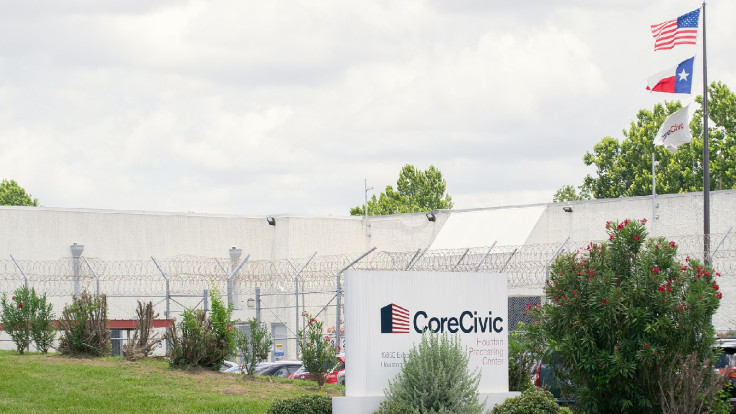
Two deaths in US Immigration and Customs Enforcement (ICE) custody within 24 hours in October 2026 have intensified scrutiny of detention conditions, as rights groups warn that mortality rates in immigration facilities are rising faster than the detained population.
Luis Sandoval died at a facility in Georgia, while Guillermo Pascual Verganza died in California. Both cases remain under investigation.
The deaths followed growing concerns about medical care and mortality rates across US immigration detention facilities.
In June, Human Rights Watch reported that fatalities had increased disproportionately to the growth in the detained population.
A Daily Kos report published on 1 November questioned whether deaths in detention were receiving sufficient national attention. The publication cited 57 fatalities since President Donald Trump returned to office in January 2025, although that figure was not independently verified.
Two Deaths, Sparse Coverage
Sandoval, 48, died at the Folkston D. Ray ICE Processing Center in Georgia on 23 October. According to an ICE announcement, staff found him with a ligature around his neck at approximately 1.46am.
Emergency personnel attempted lifesaving measures, but Sandoval was pronounced dead at 2.28am. ICE said an investigation was underway and an autopsy would determine the official cause and manner of death.
The following day, Verganza, 43, was found unresponsive in an assigned safety cell at the Otay Mesa Detention Center in California. ICE said medical personnel attempted resuscitation before he was pronounced dead at approximately 12.23pm.
Reporter: There are reports of a 75 year old Cuban national who died in ICE custody. He had lived in the US for 60 years.
— Acyn (@Acyn) June 30, 2025
Homan: I’m unaware of that. People die in ICE custody. People die in jails and state prisons… The question should be how many lives does ICE save because… pic.twitter.com/jPJavc73yV
The Guatemalan national was initially identified by ICE as Roberto Jimenez Gutierrez. However, the San Diego County Medical Examiner's Office subsequently confirmed his legal name as Guillermo Pascual Verganza, according to KPBS.
The discrepancy drew additional attention to the case. Verganza's family questioned the circumstances of his death, while the medical examiner's findings had not been publicly released.
Daily Kos reported finding no coverage of the two deaths on the websites of CNN, NBC and ABC during its review. However, local outlets and The Guardian had reported on the fatalities.
The findings reflected a limited search of selected news websites rather than a comprehensive assessment of national coverage.
Rebecca Brown, a supervising attorney at the public interest law firm Public Counsel, argued that deaths in immigration detention deserved wider scrutiny.
'People are dying in ICE custody across the country,' Brown told Daily Kos in a written statement.
Brown attributed the broader pattern to expanding detention numbers and what she described as failures in medical care. Her assessment did not establish the causes of Sandoval's or Verganza's deaths.
Questions about transparency have also intensified following a change to ICE's reporting policy.
In June 2026, the agency ended a requirement to investigate and report deaths occurring within 30 days after detainees were released. The policy, introduced in 2021, had been intended to improve oversight of deaths shortly after detention.
The Department of Homeland Security defended the change, maintaining that ICE remained committed to reporting deaths occurring during custody.
Adelanto Findings Deepen Detention Questions
Public Counsel has also challenged conditions at the Adelanto ICE Processing Center in Southern California, where detainees have raised concerns about sanitation and medical care.
A court-appointed monitor documented mould, gnat larvae in shower rooms and deficiencies in water systems, according to an 8 October Los Angeles Times report.
The monitor also found that detainees had access to clean drinking water in the inspected buildings. However, the report identified continuing problems with compliance following court-ordered reforms.
The Department of Homeland Security disputed allegations of substandard conditions. It maintained that detainees received appropriate food, water and medical treatment.
At least four people died at Adelanto between September 2025 and March 2026, according to Al Jazeera. Those deaths do not, by themselves, establish that detention conditions or medical failures caused the fatalities.
Broader research indicates that the increase in deaths cannot be explained solely by higher detention numbers.
Human Rights Watch recorded 52 deaths during the first 500 days of Trump's second administration, ending on 4 June 2026. Its analysis found that the annualised mortality rate rose by approximately 138 per cent from January 2025 to January 2026 compared with the preceding year.
The findings provide context for concerns about medical care, oversight and accountability. They do not establish responsibility for any individual death.
Brown warned that reduced attention could weaken pressure on federal authorities to explain detention fatalities.
'When these deaths stop making the news, the government faces even less pressure to stop them,' she told Daily Kos.
'Every one of them deserves national attention.'
© Copyright IBTimes 2026. All rights reserved.