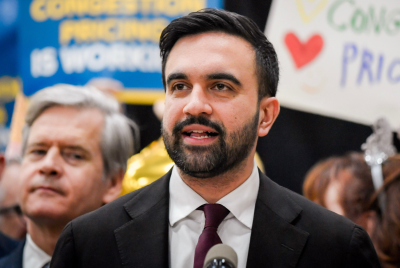
House Passes AI Nudification Ban — But Who Is the Republican Who Voted Against It?
One dissenting vote raises questions as lawmakers unite against a growing digital threat

The Minnesota House of Representatives has passed a sweeping ban on AI-powered nudification technology, drawing rare bipartisan support while leaving one Republican vote standing apart. Lawmakers approved the measure this week in a bid to curb artificial intelligence tools that can generate fake explicit images without consent.
The bill moved through the chamber with unusual speed, a sign of growing alarm over how easily this technology can be used to exploit people, particularly minors and women. Supporters described it as urgent protection in a digital world that is moving faster than existing laws can keep up.
Yet despite the broad backing, attention has settled on a single Republican who voted against the measure in a vote of 132 to one. That lone decision has prompted questions about where the line sits between civil liberties and public safety in the age of AI.
Why the House Acted With Urgency
The legislation gathered momentum as concerns grew over the rise of so-called nudification apps, which use AI to digitally remove clothing from images. Lawmakers described the technology as lowering the barrier for abuse, putting it within reach of anyone with a smartphone.
According to Minnesota House Session Daily, the bill aims to criminalise both the creation and distribution of altered images, particularly when they are used to harass or exploit victims. It forms part of a wider effort by lawmakers to catch up with the rapid pace of artificial intelligence.
Rep. Jessica Hanson, who backed the measure, delivered one of the most forceful warnings during debate. She said the technology empowers and enables 'paedophiles and sexual predators around the globe.
'It has harmed children who are made victims by their cruel peers, women who are made victims by men they have trusted for decades. And what's worse is that these predators are increasingly profiting while wreaking this havoc,' she said.
Her words gave the debate a sense of urgency, framing the issue not as a distant risk but as a problem already affecting real lives.
The Lone Republican Vote Draws Attention
Despite overwhelming support, one Republican lawmaker voted against the bill and quickly became the focus of public curiosity. Rep. Ben Bakeberg opposed the measure, saying it 'muddies' a proposal that deals with victims' intimate trauma. Critics, however, questioned the reasoning behind rejecting a bill widely seen as protective.
As reported by CBS News Minnesota, the measure passed by a wide margin, underlining how unusual the dissent was in a chamber that often sees sharper political divides. Most lawmakers agreed on the need to act quickly to address the harms linked to AI-generated abuse.
The dissent has not been framed as support for the technology itself, but it has raised concerns about possible unintended consequences.
Some observers suggest it reflects unease about how broadly the law could be applied or how it might intersect with free speech protections.
Even so, for many advocates, the vote feels out of step with the urgency described by victims and lawmakers. It has also added a layer of controversy to what might otherwise have been a straightforward legislative win.
A Law Shaped by Real Stories
Behind the policy debate are accounts of harm that have brought the issue into sharper focus. Lawmakers pointed to cases where individuals, including school-aged children, were targeted by manipulated images shared without consent.
The emotional weight of those stories helped build bipartisan support. For many legislators, the bill was less about regulating technology and more about protecting people from a new form of digital abuse that can leave lasting damage.
Supporters argue the law sends a clear message that such behaviour will not be tolerated. It also shows lawmakers are willing to respond as new threats emerge, even when the technology behind them evolves quickly.
Technology Moving Faster Than the Law
The passage of the bill highlights a broader challenge faced by governments around the world. Artificial intelligence tools are advancing at a pace that often outstrips regulation, leaving gaps that can be exploited.
In this case, lawmakers chose to act before the problem grows further. The strong vote suggests a shared understanding that waiting could mean more victims and fewer protections.
Still, the lone dissent remains part of the story. It reflects the tension between acting quickly and ensuring laws are carefully balanced. As the bill moves forward, that tension is likely to remain, shaping how it is enforced and how future legislation takes shape.
© Copyright IBTimes 2026. All rights reserved.
- Recommended For You