

ICE Accused of Detaining US Citizen With Schizophrenia for Nine Months Despite Florida Birth Certificate and US Passports
Florida birth records and a 1988 paternity document support Phillip James's claim; DHS says his original birth certificate was fraudulent
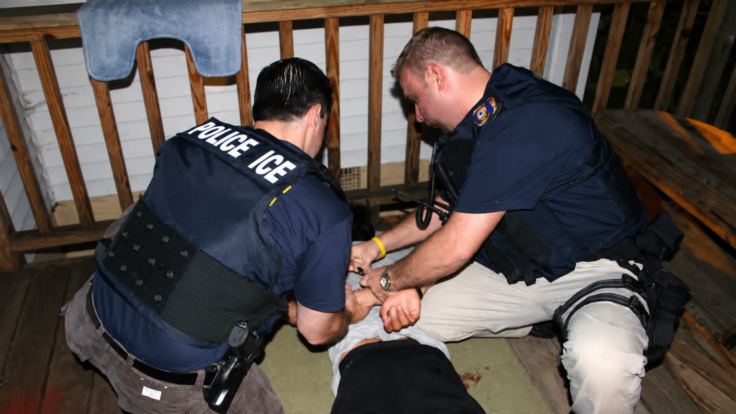
Phillip James has spent nearly 10 months in US immigration detention while authorities pursue his deportation to Jamaica, despite records supporting his claim that he was born in Florida and previously received American passports.
The 39-year-old, who has been diagnosed with paranoid schizophrenia, was arrested by Immigration and Customs Enforcement (ICE) in January 2026. His mother and lawyers say he was born in Orange County, Florida, in 1987, which would make him a US citizen by birth. The Department of Homeland Security (DHS), which oversees ICE, disputes his citizenship and alleges that the birth certificate used to obtain his first US passport was fraudulent.
The case raises questions about how immigration authorities weigh official records against conflicting personal statements, particularly when medical experts say a detainee's account of his own identity is affected by serious mental illness.
Birth Certificate and Passport History Challenge Deportation Case
James received a US passport in 2008 after submitting a Florida birth certificate. A further passport was approved in 2023 following a court-ordered name change, according to the records reviewed in the case.
His lawyers have also presented a 1988 court document concerning the establishment of his paternity. The document reportedly matches key details on the birth certificate, including his date of birth, the identities of his parents, and their residence in Florida. His mother has supported the account in an affidavit.
The government revoked his passport and rejected his citizenship applications, asserting that his identity and place of birth differed from those recorded in the Florida documents. DHS told investigators that the original passport had been issued using a 'fraudulent birth certificate', but did not provide supporting evidence in response to follow-up questions.
Jamaican authorities have reportedly told James's lawyers that they have no record of his birth or citizenship there. That does not, by itself, settle his US citizenship status, but it adds to the uncertainty surrounding the government's attempt to deport him to Jamaica.
Medical Evidence Complicates Assessment of His Identity
The case is complicated by James's own statements. Beginning in 2024, he submitted applications for US citizenship and protection from deportation in which he claimed he was born in Jamaica and described alleged connections to Lebanon. Medical experts who assessed him said his belief that he was born abroad was a symptom of paranoid schizophrenia.
A psychologist concluded that James was not 'a reliable historian' because of his mental illness and what the expert described as a deeply entrenched delusional belief system. Northwestern University professor Jacqueline Stevens, who has researched wrongful immigration detention, said cases involving mental illness and disability can expose problems in the assessment of citizenship claims.
'What's going on in these cases is that evidence that's consistent with deportation is treated as accurate and evidence that is inconsistent is treated as fraudulent,' Stevens said. DHS has denied that ICE detains US citizens and maintains that people facing removal proceedings receive due process. The government has not publicly acknowledged an error in James's case.
Federal Court Petition Seeks Release From Detention
ICE began removal proceedings against James in December 2025, when he was living in New York City. Agents arrested him after an immigration court hearing on 5 January 2026. An immigration judge ordered his removal to Jamaica in April.
James initially challenged his detention without a lawyer. He is now represented by the Bronx Defenders, whose legal team filed a federal petition seeking his release on 19 August 2026. His lawyers are also appealing the removal order to the Board of Immigration Appeals.
The government has argued that the citizenship question should be decided through immigration proceedings rather than by a federal judge. US District Judge Damon Leichty is considering the petition seeking James's release.
The case has wider implications for how identity disputes are handled in deportation proceedings. Immigration authorities cannot detain US citizens under their immigration powers, but a passport revocation and a disputed citizenship claim can leave a person caught between administrative decisions and judicial review.
The court's consideration of James's petition could determine whether he remains in detention while the legal challenge proceeds. Until the dispute is resolved, the birth records, passport history, medical assessments, and government allegations remain competing parts of a case with potentially life-changing consequences.
© Copyright IBTimes 2026. All rights reserved.