

UK Summer Heatwave Risk 2026 Rises After Record 35.1°C May Temperature and Water Supply Warnings
Climate experts say severe heatwaves may become a regular feature
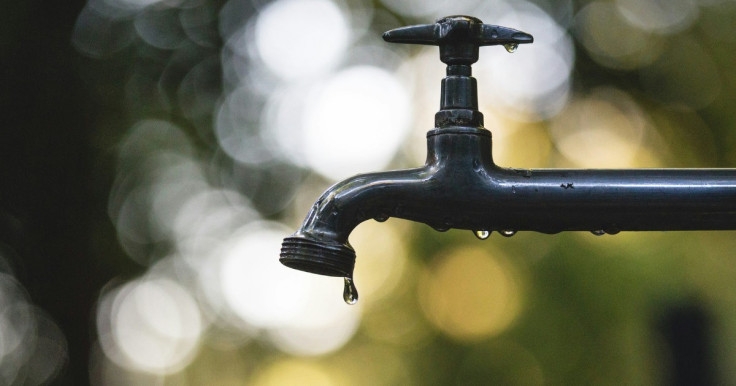
The Met Office has warned that the United Kingdom faces an increased risk of heatwaves this summer following a record-breaking end to spring that saw temperatures reach unprecedented levels for the month of May.
In its latest three-month outlook covering June, July and August, the national forecaster said hotter-than-average conditions are more likely across much of the country, increasing the chances of heat-related impacts during the summer months. The Met Office said hotter summers are now around twice as likely compared with the 1991–2020 climate average.
The warning follows a record UK May temperature of 35.1°C recorded at Kew Gardens in London on 25 May. The previous May record stood at 32.8°C. Meteorologists noted that weather records are often broken only by small margins, making this year's increase particularly notable.
UK Heatwaves More Likely
According to the Met Office, there is an increased likelihood of heatwaves and associated impacts during the summer period, reflecting a longer-term trend towards warmer conditions in the UK.
Similar projections have been made by MeteoGroup, which provides forecasting data for BBC Weather. The organisation expects several notable warm spells across both the UK and mainland Europe during June, July and August, although forecasters stressed that cooler and unsettled periods remain possible.
Today will be the hottest day in May in the UK in our temperature records, with highs of 35 degrees Celsius expected📈 The current May record is 32.8 °C. Records are usually only broken by tenths...
The outlook comes as the Climate Change Committee (CCC) warns that extreme heat is becoming an increasingly significant national risk. In its latest assessment of UK climate resilience, the committee said hot summers comparable to those experienced in 2018, 2022 and 2025 could become increasingly common by the middle of the century if global temperatures continue to rise.

The committee also warned that increasingly intense heatwaves could place growing pressure on public health, care services, infrastructure and vulnerable communities.
Dry Conditions Raise Water Supply Concerns
Alongside concerns about heat, water companies and environmental agencies are monitoring the effects of continued dry conditions across parts of England.
Although winter rainfall helped maintain reservoir levels in many regions, several areas experienced an exceptionally dry spring. Parts of Essex, Suffolk, Cambridgeshire and Dorset recorded significantly below-average rainfall, with some locations receiving only around a quarter of their normal spring totals. Environmental monitoring has also identified river levels in some areas as lower than normal heading into summer.
The late-May heatwave offered an early indication of the pressure prolonged hot weather can place on water infrastructure. Thames Water said customers used an additional one billion litres of water over the bank holiday weekend compared with the same period last year, while around 18,000 households across parts of the South East experienced temporary supply disruptions as demand surged.
The CCC has warned that public water supplies in England could face a shortfall of more than five billion litres per day by 2050 without significant investment in drought resilience measures. The report said expanded storage capacity, reduced leakage and greater water efficiency would be needed to reduce the risk of future shortages and restrictions.

Forecasts Point to a Hotter Summer Ahead
The Met Office emphasised that seasonal forecasts provide broad indications of likely weather patterns. While periods of cooler or wetter weather remain possible, the latest outlook suggests above-average temperatures are more likely than usual this summer.
With temperatures already reaching record levels before the official start of summer, forecasters, water companies and local authorities will be monitoring conditions closely in the weeks ahead.
© Copyright IBTimes 2026. All rights reserved.