COVID-19 BA.3.2 Variant First Detected in SFO Traveller: Experts Warn on Symptoms, Spread and Hidden Surge Risk
CDC monitors BA.3.2 after first US traveller case detected in June 2025
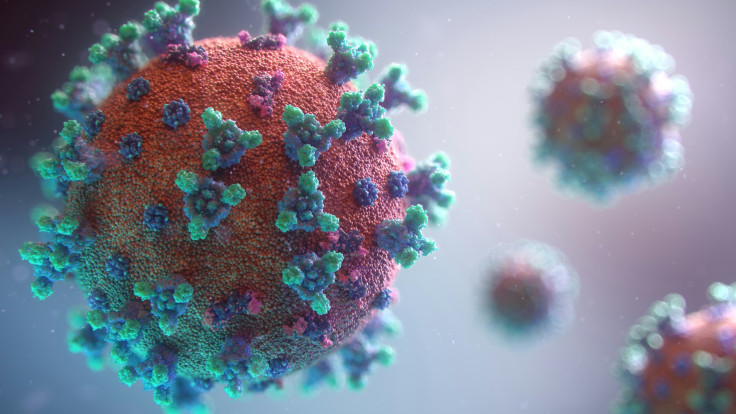
Could the new COVID-19 BA.3.2 variant silently be spreading across the US?
The COVID-19 BA.3.2 variant has been detected in the United States for the first time in a traveller arriving at San Francisco International Airport (SFO) from the Netherlands, sparking concerns over potential hidden community spread. Experts are monitoring this heavily mutated Omicron subvariant closely, warning that its mutations could affect immunity even in vaccinated populations.
BA.3.2 Omicron Subvariant Shows High Mutation, Raising Expert Caution Globally
According to SFGate, BA.3.2 was first identified in the United States in June 2025 through the CDC's Traveller-Based Genomic Surveillance Programme. It has since appeared in wastewater from 25 states and a small number of clinical cases, indicating potential silent transmission. The variant has already been confirmed in over 23 countries worldwide, highlighting its international reach.
Highly Mutated COVID-19 BA.3.2 Spike Protein May Evade Vaccine Immunity
BA.3.2 carries around 70–75 mutations and deletions in its spike protein, which laboratory studies suggest could partially evade neutralising antibodies. Experts stress that T-cell immunity remains protective, so severe disease and hospitalisation are not expected to rise significantly. 'While BA.3.2 shows genetic changes that require monitoring, there is no current evidence it causes more severe illness', said a CDC spokesperson.
Symptoms of COVID-19 BA.3.2 Remain Mild, Similar to Previous Omicron Variants
Current reports show symptoms such as congestion, sore throat, cough, fatigue, fever and body aches, mirroring previous Omicron subvariants. Public health officials stress vigilance in high-risk groups and communities with low vaccination coverage to prevent unexpected outbreaks.
Wastewater Surveillance Helps Detect Early BA.3.2 Community Spread in US Cities
Wastewater detection has been crucial in tracking BA.3.2. Analysing viral RNA in sewage allows scientists to monitor trends before clinical cases surge, providing an early warning system for potential hidden outbreaks.
BA.3.2 Detected in Multiple Countries, Experts Warn on Possible Global Spread
First detected in South Africa in late 2024, BA.3.2 has since spread to Europe, North America and Asia. Experts emphasise that while it may partially evade immunity, its transmission advantage appears modest compared with dominant variants. Continuous monitoring is vital to anticipate any increase in infections.
Vaccines Continue to Protect Against Severe Disease Despite BA.3.2 Mutations
Although BA.3.2 carries mutations that may reduce antibody effectiveness, current COVID-19 vaccines and boosters remain effective against severe outcomes, including hospitalisation and death. Experts encourage staying up to date with vaccinations to minimise risk.
Genomic Surveillance Critical to Track Evolution of COVID-19 BA.3.2 in the US
Authorities rely on genomic sequencing, traveller screening and wastewater sampling to detect any early warning of BA.3.2 outbreaks. Prompt detection allows for faster public health responses and prevents larger community spread.
Experts Emphasise Vigilance as SARS-CoV-2 Continues to Evolve Globally
Variants such as BA.3.2 show that SARS-CoV-2 is still evolving. Maintaining surveillance, booster programmes and public awareness remains key to controlling hidden surges in case numbers across communities.
Public Urged to Monitor Symptoms and Follow Local Health Guidance
Health officials continue to urge the public to stay informed, follow local guidance, and get booster vaccinations. Awareness of BA.3.2's spread, combined with preventive measures, is essential to prevent further waves of infection.
© Copyright IBTimes 2026. All rights reserved.
- MOST POPULAR IN World