Visa Delays, RFK Jr. And Anti-US Sentiment: Why International Tourists Are Avoiding The 2026 World Cup
European advance travel down more than 15 per cent as rights groups warn of entry risks

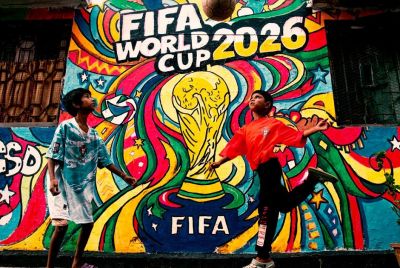
International tourists are increasingly avoiding the 2026 World Cup in the United States, industry reports show, as visa delays, health policies associated with Robert F Kennedy Jr and rising anti-US sentiment combine to deter fans from travelling to the host cities. The trend is hardly a surprise given the combination of factors at play.
Hotel bookings in US venues are falling short of expectations, with 80 per cent of operators across the 11 host cities reporting reservations tracking below forecasts just five weeks before the tournament kicks off. This shortfall threatens a projected $30 billion (£22 billion) boost to the economy that organisers had anticipated from the event. Analysts warn that international fan turnout is lagging well behind domestic interest as the June start date looms.
Visa Delays Create Logistical Nightmare for Supporters
Fans from nations without visa waivers are confronting appointment wait times that remain a significant barrier at many US consulates, even with the FIFA Pass system designed to prioritise ticket holders. The programme offers expedited scheduling but provides no guarantee of approval or faster overall processing.
Rights groups have amplified concerns. More than 120 civil society, human rights and soccer supporter organisations issued a formal travel advisory in April warning of potential arbitrary denial of entry, invasive social media checks and risks of detention under prevailing immigration rules.
One industry analysis in a New York Post article noted that the path to the US for many World Cup travellers feels increasingly less like a red-carpet welcome. Visa barriers and broader geopolitical concerns are cited by about 65 per cent of hoteliers as suppressing demand.
RFK Jr Health Leadership Fuels Broader Doubts
Perceptions of US public health under Health Secretary Robert F Kennedy Jr have further dampened enthusiasm among international visitors. His department has pursued reforms to vaccine advisory panels, dietary guidelines and mental health approaches as part of the Make America Healthy Again agenda, moves that have drawn criticism abroad for diverging from global health norms and contributing to a sense of isolation.
A widely shared Instagram post from the account summed up the unease, noting that the US was hosting the World Cup 'while our public health system is cut off from the rest of the world under the "leadership" of RFK Jr'. The post connected such policies directly to declining tourism demand, alongside visa delays and anti-US sentiment.
Anti-US Sentiment Drives Boycott Calls
Political and immigration tensions have translated into active avoidance, with fans pointing to enforcement actions and foreign policy as reasons to stay away. CNN reported that an online petition in the Netherlands attracted more than 174,000 signatures calling for the national team to pull out, while a dedicated Facebook group advocating a boycott of US-hosted matches has swelled to more than 25,000 members.
Some supporters have cancelled tickets following reports of heightened border scrutiny. Advance bookings from Europe to the United States for July 2026 have fallen 15.3 per cent year on year, according to aviation data.
US inbound tourism overall fell 5.5 per cent last year even as global travel rebounded. In the final weeks before kick-off, organisers and host cities continue to promote targeted campaigns and simplified entry processes. Whether these measures will reverse the trend of international tourists avoiding the 2026 World Cup remains to be seen, but current data points to a more subdued international turnout than hoped.
© Copyright IBTimes 2026. All rights reserved.
- Recommended For You