Is Hantavirus in the US? MV Hondius Outbreak Triggers Fear of Another Pandemic
WHO eases global concern over hantavirus, citing low public health risk
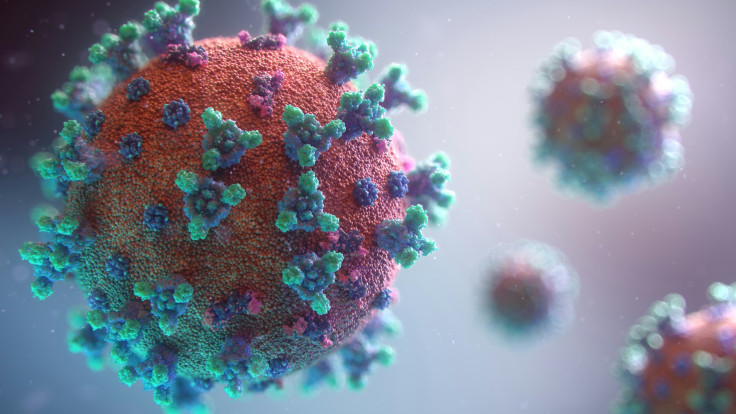
The escalating health crisis aboard the expedition cruise ship MV Hondius has triggered a wave of concern as health officials continue to investigate and contain the rare but deadly hantavirus that has already claimed three lives.
While the maritime tragedy has triggered trending fears of a burgeoning pandemic, global health authorities are moving quickly to provide clarity on the actual risk to the United States and the wider public.
MV Hondius Hantavirus Outbreak
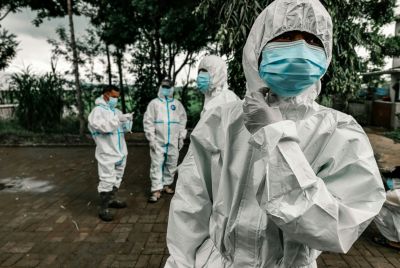
MV Hondius, a Dutch-operated vessel specialising in polar voyages, is currently en route to Tenerife, Canary Islands, after it had become the centre of a multi-country health emergency following the recorded cases of hantavirus on board.

According to the World Health Organisation (WHO), eight cases have been identified among the 147 passengers and crew. Three deaths have been confirmed so far. The ship, which departed Ushuaia, Argentina, in early April, reported its first death, a 70-year-old Dutch passenger, on 11 April.
The victim's wife, 69, later succumbed to the virus in a South African hospital, and a German national was the third victim of the virus, who died on 2 May. The vessel carries passengers from 23 nationalities, including 19 Britons and 17 Americans.
As confirmed by the WHO, the outbreak on the cruise ship involves the Andes virus strain. Unlike most hantaviruses, which require direct contact with rodent waste, the Andes variant is known for limited human-to-human transmission. This rare capability is the primary driver behind the current international alarm.
Hantavirus Threat
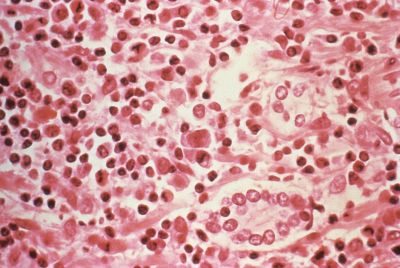
Orthohantaviruses, commonly known as hantaviruses, are typically zoonotic, meaning they spread from animals to humans through inhalation of airborne virus particles from the urine, droppings, or saliva of infected rodents. There are at least 38 species, 24 of which can cause disease in humans.
As reported by The Guardian, the fatality rate of the virus depends on the strain. 'Old World' variants in Europe and Asia mainly affect the kidneys and carry a 1–15% mortality rate, while 'New World' strains in the Americas can cause Hantavirus Pulmonary Syndrome (HPS), with a death rate of about 40%.
The Andes virus strain found in MV Hondius belongs to the 'New World' strain. Currently, there are no vaccines or specific antiviral treatments, with care focused on hospitalisation, oxygen support, and fluid management.
WHO's Statement
Despite the chilling headlines, the WHO has been firm in its assessment of the global threat level. WHO Director-General Dr Tedros Adhanom Ghebreyesus confirmed that while more cases may emerge due to the six-week incubation period, the outbreak is expected to remain limited. Dr Tedros said, 'While this is a serious incident, WHO assesses the public health risk as low.'
Meanwhile, as reported by Fox News, Dr Maria Van Kerkhove, WHO director of epidemic and pandemic preparedness, tried to ease global concerns about the recent outbreak. 'This is not the start of an epidemic. This is not the start of a pandemic,' she insisted.
She added, 'This is not coronavirus, this is a very different virus, we know this virus. Hantaviruses have been around for quite a while...This is not the start of a COVID pandemic, this is an outbreak that we see on a ship.'
JUST IN: The World Health Organization is trying to ease global concerns about the recent hantavirus outbreak on a cruise ship, drawing comparisons to the early days of the COVID-19 pandemic.
— Fox News (@FoxNews) May 7, 2026
Dr. Maria Van Kerkhove clarifies that the newly identified hantavirus is vastly… pic.twitter.com/UdAaf2q8zt
The US Perspective and Pandemic Fears
As the concern rises, the question of whether hantavirus is in the US has a complex answer. Hantavirus is already endemic to the United States, with the Sin Nombre strain regularly causing isolated cases in the Southwest.
However, as confirmed by the WHO, the specific Andes strain found on the MV Hondius is not native to North America, leading the US Centers for Disease Control and Prevention (CDC) to monitor returning travellers with heightened vigilance.
Medical experts clarify that hantavirus does not spread through the air over long distances like respiratory flu or COVID-19. It requires very close, prolonged contact for human-to-human transmission to occur. Health officials state that containment measures are in place and there is no immediate cause for public alarm.
© Copyright IBTimes 2026. All rights reserved.
- Recommended For You