Moderna Works on Hantavirus: Reports Claim the Biotech Giant Has Started Early-Stage Research of the Jab
Moderna's early hantavirus vaccine research draws investor focus, underscoring biotech's sway on market dynamics

Moderna, the US biotech company best known for its COVID‑19 vaccine, has reportedly begun early research into a vaccine for hantavirus. The announcement, which drove the company's share price up significantly, has raised questions about what this vaccine might mean for public health and how soon it might be available.
The Boston Globe reported that investors reacted strongly when word circulated that Moderna is working on a hantavirus jab, underscoring how swiftly news of vaccine development can influence biotech stocks. The project is in its earliest stages, and clinical development typically takes years before resulting in a viable, widely available vaccine.
Early‑Stage Work Prompts Market Reaction and Investor Curiosity
Moderna's shares jumped in trading after reports surfaced that the company has initiated work on a hantavirus vaccine. A Seeking Alpha report noted that news of the early-phase development caused a notable rise in its stock price on the Friday trading session, reflecting investor optimism around emerging infectious disease defences.
What Is Hantavirus and Why Research Is Underway
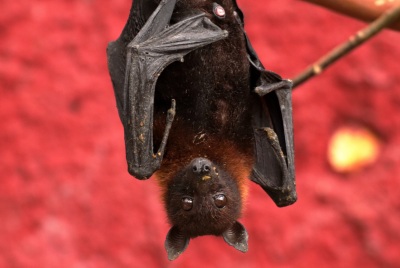
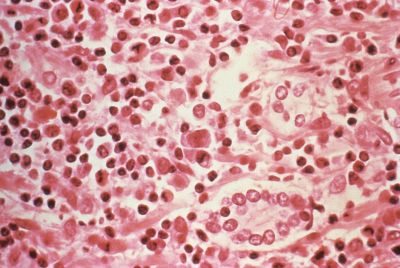
A World Health Organization fact sheet notes that hantaviruses are a group of viruses carried by rodents that can cause serious disease in humans. In the Americas, hantavirus infection can lead to hantavirus cardiopulmonary syndrome, a severe respiratory condition with high fatality rates, while in Europe and Asia infections often result in haemorrhagic fever with renal syndrome. There is currently no approved vaccine for hantavirus disease.
Transmission to humans generally occurs through contact with infected rodent excreta. Despite being relatively uncommon, the severity of illness when cases do occur has made vaccines against hantaviruses a long‑standing goal in infectious disease research.
Moderna's reported interest in hantavirus vaccines appears to coincide with a rise in public awareness after a cluster of cases linked to cruise ship travel was reported by the World Health Organization, including confirmed infections and several deaths, managed through international health responses.
Collaboration and Research Partners in Vaccine Development
While Moderna has not shared extensive public details, the Boston Globe reports that the company is conducting early vaccine research in collaboration with the US Army Medical Research Institute of Infectious Diseases and with Korea University's Vaccine Innovation Center. These partnerships aim to explore the potential for mRNA vaccine technology to generate immune responses against hantaviruses.
Moderna's broader research strategy includes work on vaccines for multiple emerging diseases, leveraging its mRNA platform that proved successful in the COVID‑19 pandemic. This technology could potentially enable faster responses to new threats than traditional vaccine methods.
Scientific and Public Health Context: Why a Vaccine Matters
Despite sporadic outbreaks, hantavirus has not historically received the same level of sustained funding as some other infectious diseases. Outbreaks often occur in geographically limited areas and disproportionately affect poorer regions, which can challenge commercial incentives for vaccine development.
A vaccine could have significant public health benefits by preventing severe disease and reducing the burden on healthcare systems during outbreaks. Clinical development typically takes years, involving multiple trial phases to confirm safety, tolerability and efficacy before any regulatory approval is possible.
Challenges and Timelines Ahead
Work on hantavirus vaccines by various groups globally remains in the early stages, with preclinical development and initial trial phases likely to span years before a licensed product could be expected, unless accelerated by significant public health initiatives.
Without major funding or accelerated programmes, as was seen with COVID‑19 vaccines, progress may be methodical and uncertain. Nonetheless, Moderna's engagement with hantavirus research contributes to a growing global effort to prepare for emerging viral threats.
What Consumers Should Understand
At present, there is no commercial hantavirus vaccine available, and reports of research should not be taken as confirmation of a vaccine that is ready for public use. Experts caution that even with promising early research, clinical trials and regulatory review are necessary steps that cannot be rushed without compromising safety.
In the coming months and years, additional data from ongoing studies may illuminate the trajectory of Moderna's hantavirus vaccine research, and stakeholders will be watching closely for scientific updates and regulatory developments.
© Copyright IBTimes 2026. All rights reserved.
- Recommended For You