Dad's Corporate Card Takes a $118,000 Hit After Nine-Year-Old Promotes Roblox Channel
Dave discovered his son's charges after his employer showed him a spreadsheet, realizing the spending had continued for weeks
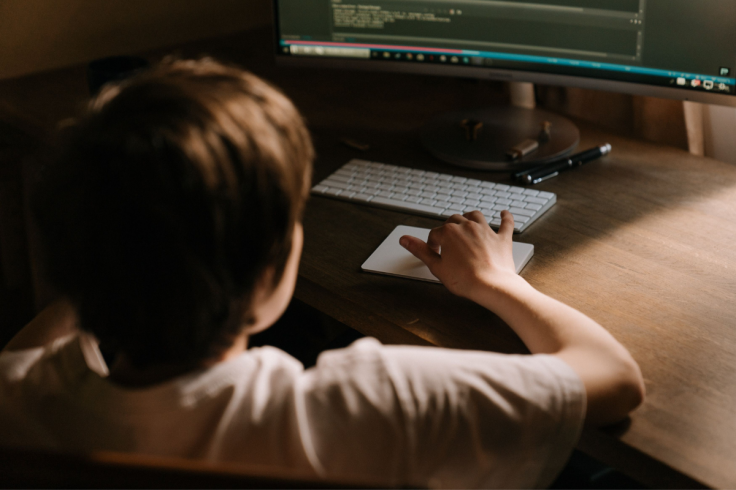
A nine-year-old gamer reportedly turned a $20 YouTube advertising lesson into three weeks of spending that left his father confronting $118,000 in company credit card charges and job uncertainty. Dave, the father behind Mighty Mike Plays, a YouTube gaming channel featuring his son Mike's Minecraft and Roblox videos, said the boy used payment details from his company credit card to run YouTube ad campaigns promoting the channel.
Dave only discovered what had happened after being called into a meeting with his manager, corporate staff, and the finance department. He was shown a breakdown of the transactions. Tom's Hardware reported the $118,000 figure based on Dave's account, but the amount and the company's response have not been independently verified through public company financial records.
A $20 Tutorial Became a Six-Figure Shock
Dave said the trouble began after he entered his company card to buy Robux for his son, leaving the payment method saved to the Google account the boy used. When Mike later complained that his videos were not attracting enough views, his father showed him how to use YouTube's Promote tool, including how to set a budget and choose an audience.
A promotion costing about $20 was then launched, with Mike shown how the process worked. After that lesson, the nine-year-old reportedly began creating additional campaigns on his own. The resulting charges appeared under campaign names such as 'Mighty Mike' and 'Epic Roblox', as well as promotions for Minecraft-related videos.
In a video explaining what happened, Dave said his son did not understand the $20 as a limit, adding, 'The credit card, it just says approved every single time.'
Three Weeks Passed Before the Bill Came to Light
The spending reportedly continued for roughly three weeks before Dave realised what was happening. He said he learned about the charges only after his employer called him into a meeting and showed him a spreadsheet of the transactions. 'It dawned on me that, oh crap, this is probably something my son did,' Dave said. 'The number sitting on the page in front of me had about five more digits than it should have.'
Dave said the incident could also affect his employment. 'This is not just like a haha, funny story; everything worked out fine kinda situation,' he said. 'There is a real genuine chance I have to end up personally having to pay some or all of this back out of my pocket.'
Dave Takes Responsibility as Job and Channel Face Uncertainty
Dave acknowledged that he had left the company card attached to the account. 'I'm not blaming him,' he said. 'He's only nine; he didn't understand fully what a company card meant, or that a large number on the screen represented real money.'
He has also indicated that the incident could put the channel on pause while he deals with the fallout. Tom's Hardware reported that the channel had about 24,000 subscribers as of early 16 September, before its audience grew following the story.
The incident also recalls earlier disputes involving children making unauthorised digital purchases. In September 2014, the Federal Trade Commission announced that Google had agreed to provide at least $19M in refunds over unauthorised in-app charges made by children through Google Play. The case involved mobile app purchases, not YouTube advertising, making it a relevant background rather than a direct parallel.
© Copyright IBTimes 2026. All rights reserved.
- Recommended For You