

Nvidia CEO Jensen Huang Defends Meetings With Woman US Intelligence Reportedly Identified as a Chinese Asset
Nvidia cites chip checks as Jensen Huang defends contacts with a former Megaspeed executive amid a US investigation
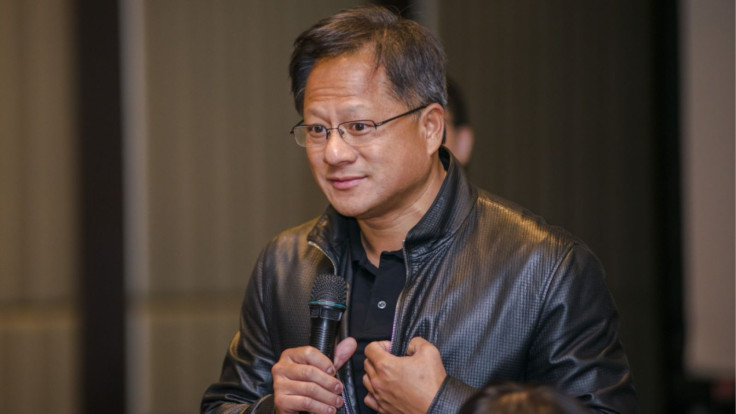
Nvidia CEO Jensen Huang defended meetings with a former executive of Singapore-based Megaspeed International on 29 October after The New York Times reported that US intelligence had identified her as a Chinese asset.
The allegations involve Alice Huang, a Chinese citizen who formerly held a senior position at the data centre company. The New York Times reported that US authorities were investigating her for allegedly passing information to Beijing and assisting efforts to evade American chip export restrictions.
Speaking to Bloomberg on Thursday, Jensen Huang described Nvidia's business with Megaspeed as 'normal and not unusual'. He maintained that the relationship was proper and that the company had checked where its artificial intelligence chips were deployed.
Jensen Huang Defends Customer Contacts
The New York Times reported that American intelligence agencies had surveilled Alice Huang and concluded that she was a Chinese intelligence asset. It also reported that she had developed a close relationship with Nvidia's chief executive.
Jensen Huang described his interactions with the executive as typical of his dealings with Chinese customers and business leaders. He also stated that she was no longer with Megaspeed.
In statements to Bloomberg and CNBC, Nvidia described Megaspeed as a typical regional cloud customer. A spokesperson maintained that Huang's interactions with its officials were not unusual, explaining that the chief executive speaks with thousands of customer executives each year.
Those customers receive routine business information, the company maintained. They do not receive Nvidia trade secrets or information relevant to national security, it added.
Megaspeed told The New York Times that it had retained outside counsel to investigate the allegations and had informed US authorities of its willingness to cooperate. Alice Huang did not respond to requests for comment.
Chip Checks Underpin Huang's Response
The allegations also concern whether Nvidia's powerful processors could have reached China through Megaspeed despite American export controls. US rules prohibit China from purchasing the company's most advanced graphics processing units, commonly called GPUs.
'We've studied all their deployments of our GPUs and counted every one,' Huang told Bloomberg.
Nvidia also addressed earlier accusations that Megaspeed had assisted companies seeking to circumvent US restrictions. In its response, the chipmaker stated that those allegations 'were thoroughly investigated and debunked last year.'
Export Curbs Frame Huang's Defence
For Nvidia, the allegations intersect with a wider dispute over its ability to sell chips in China. American restrictions target access to its most powerful AI processors, while the company has also faced obstacles from Chinese authorities over imports of less advanced products.
Huang has publicly argued that American controls have accelerated Chinese efforts to develop domestic semiconductor capabilities.
Nvidia has also maintained that smuggling its advanced AI chips into China is not a significant problem, a position Reuters attributed to the Bloomberg account.
The company's spokesperson pointed to restrictions imposed by Beijing as another obstacle to sales. Chinese authorities had blocked imports of US AI chips to protect domestic industry, the spokesperson explained, linking those restrictions to substantial inventory write-offs in the previous year.
Earlier this year, US authorities approved shipments of Nvidia's less advanced chips to China, but Chinese regulators prevented their import.
© Copyright IBTimes 2026. All rights reserved.