

Likud Claims Israel Election Was 'Stolen' as Netanyahu Bloc Falls 8 Seats Short of Governing Majority
The bloc has 53 seats, eight short of a majority, as officials investigate suspected foreign interference and reject widespread fraud claims
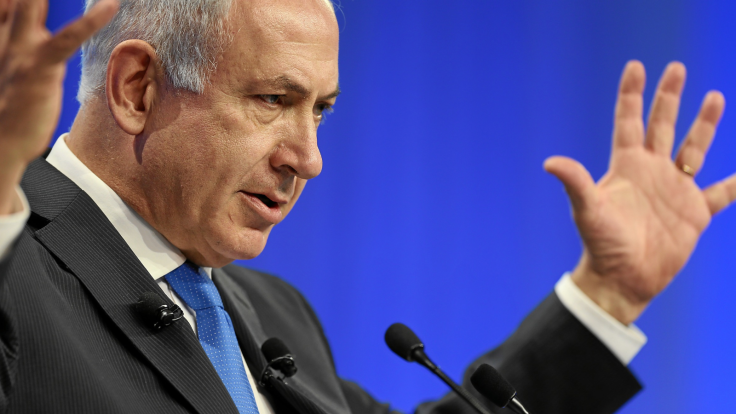
Benjamin Netanyahu's Likud party has claimed Israel's election was 'stolen' as the completed vote count leaves his political bloc with 53 parliamentary seats, eight short of the 61 needed for a governing majority.
The results give the main opposition bloc 48 seats and Arab-led parties another 19 in the 120-member Knesset. Likud remains the largest individual party with 27 seats, but Netanyahu and his allies cannot command a majority on their own. The results remain subject to verification before their submission to President Isaac Herzog on 4 November.
The election-theft allegation remains unsubstantiated. Authorities are investigating suspected foreign interference, while election officials have rejected claims that the integrity of the vote was systematically compromised.
What Likud Is Alleging
Likud began challenging the election after Tuesday's vote, accusing Arab-led parties of offences including bribery, intimidation, forgery and improper voter mobilisation.
The party said it had supplied authorities with testimony and other material supporting its accusations. Those assertions do not establish that the election was stolen, and the alleged evidence has not been presented publicly in a way that substantiates that broader claim.
The dispute intensified after Central Elections Committee chairman Noam Sohlberg asked the Shin Bet domestic security service to investigate suspicions of foreign involvement.
Netanyahu's allies seized on the referral to reinforce their accusations. Qatar, which was implicated in claims surrounding the controversy, denied interfering. Ra'am leader Mansour Abbas also rejected wrongdoing and called for a full investigation.
Officials Distinguish Inquiry From Election Results
Election authorities have drawn a distinction between investigating specific suspicions and questioning the legitimacy of the entire vote.
Acting Central Elections Committee director general Dean Livne rejected allegations of widespread fraud. The Shin Bet described its investigation as limited in scope and said it should not be used to cast suspicion on Arab citizens who voted lawfully.
Police also pushed back against claims that the election had been stolen. Reporting on their response described relatively few irregular incidents affecting election integrity.
The completed count therefore remains the basis for the next stage of the political process. Publication of the seat totals does not mean a governing coalition has been agreed, and Netanyahu has not automatically lost office because his bloc fell short.
Why the Arab Parties' Seats Matter
Ra'am won eight seats and the Joint List secured 11. Together, their 19 seats could provide the additional parliamentary support needed by Netanyahu's opponents.
Combining those seats with the opposition bloc's 48 would produce 67, above the majority threshold. That arithmetic does not guarantee an agreement: the parties would still need to resolve substantial political differences over supporting or joining a government.
Opposition bloc leader Gadi Eisenkot has accused Netanyahu of trying to delegitimise the election. He supported an impartial investigation into any foreign involvement but warned against using an unfinished inquiry to undermine the results or delay the next Knesset's swearing-in.
Government Formation Remains Unresolved
Netanyahu remains in office while the process of forming a government unfolds. Neither his bloc nor the main opposition grouping has enough seats to govern independently, leaving negotiations over additional support central to the outcome. Failure to assemble a government could lead to another election.
The new Knesset is scheduled to be sworn in on 10 November. For now, the decisive questions are whether rival parties can reach an agreement and whether the limited interference investigation produces evidence.
© Copyright IBTimes 2026. All rights reserved.