

US Air Force Bans Even Privately Owned BYD Cars From Japan Base Amid Fears Sensors Could Collect Sensitive Data
Kadena's ban covers private BYD cars, taxis and deliveries amid concerns around cameras, sensors and sensitive data
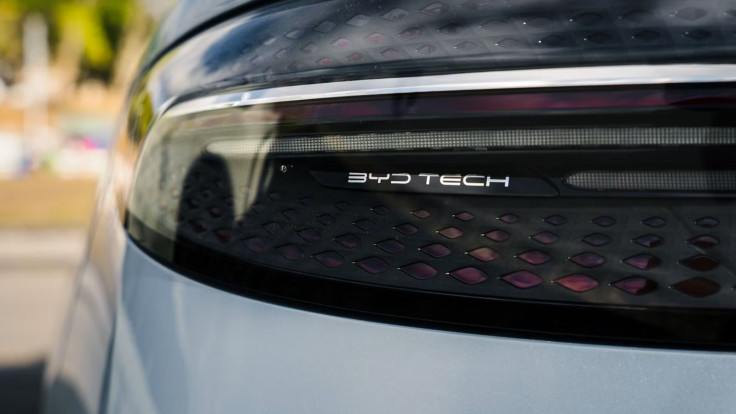
The US Air Force has barred BYD cars, including privately owned vehicles, from Kadena Air Base in Okinawa, Japan, this week over concerns about sensitive information being collected through onboard technology.
The decision follows earlier Pentagon scrutiny of the Chinese carmaker. In June, the US defence department added BYD to a list of 188 Chinese companies it believes have military ties, prompting a protest from Beijing.
BYD has rejected the designation, maintaining that it is not a military company and saying it would pursue administrative and legal remedies.
'These vehicles present an unacceptable and unmitigable risk to our personnel and our mission,' Lieutenant Colonel Alli Stormer, a spokesperson for the US Air Force's 18th Wing at Kadena, said.
BYD Ban Covers Taxis and Delivery Vehicles
Military personnel living on overseas bases are among those driving BYD cars. The new rule affects their access to Kadena as well as transport services entering the installation.
Gate guards have been instructed to refuse entry to every BYD vehicle and direct drivers to turn around. The restriction applies to private cars as well as taxis and delivery vehicles, extending its reach beyond vehicles owned or operated by the military.
Cameras and Sensors Behind BYD Security Concerns
Modern vehicles are equipped with cameras, sensors, computer systems and wireless internet access, raising concerns about potential surveillance. However, there is no evidence that a BYD vehicle has collected intelligence at Kadena.
Kadena is one of the US military's largest overseas installations and would be directly involved in responding to a crisis involving China. Its aircraft include fighters and planes assigned to mid-air refuelling, surveillance and reconnaissance, details attributed to Kadena's website.
The base is temporarily storing the US Army's Typhon missile system, which can fire Tomahawk missiles with a reported range of 1,600km, approximately 1,000 miles. The system could reach parts of China from Okinawa.
The technology attracting scrutiny extends across the global car industry. American manufacturers and carmakers elsewhere also equip vehicles with cameras, microphones, processors and software. At Kadena, however, the entry restriction specifically covers BYD vehicles.
The Wider Technology Dispute Facing BYD
Washington's restrictions on Chinese technology predate the Kadena ban. The US has imposed limits on Chinese software in connected vehicles, part of broader concerns about technology that could gather sensitive information.
China has imposed comparable restrictions on Tesla vehicles. In 2021, it barred them from some government compounds because of concerns about onboard cameras. Beijing lifted that restriction in 2024 after Tesla secured an endorsement from the country's top automotive industry association.
The Pentagon list that includes BYD also names fellow carmaker Nio, e-commerce company Alibaba and internet company Baidu. The designation reflects Washington's assessment of military links, an issue distinct from evidence of any particular vehicle collecting information at Kadena.
For BYD, the base restriction arrives during an overseas expansion that includes Japan, where domestic brands dominate the car market. The company overtook Tesla in 2025 as the world's biggest seller of battery-electric vehicles.
In July, BYD launched its Racco electric minicar in Japan, seeking a foothold with a small, cost-efficient vehicle.
© Copyright IBTimes 2026. All rights reserved.