Pentagon Monitors Fallout After Alleged Iranian Strike Against US Positions in the Middle East
US and Saudi Arabia respond to alleged Iranian missile attack amid diplomatic strain

The Pentagon is assessing the fallout after Iran allegedly launched what US officials described as an attempted surprise attack against American military forces in the Middle East, marking a significant escalation in regional tensions and raising concerns about the future of fragile diplomatic efforts.
According to US military officials, Iranian forces fired ballistic missiles at American positions in Jordan on 28 July, though the missiles were intercepted before causing casualties or damage. The attack reportedly ended a brief period of relative calm and prompted a joint US-Saudi military response targeting Iran-backed militia positions in Iraq.
The incident comes amid ongoing negotiations aimed at reducing tensions across the region, with concerns growing that renewed hostilities could threaten stability in key shipping routes and energy markets.
US Says Missile Attack Was Successfully Intercepted
American military officials said multiple ballistic missiles launched from Iranian territory or by Iranian-linked forces targeted US personnel stationed in Jordan.
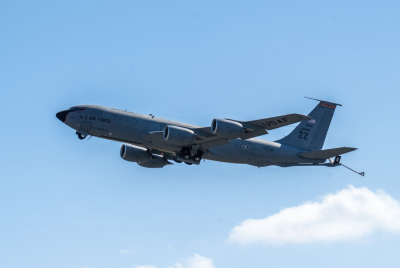
The Pentagon reported that air defence systems successfully intercepted the incoming projectiles, preventing injuries among US service members. Defence officials described the strike as an apparent attempt to catch American forces off guard during a period of diplomatic uncertainty.
Military commanders have since reviewed force protection measures across US facilities in the Middle East, while surveillance and defensive operations have reportedly been intensified throughout the region.
Joint US-Saudi Response Follows
Following the attempted strike, the United States and Saudi Arabia launched coordinated airstrikes against Iran-backed militia targets in Iraq, according to American and Saudi officials.
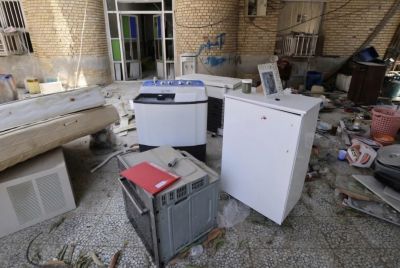
The operations were described as a response to a recent increase in missile and drone attacks attributed to Iranian-backed groups. Iraqi militia organisations reported casualties following the strikes, although casualty figures have not been independently verified.
The latest exchange highlights the increasingly complex nature of the conflict, with multiple regional actors becoming involved as tensions between Washington and Tehran continue to grow.
Diplomacy Faces Renewed Pressure
The attack occurred against the backdrop of ongoing diplomatic discussions involving the United States, Iran and several regional mediators.
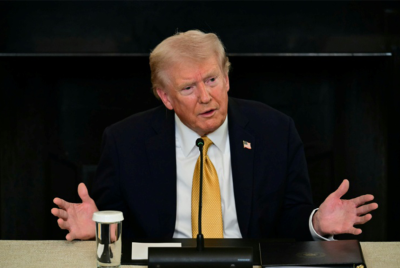
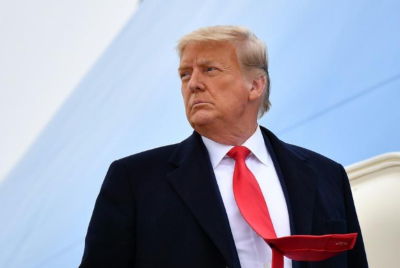
US President Donald Trump has continued to push for negotiations while warning that military action could resume if diplomatic efforts fail. Iranian officials have criticised American military operations in the region and have repeatedly argued that foreign military deployments contribute to instability.
Analysts say the attempted strike risks undermining recent efforts to reduce tensions, particularly as negotiations surrounding maritime security and the future of the Strait of Hormuz remain unresolved.
Regional Security Concerns Intensify
The latest incident has renewed concerns about the safety of US personnel and military installations across the Middle East.
Military experts note that ballistic missiles remain among the most difficult threats to defend against because of their speed and trajectory. The attack has also revived questions about the long-term sustainability of air defence operations as regional tensions continue to place pressure on interceptor stockpiles.
For now, American officials insist that defensive systems performed as intended and that military readiness remains high. However, with both military activity and diplomatic negotiations continuing simultaneously, the attempted strike has become another reminder of how quickly the situation in the Middle East can deteriorate.
© Copyright IBTimes 2026. All rights reserved.
- Recommended For You